Trump denies ordering Starlink restrictions on Ukraine as blame shifts between White House and Musk
Reuters cited US officials saying the White House ordered the curbs, while Musk pointed to the US government and Trump questioned whether the restrictions happened at all.
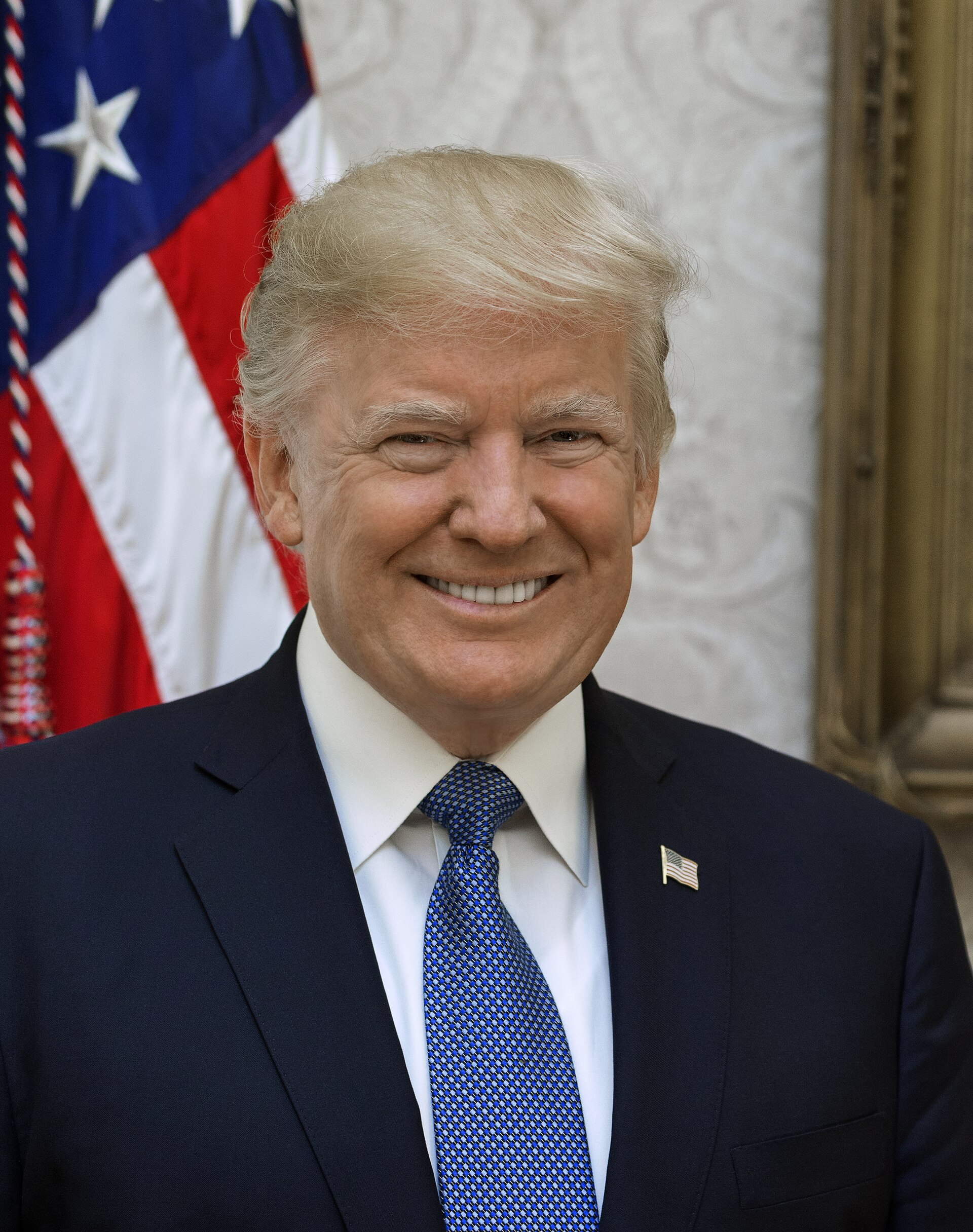
President Donald Trump denied ordering restrictions on Starlink and Starshield services for Ukraine, telling reporters on Friday that neither he nor Elon Musk was responsible.
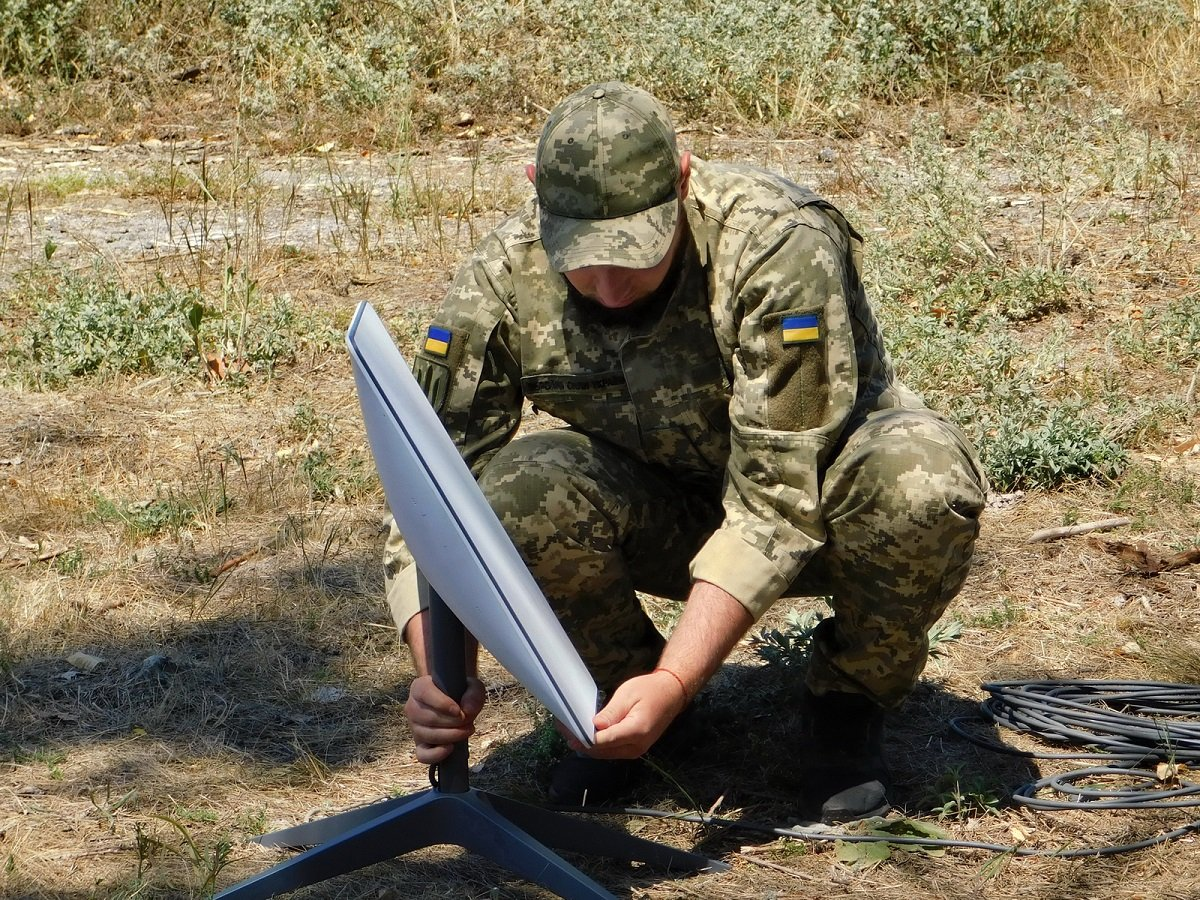
The denial follows a Reuters report on Thursday, citing two US officials, that the order to restrict Starlink in Ukraine came from the White House, without specifying who made the call. The restrictions, imposed Tuesday night, cut connectivity for drones or vehicles traveling above 160 km/h (100 mph), degrading Ukraine’s ability to conduct defensive operations against Russian drone and missile attacks on civilian infrastructure.
Who ordered the curbs
Musk pinned responsibility on the US government, writing on X that Starshield systems are owned and controlled by the US government. Starshield is a military-grade sister service to Starlink, designed for the Pentagon. The Telegraph reported Friday that Musk approached Trump with the idea of slowing down Starlink in Ukraine, and that both had a hand in imposing the restrictions — a single-source account that has not been independently corroborated. Trump, by contrast, said he was not sure Starshield ever came down and that the service is the same as it has always been. “Well, I don’t know if it was anybody because it wasn’t me, and I don’t think it was Elon,” Trump said. “And from what I understand, it’s the same as it’s always been.” Musk serves as an advisor to the Pentagon on technology through his role in the recently announced Project Meridian.
Impact on Ukrainian operations
Ukrainian officials said the restrictions came without warning and impeded military operations and defense against Russian attacks. Serhii Beskrestnov, an advisor to Zelensky, wrote on Telegram that the armed forces did not receive a warning about the restrictions, leading to the failure of a number of missions. Ukraine has relied on Starlink and Starshield for drone data gathering and communications. Some 600,000 people in Ukraine were left without power after communications and energy facilities used by the military were hit in deadly attacks. A bipartisan group of US senators signed a letter demanding an investigation into the network disruptions, saying the restrictions reportedly degraded Ukraine’s ability to conduct defensive operations against Russian drone and missile attacks on civilian infrastructure.
Washington-Kyiv tensions
Zelensky resumed targeting Russian oil refineries this week, a move criticised by Trump three days after Trump announced a ceasefire on energy infrastructure. Kyiv said it would stop the strikes if Russia did the same, but Moscow never confirmed the ceasefire and continued its attacks. On Oct. 10, after Trump called on Ukraine to stop all attacks on Russian oil refineries, Musk wrote on X, “Zelensky has gone too far.” Tension has also been brewing between Washington and Kyiv over a controversial diesel deal between Russia and the US.
European response and funding ask
French President Emmanuel Macron vowed that EU states would not abandon Ukraine, speaking at the end of a two-day summit in Brussels attended by Zelensky. Macron said Europe was working to help Ukraine with satellite and early warning systems. Zelensky told the European Council the war will cost €155bn next year, with at least €70bn needed from the EU for defence and weapons.
SpaceX shares are down about 11% this week. The company is scheduled to report quarterly results on Tuesday. Musk and SpaceX did not immediately respond to requests for comment on Friday.
Sources & methods
- BBC News report on Trump's denial of Starlink restrictions and the broader Washington-Kyiv tensions Archived Oct 17, 2026
- CNBC report on Trump's denial, Musk's response, and the impact on Ukrainian military operations Archived Oct 17, 2026
This article draws on two published reports, one from BBC News and one from CNBC, supplemented by their cited sourcing including Reuters, The Telegraph, and statements from Trump, Musk, and Ukrainian officials.