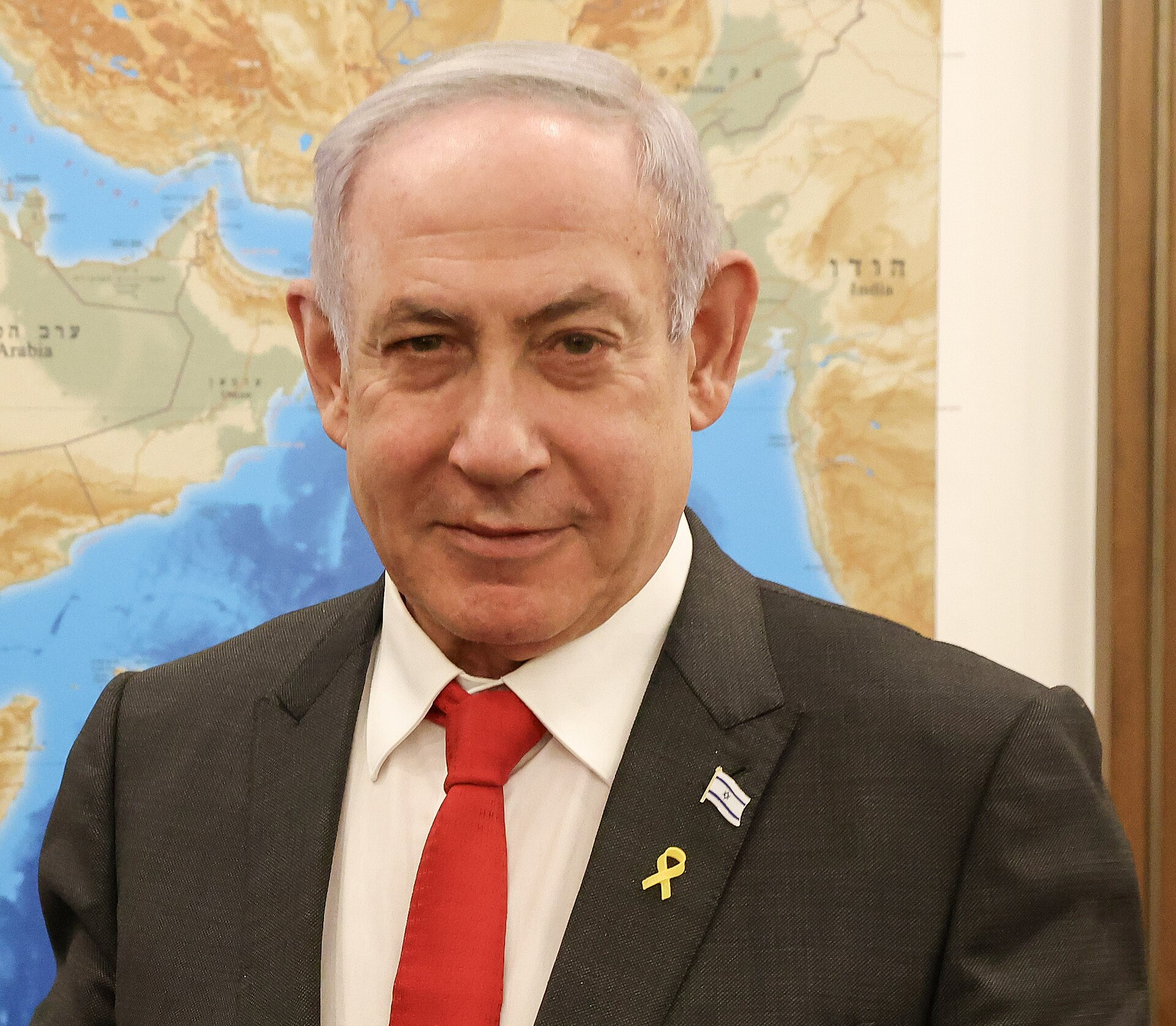
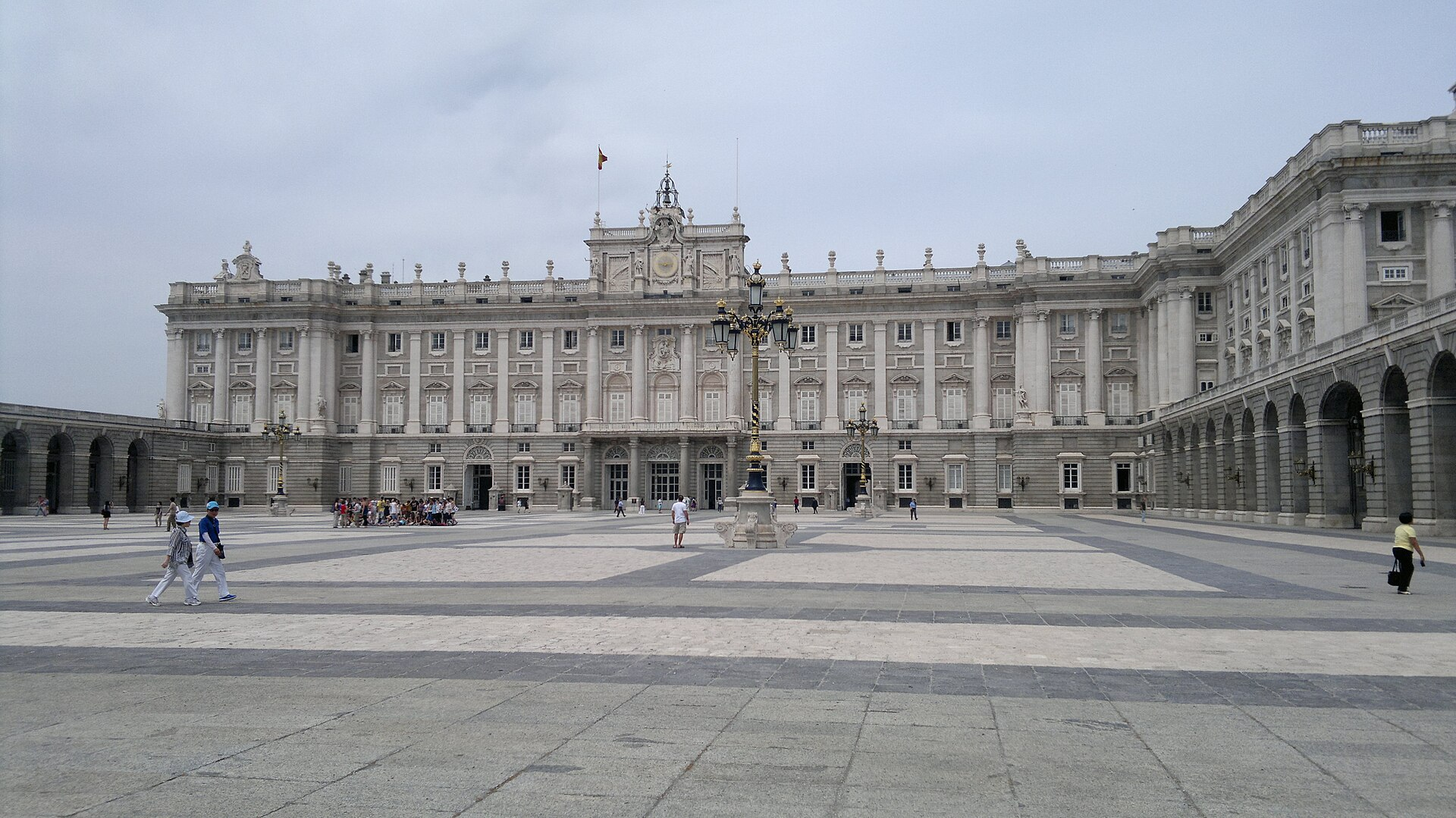
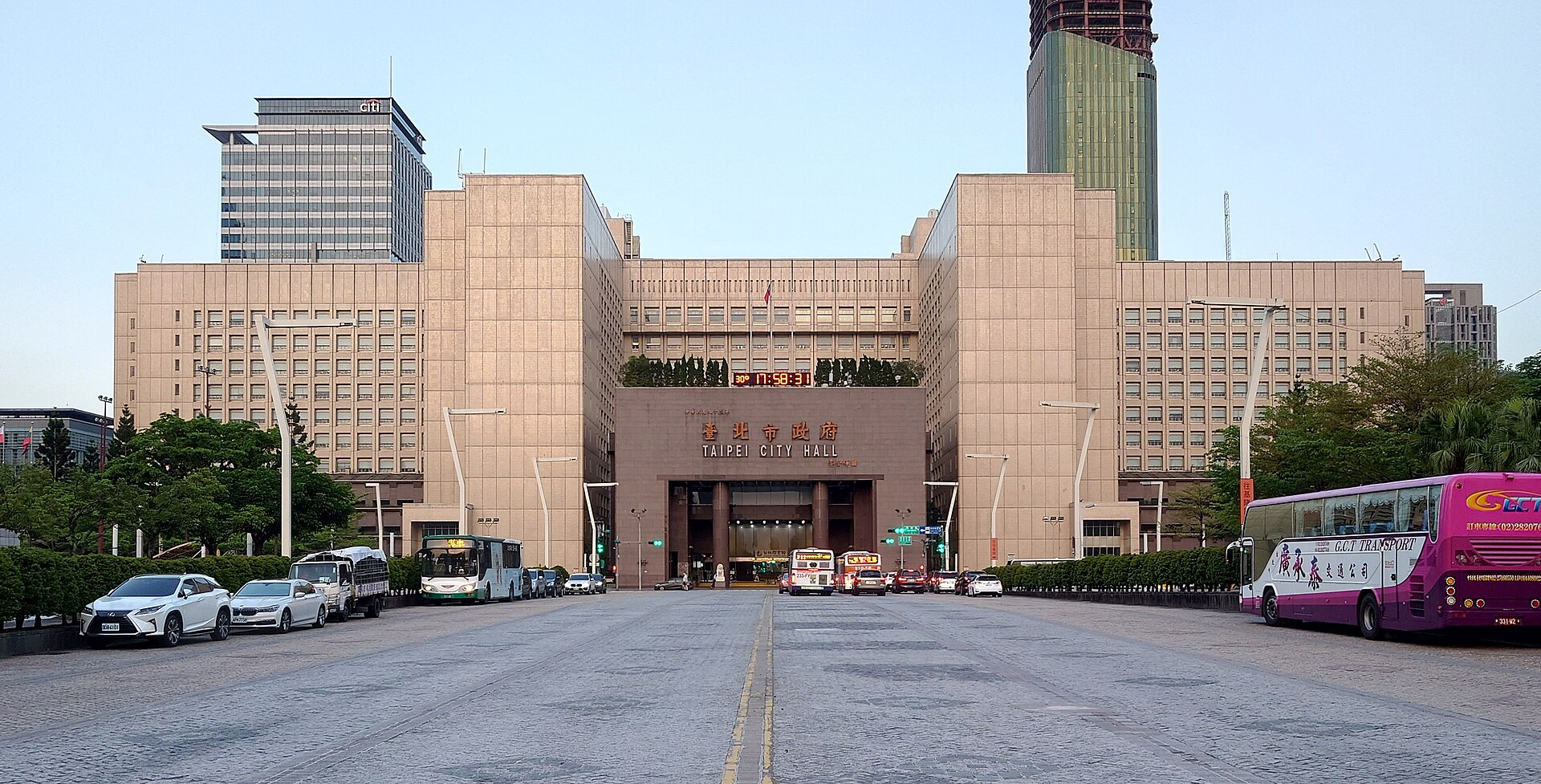
Trump, Putin and Xi issue joint ‘peace declaration’ at first trilateral summit, omitting Ukraine and Iran wars
The three leaders projected unity on nuclear risk, petroleum supply and UN reform on the APEC sidelines in Shenzhen, even as Russian drones struck Kyiv during the talks.
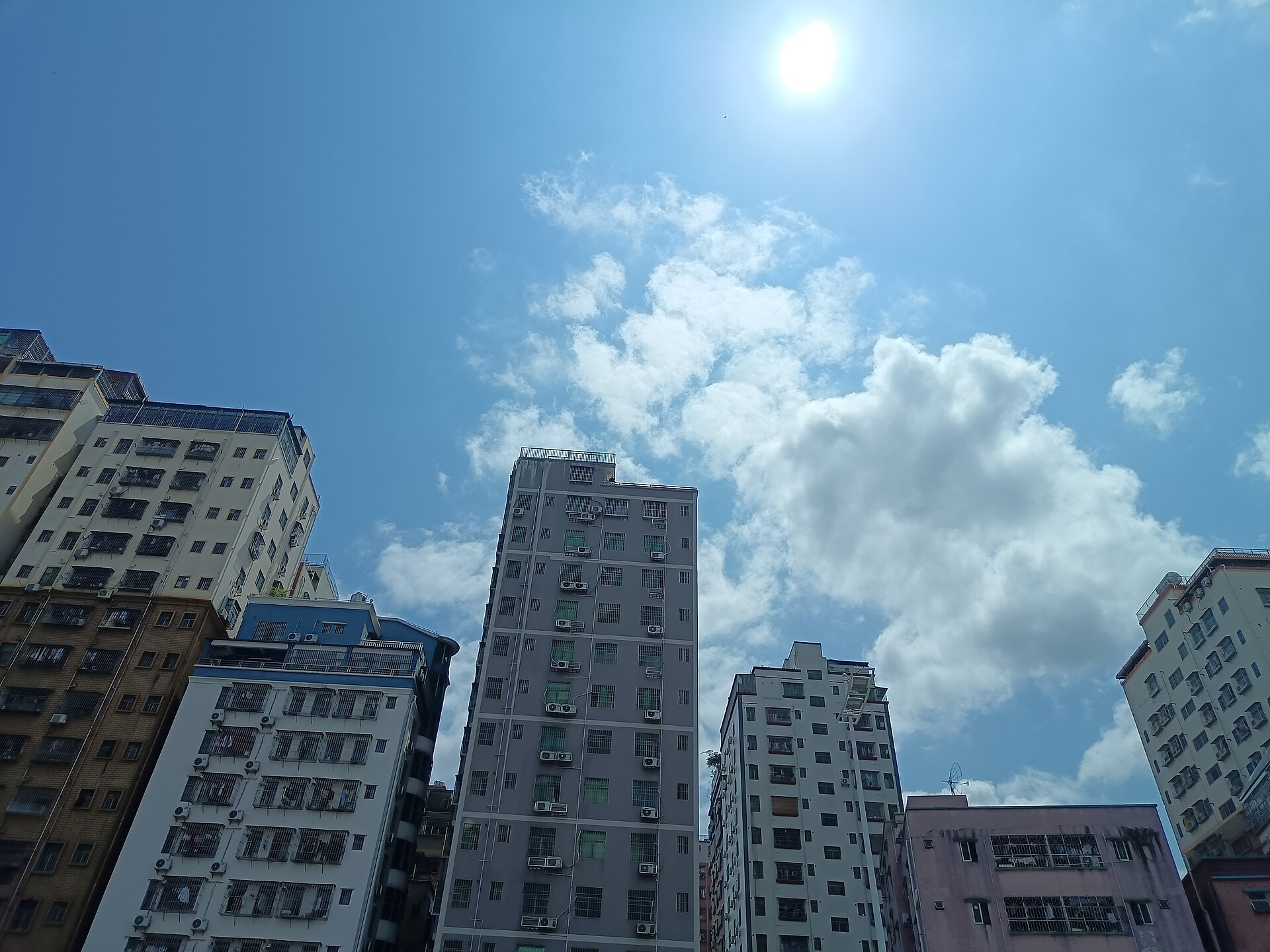
Donald Trump, Vladimir Putin and Xi Jinping issued a joint ‘peace declaration’ after their first-ever trilateral summit, held on the sidelines of APEC in Shenzhen. The declaration outlined shared commitments on nuclear risk, petroleum supply and UN reform, but made no mention of the wars in Ukraine or Iran.
The declaration affirmed that nuclear war cannot be won and must never be fought, according to the BBC’s rendering, while the Guardian quoted slightly different wording, saying a nuclear war cannot be won and must not be fought. The three countries committed themselves to maintaining strategic stability and international security, and said they planned to increase the production and supply of petroleum and refined petroleum products. They also pledged to reform the UN so it can respond more effectively to global challenges. The declaration said the International Criminal Court and other similar institutions must not abuse their jurisdiction, and it flagged the issue of immunity enjoyed by state officials, calling for the protection of diplomatic immunity.
The declaration made no mention of Ukraine or Iran, even as Kyiv was under attack from Russian drones while the talks were underway. According to the BBC, a Ukrainian missile and drone attack on Tuesday had destroyed the central road section of the bridge connecting Russia to occupied Crimea, and Putin vowed ‘far more painful’ retaliation for that strike. Putin compared the Shenzhen meeting to the 1945 Yalta Conference, telling reporters that ‘nobody divided up the world at Yalta’ and that it ‘simply codified the realities that had emerged after WW2.’ He added: ‘And when it comes to today’s conflicts, the realities on the ground will have to be accepted.’
Bilaterals and personal dynamics
Before the trilateral, Trump and Putin held a separate bilateral meeting, their first since August 2025, where Trump called Putin his ‘friend.’ Trump and Xi then held their own separate bilateral, their third this year, per the Guardian. Xi described the US-China relationship as ‘generally stable and positive,’ according to Chinese state media cited by the Guardian, but cautioned Washington over Taiwan, saying the US ‘must keep doing the right thing to avoid major setbacks in US-China relations.’ Xi also called for the two countries to ‘enhance communication and coordination to guard against security risks … and ensure that AI remains under human control at all times.’ Trump told both leaders: ‘We are really making history. No peace was ever forged by declining opportunities for engagement.’ Xi, in his opening remarks, said that ‘positive interaction among major powers is not a matter of choice, but a mandatory requirement.’ The duration of the trilateral talks is disputed: the BBC reported 90 minutes, while the Guardian said the talks lasted about one hour and 20 minutes.
Allies and lawmakers react
The Guardian reported that European allies expressed concern at Trump’s warmth toward Putin. Polish Prime Minister Donald Tusk said ‘Mr Putin is not our friend and will never be.’ Danish Prime Minister Mette Frederiksen said she found it ‘very incomprehensible’ that a US president would sit down with Putin. In Washington, according to the BBC, Republican Senator John Curtis said he was encouraged by the nuclear war commitments but warned that ‘Vladimir Putin and Xi Jinping are not our friends.’ Democratic Senator Jeanne Shaheen was blunter, saying ‘President Trump’s friend is a murderous war criminal.’
Analysts see symbolism over substance
Professor William Hurst of the University of Cambridge said ‘very little of substance seems to have been accomplished’ and that the summit was ‘all about the symbolism and prestige value.’ Hurst added: ‘This was no Yalta moment, but it was certainly a solid public demonstration of Russia’s (and Putin’s) continuing relevance and power.’ Yun Sun of the Stimson Center said the UN reform commitment was a favourite topic of China’s and showed Beijing ‘flexing its diplomatic muscles’ and setting the agenda. She said even the suggestion that China would engage on nuclear talks was significant. Patricia Kim of the Brookings Institution told the Guardian that the real test is whether the three countries follow through on nuclear risk reduction commitments, and that Beijing has little interest in brokering an actual peace agreement in Ukraine or resolving the Iran conflict. Shan Guo of Hutong Research, as reported by the Guardian, said the petroleum commitment was important but asked ‘now let’s see if the US will lift sanctions.’
The trilateral meeting was reportedly Putin’s idea, according to the BBC, and some Russian newspapers called the summit a diplomatic victory. The BBC reported that it marked the first time since the Ukraine war began in 2022 that Putin attended an international gathering with leaders from Canada, Japan, and Australia. Trump announced he would host a news conference at the White House on Friday to discuss the trip. Putin remains subject to an ICC arrest warrant, and China has officially remained neutral since the 2022 invasion of Ukraine.
Sources & methods
- BBC News, reporting on the trilateral summit in Shenzhen, the joint declaration, bilateral meetings, the Crimea bridge attack, Putin's Yalta comparison, and reactions from US lawmakers including Senators John Curtis and Jeanne Shaheen Archived Nov 19, 2026
- The Guardian, reporting on the declaration's contents, European allied reactions from Polish PM Donald Tusk and Danish PM Mette Frederiksen, analyst commentary from Prof William Hurst, Yun Sun, Patricia Kim and Shan Guo, and details of the Trump-Xi bilateral including Xi's remarks on Taiwan and AI Archived Nov 19, 2026
- Al Jazeera, Inside Story segment on the Shenzhen summit and the 'Peace Declaration' Archived Nov 19, 2026
This article draws on reporting from the BBC (Source 1), The Guardian (Source 2) and Al Jazeera (Source 3). The BBC provided details on the Crimea bridge attack, Putin’s Yalta comparison and press conference remarks, US lawmaker reactions, and the summit’s diplomatic context, including Putin’s role in initiating the meeting. The Guardian supplied the declaration’s specific commitments, European allied reactions, analyst commentary from Hurst, Yun Sun, Kim and Shan Guo, and details of the Trump-Xi bilateral. Where the two outlets differ, both are cited. Disputed details include the duration of the talks and the exact wording of the nuclear war clause.