Trump rejects Iran’s plan to reopen the Strait of Hormuz, leaving the diplomatic channel to mediators
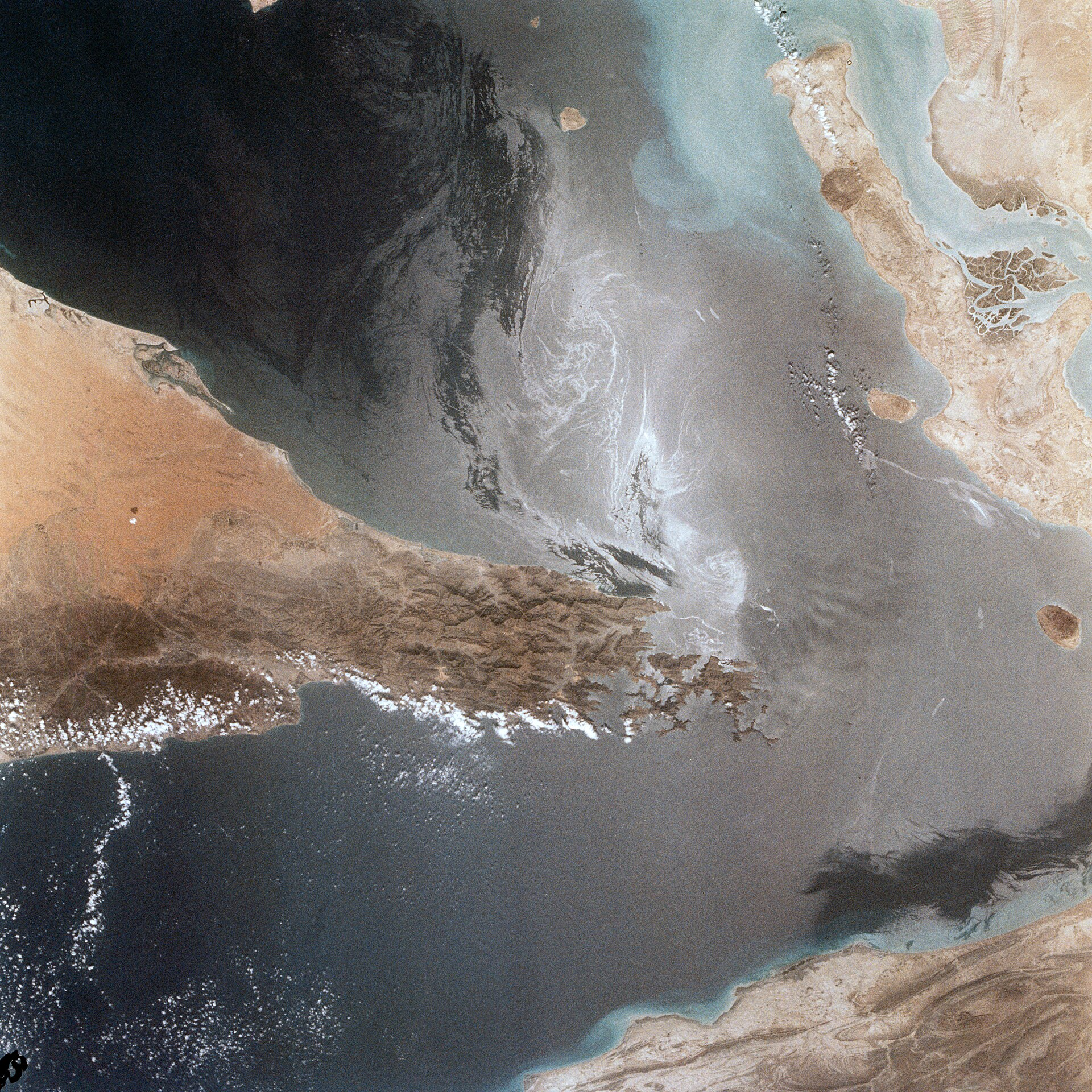
President Trump dismissed an Iranian proposal to reopen the strait under conditions tied to a collapsed June ceasefire agreement, while Tehran’s foreign minister said Iran would await mediators’ definitive response before deciding its next move.
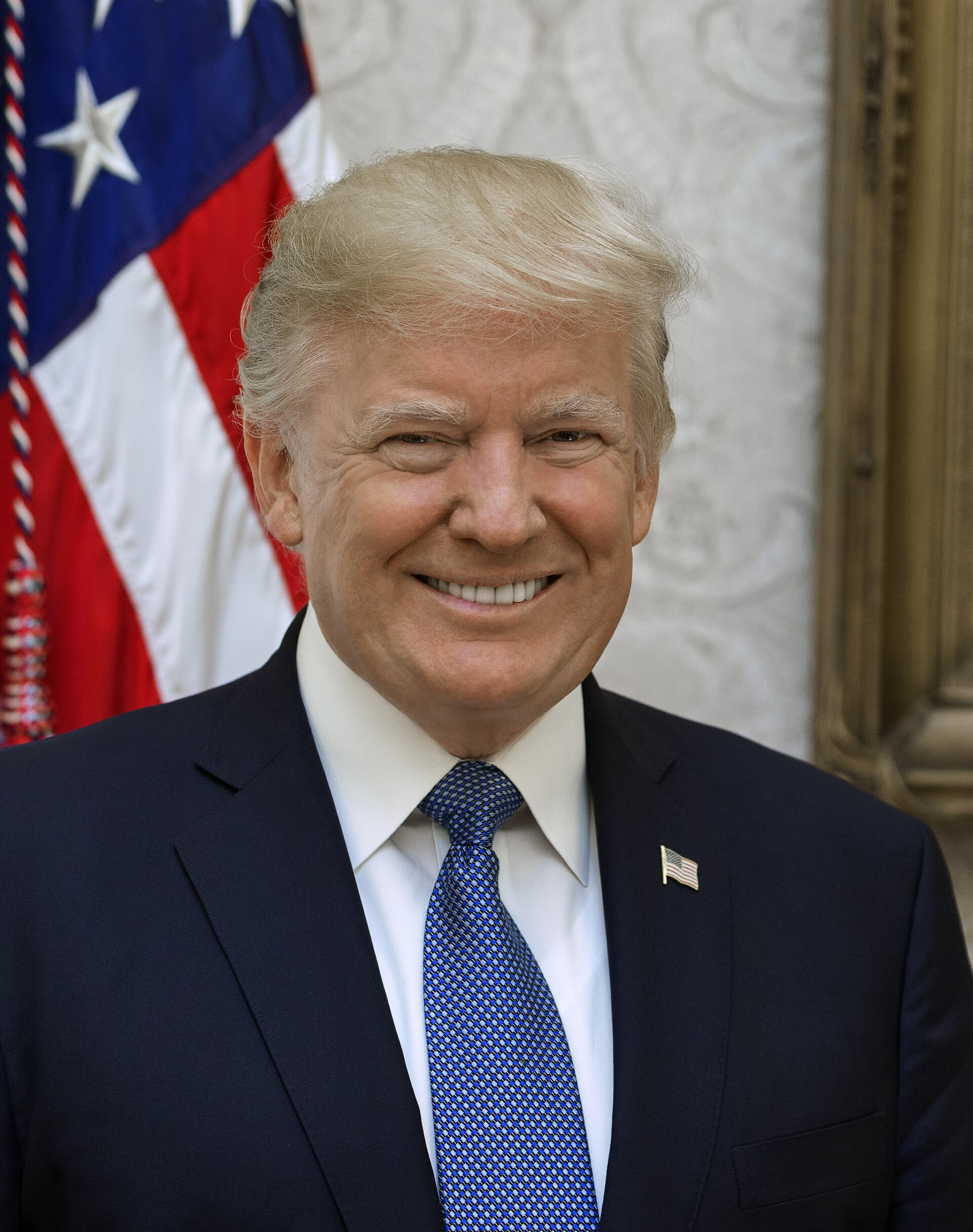
Speaking to reporters at the White House on Saturday, President Trump rejected Iran’s proposal to reopen the Strait of Hormuz and said the deal ‘would not be acceptable.’
Iranian Foreign Minister Abbas Araghchi proposed reopening the strait within seven days if conditions are met, outlining the plan on the sidelines of the UN General Assembly in New York. Iran conveyed the proposal to the United States through Qatar. Araghchi said the actions the US should take are already in the memorandum of understanding signed by both countries, and that the choice now rests with the United States. He said the US commitments are not new and that Iran sees no difficulty in implementing them.
The June memorandum and its collapse
The proposal is tied to a 14-point memorandum of understanding signed by the US and Iran in June. The MOU would have temporarily ended fighting and restarted ceasefire talks. Under its terms, Iran received relief from a US naval blockade, while the US eased sanctions and freed frozen Iranian assets. In return, Iran promised not to seek a nuclear weapon and said it would reopen the strait. The agreement collapsed after disputes over vague wording, including language related to who would control the strait. Both sides resumed strikes. Iran closed the strait after the US and Israel attacked Iran beginning on Feb. 28. Since then, Iran has attacked vessels it says attempted to cross the strait without authorization, while the US has attacked Iranian sites in the strait and Iranian tankers off the country’s coast, maintaining a blockade of Iranian ports.
Trump’s public and private posture
Trump said Iran wants to make a deal to open the strait immediately because they are ‘losing so badly.’ He claimed the US already had ‘total control’ of the strait, with ‘massive amounts of oil’ passing through it. The Wall Street Journal reported that Trump privately told staff he sees a renewed bombing campaign as likely, citing unnamed officials. Trump told aides he expects to resume bombing Iran after November’s midterm elections. Kirsten Fontenrose, who served on the National Security Council during the first Trump administration, said there was no appetite for restarting the MOU conversation as it is seen as a bad deal in the US.
Tehran waits for mediators
Araghchi acknowledged Trump’s comments in a post on Telegram but said Tehran would wait for an official response from mediators. He said he would await the ‘definitive views’ of mediators and that Tehran ‘will make a decision based on that.’ Araghchi also wrote that Trump ‘has made many good statements, as well as many contradictory ones, which unfortunately we hear frequently.’ President Masoud Pezeshkian said if the US agrees to proceed based on the MOU, everything will return to the way it was before. He said the US needs to show it does not intend to overthrow Iran’s government. Pezeshkian said if the US accepts the proposal, Iran would allow UN nuclear inspectors to enter the country.
Oil markets and shipping disruption
The strait, through which around a fifth of the world’s gas and oil supply usually flows, has been effectively closed since the outbreak of war in February. Shipping data shows a recent 10-day average of about 18 transits per day, dropping as low as nine vessels on certain days, per Kpler cited by Reuters. West Texas Intermediate dropped 2.3% to close at $92.41 per barrel. Brent declined 2.1% to settle at $104.32. US crude finished the week 7.9% lower. Brent was flat. WTI is up nearly 61% year to date, while Brent is more than 71% higher.
Regional spillover
Iran-backed Houthi rebels in Yemen have stepped up attacks on Saudi Arabia. The Saudi-led coalition intercepted two drones launched towards Riyadh and two ballistic missiles aimed at the Khamis Mushait region. The Houthis said last Saturday they had attacked ‘sensitive’ sites in Riyadh after flames and smoke were seen near the city’s main airport. Saudi Arabia said earlier this month its air defenses destroyed a Houthi drone headed for Mecca, a claim the Houthis denied. The BBC reported that the Houthis have seized strategic stretches of Yemen’s Red Sea coast, including the port of Mokha overlooking the Bab al-Mandab Strait.
A US official quoted by the Wall Street Journal said Washington and Tehran were still negotiating through mediators, including over US demands to prevent Iran from developing a nuclear weapon. Tehran’s conditions include a halt to what it calls US ‘acts of aggression,’ an end to the naval blockade and economic warfare, and the release of Iranian assets, per foreign ministry spokesman Esmaeil Baghaei.
Sources & methods
- BBC News, reporting on Trump's rejection, Araghchi's statements, the MOU, shipping data, and Houthi attacks Archived Sep 26, 2026
- NPR, reporting on Trump's remarks, Araghchi's proposal conveyed through Qatar, MOU details, and Pezeshkian's CBS interview Archived Sep 26, 2026
- CNBC citing Wall Street Journal, reporting on Trump's private remarks to aides, oil market prices, Houthi attacks, and ongoing mediation Archived Sep 26, 2026
This article draws on three published news reports from BBC News, NPR, and CNBC citing Wall Street Journal reporting, covering President Trump’s public remarks, statements by Iranian officials, shipping data from Kpler cited by Reuters, and oil market pricing data.