Trump rejects Iran’s seven-day plan to reopen the Strait of Hormuz, privately telling aides he expects to resume bombing after the midterms
The rejection leaves the seven-month war without a diplomatic off-ramp, with Iran warning the choice now rests with Washington.
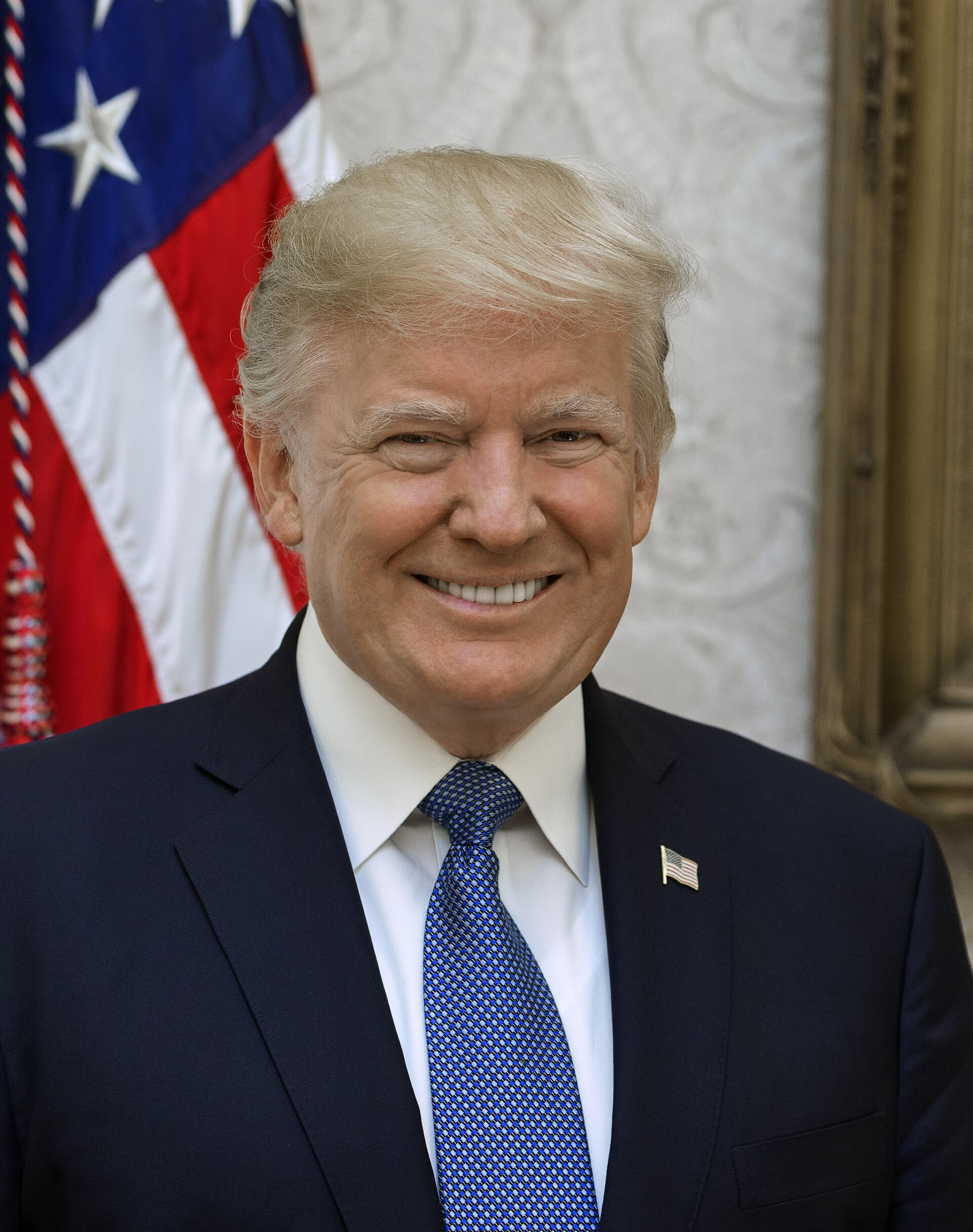
President Donald Trump has rejected Iran’s proposal to reopen the Strait of Hormuz within seven days, dismissing an offer that Iranian Foreign Minister Abbas Araghchi made to reporters on the sidelines of the UN General Assembly in New York on Friday.
The Wall Street Journal reported that Trump is privately skeptical Iran would meet his demands and has told staff he sees a renewed bombing campaign as likely. Trump told aides he expects to resume bombing Iran after November’s midterm elections, according to the newspaper. He said earlier this month that he expects the war to end shortly after the midterms.
Trump told reporters at the White House that Tehran wants to make a deal to open the strait immediately because they’re losing so badly. He asserted that the US already had “total control” of the strait, with “massive amounts of oil” passing through it — a claim that contradicts shipping data showing transits dropping as low as nine vessels on certain days. On Friday evening, Trump posted on Truth Social a graphic showing a map with the strait renamed as the “Trump Strait.”
Iran’s seven-day plan
Araghchi detailed a seven-day timeline to reporters outside the UN Security Council. Initial steps would take four to five days to complete, the strait would be opened on the sixth day, and nuclear talks would start on the seventh day, he said. The plan would include a protocol to allow UN nuclear inspectors back in to look at Iran’s damaged sites and the stockpile of highly enriched uranium. Iran conveyed the seven-day plan to the United States through Qatar as mediators. “If there is seriousness on the US side to come to a deal and reopen the strait of Hormuz, everything is now prepared,” Araghchi said. He added that the choice now rests with the United States.
Iran’s conditions include an end to the US naval blockade and economic warfare. Iran wants the US to permit the release of some frozen assets, restore the waiver that lifted sanctions on Iran’s oil exports, and observe a ceasefire on all fronts. That ceasefire would involve the US president convincing Israel to end its attacks on Iran-backed Hezbollah in Lebanon. The US has maintained a naval blockade of Iranian ports, causing disruption to the Iranian economy, while the seven-month-old conflict has disrupted oil flows through one of the world’s most critical shipping lanes.
Iranian President Masoud Pezeshkian said Iran has not walked away from the negotiating table but no longer trusts the United States. In an interview with CBS News, Pezeshkian referenced the MOU signed in Pakistan in June, which he said was designed to bring about a ceasefire and at least partly reopen the strait. The 14-point agreement said Iran would never have a nuclear weapon. The deal fell apart after both sides resumed strikes. Kirsten Fontenrose, who served on the National Security Council during the first Trump administration, said there is no appetite for restarting the conversation around the MOU as it is seen as a bad deal in the US.
War and regional escalation
The war began on February 28 with US and Israeli airstrikes on Iran. Iran responded by attacking Israel and US bases in the Gulf and blocking the strait. The Strait of Hormuz has been effectively closed since February. Shipping data shows a recent 10-day average of about 18 transits per day, with numbers dropping as low as nine vessels on certain days, according to Kpler cited by Reuters. The strait usually carries around a fifth of the world’s gas and oil supply.
Iran-backed Houthi rebels in Yemen have stepped up attacks on Saudi Arabia. Houthis seized strategic stretches of Yemen’s Red Sea coast this month, including the port of Mokha, which overlooks the Bab al-Mandab Strait. The Saudi-led coalition intercepted two ballistic missiles and drones launched towards Saudi Arabia. The Houthis said they attacked sensitive sites in Riyadh. Saudi Arabia said its air defenses destroyed a Houthi drone headed for Mecca, a claim the group denied. The Guardian reported that Iranian-aligned militias in Iraq were blamed for a pipeline attack that temporarily took more Saudi oil off the market. According to the BBC, US media report Saudi leadership has requested military support from Trump.
Oil markets respond
The conflict has disrupted oil flows and sent energy prices soaring. West Texas Intermediate dropped 2.3% to close at $92.41 per barrel, while Brent declined 2.1% to settle at $104.32. US crude finished the week 7.9% lower, while Brent was flat. WTI is up nearly 61% year to date, and Brent is more than 71% higher over the same period.
Sources & methods
- BBC News, reporting on Trump's rejection of Iran's proposal, the MOU, shipping data, and regional escalation. Archived Sep 26, 2026
- CNBC, citing the Wall Street Journal on Trump's private skepticism and reporting on Houthi attacks and oil market movements. Archived Sep 26, 2026
- The Guardian, reporting on the seven-day plan details, Qatar's mediation role, Pezeshkian's remarks, and the Truth Social post. Archived Sep 26, 2026
This article draws on reporting from BBC News, CNBC, and The Guardian, all published September 26, 2026, corroborating facts across at least two sources where noted. Single-source facts are attributed accordingly. The Wall Street Journal is cited via CNBC and The Guardian for Trump’s private remarks to aides.