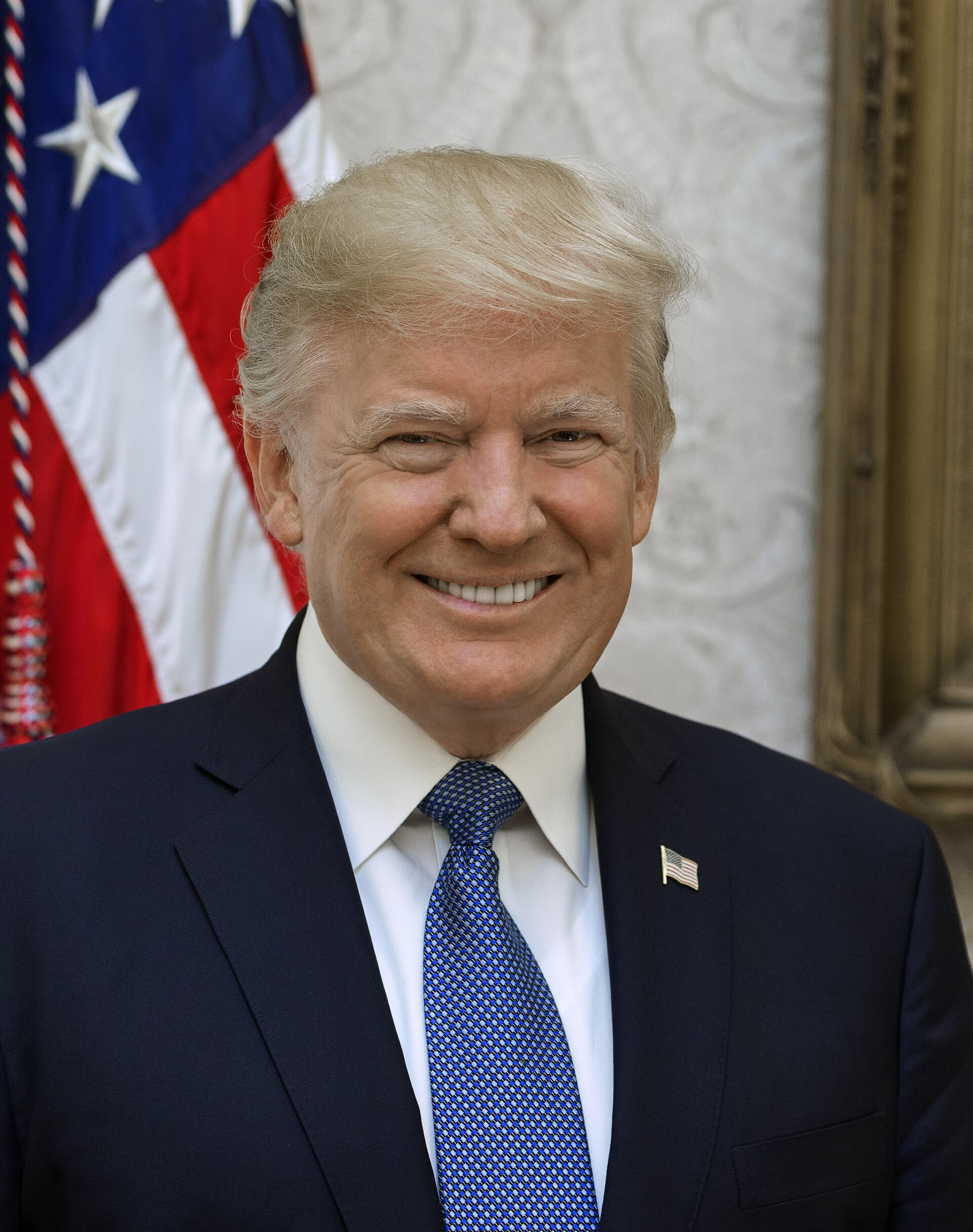
Trump rejects Iran’s seven-day proposal to reopen Strait of Hormuz, eyes post-election bombing
The rejection leaves the seven-month conflict at a stalemate as Iran frames the next move as Washington’s and Trump signals military escalation is the more likely course after November.
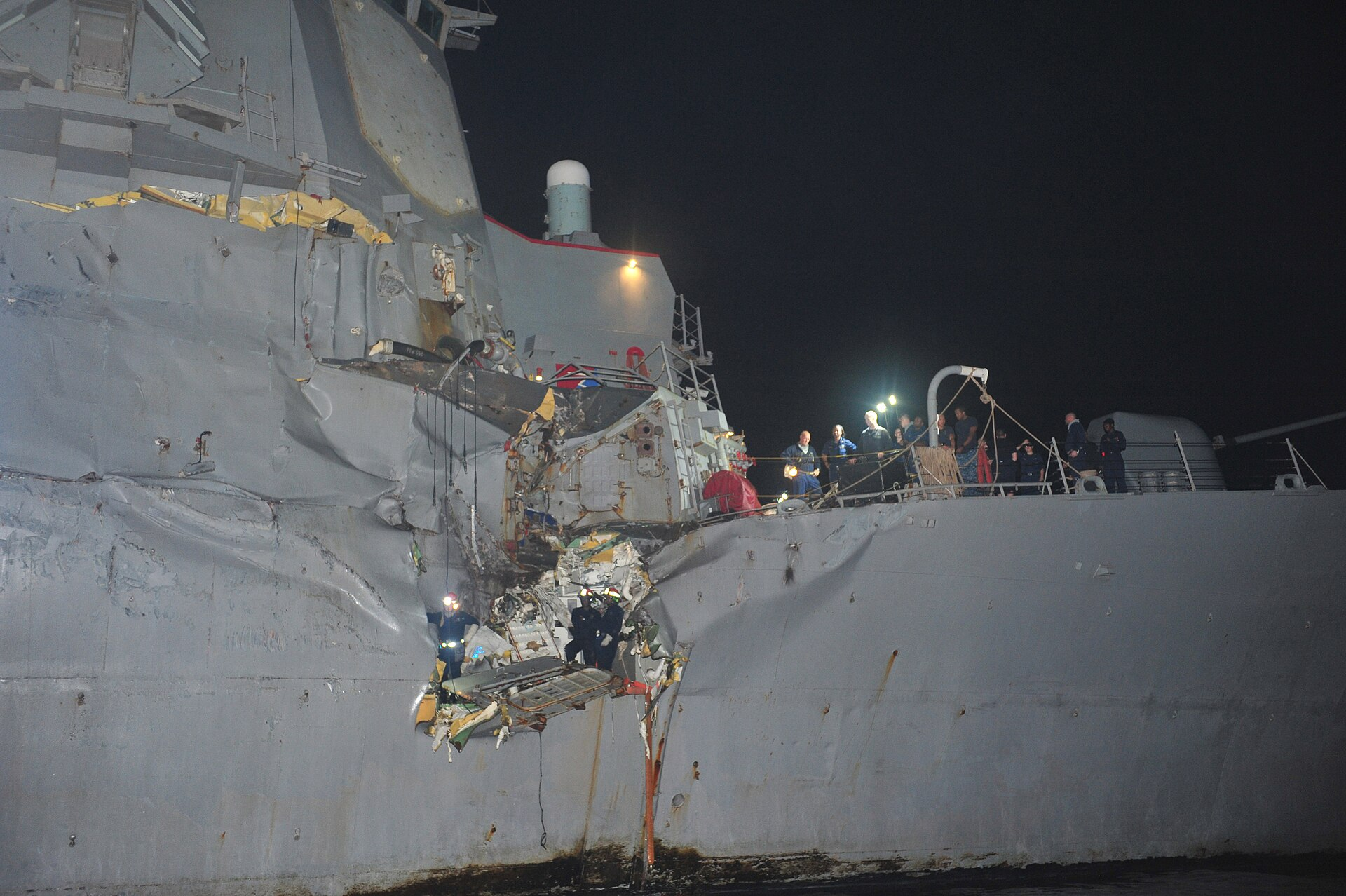
Iran proposed a seven-day deal to reopen the Strait of Hormuz via Qatar. Trump rejected it. The Wall Street Journal, citing unnamed US officials, reported the rejection, and Trump has separately told aides he expects to resume bombing Iran after the November midterm elections.
Iranian Foreign Minister Abbas Araghchi detailed the proposal to reporters at the UN in New York, where Qatar has been acting as an intermediary between the two sides. “If there is seriousness on the US side to come to a deal and reopen the strait of Hormuz, everything is now prepared,” he said. The choice now rests with the United States, Araghchi declared, adding that Iran does not accept coercion, threats, or intimidation.
The seven-day plan
The timeline is precise. Initial steps would take about four to five days, the strait would open on the sixth day, and nuclear talks would start on the seventh day. The plan references a memorandum of understanding signed in June between the US and Iran, which was designed to bring about a ceasefire and at least partly reopen the Strait of Hormuz. It calls for releasing $12bn in frozen Iranian assets, lifting Iranian oil sanctions, and ending the US naval blockade of Iranian ports. The proposal also includes a protocol for UN nuclear inspectors to examine Iran’s damaged sites and the stockpile of highly enriched uranium. Pezeshkian said Iran would allow UN nuclear inspectors into the country.
Trump’s rejection and post-election calculus
According to the Journal, Trump quickly ruled out the proposal. He was privately sceptical. Iran would not meet his demands, he believed, and he told aides he expects to resume bombing after the November midterm elections. During his speech at the UN General Assembly this week, he threatened to “annihilate” Iran. A US official described discussions with Iran through mediators as positive and constructive, saying the US sees itself in a strong position and is not in a rush. US special envoys Jared Kushner and Steve Witkoff held mediated discussions with Iranian counterparts in New York earlier in the week.
A seven-month conflict and a choked waterway
The conflict began on 28 February. The US and Israel launched air strikes on Iran, and Iran responded by attacking Israel, US bases in the Gulf, and blocking the strait. A memorandum of understanding signed in June — a 14-point agreement — fell apart shortly after when both sides resumed strikes. The strait carried about one-fifth of global oil and liquefied natural gas during peacetime, and its closure has caused fluctuations in energy prices. Shipping data shows a recent 10-day average of about 18 transits per day through the strait, with daily numbers dropping as low as nine vessels on certain days, according to Kpler cited by Reuters. The US has maintained a naval blockade of Iranian ports, causing disruption to the Iranian economy. The seven-month conflict has killed thousands, degraded Iran’s conventional forces, and damaged its economy.
Regional spillover and Saudi unease
Saudi Arabia is concerned. The route deal is bilateral between Iran and Oman, not with Gulf states as joint signatories, and the reopened strait route would predominantly go through Iranian waters. According to BBC, Yemen’s Houthis seized large stretches of the Red Sea coast in a rapid offensive this month, including the port of Mokha overlooking the Bab al-Mandab Strait. The Saudi-led coalition in Yemen said it intercepted two ballistic missiles and drones launched by Houthis towards Saudi Arabia on Saturday, BBC reported. US media reported that Saudi Crown Prince Mohammed bin Salman requested military support from Trump. The Guardian reported that Iranian-aligned militias in Iraq were blamed for a pipeline attack that temporarily took more Saudi oil off the market. Araghchi said all hostilities, including in Lebanon, must cease during the seven-day period.
Scepticism on both sides
There is enormous scepticism in Washington. The two countries are not on the same page, said Thomas Warrick, senior fellow at the Atlantic Council. Paul Musgrave, associate professor at Georgetown University in Qatar, said Trump doesn’t want to end the war on unfavourable terms and election results will likely steer his policy. If Republicans suffer severe setbacks, Musgrave said, Trump may opt for unilateral actions including resumption of warfare. On the Iranian side, there are questions about whether hardliners who dominate security forces would accept compromises championed by moderates such as Pezeshkian. Pezeshkian met with UN Secretary General António Guterres and said Iran no longer trusts the United States.
Sources & methods
- BBC News, reporting on Iran's seven-day proposal, Araghchi's statements at the UN, the June MOU, shipping data from Kpler via Reuters, and Houthi attacks Archived Sep 26, 2026
- Al Jazeera, reporting on Trump's rejection per Wall Street Journal, the proposal's conditions including $12bn asset release, analyst commentary from Warrick and Musgrave, and mediated discussions Archived Sep 26, 2026
- The Guardian, reporting on the seven-day timeline, inspection protocol for damaged nuclear sites, Saudi concerns about the bilateral route deal, and Pezeshkian's meeting with Guterres Archived Sep 26, 2026
This article draws on reporting from the Wall Street Journal, BBC News, Al Jazeera, and The Guardian, including statements by Iranian Foreign Minister Abbas Araghchi and President Masoud Pezeshkian, US officials cited anonymously, and shipping data from Kpler cited by Reuters.