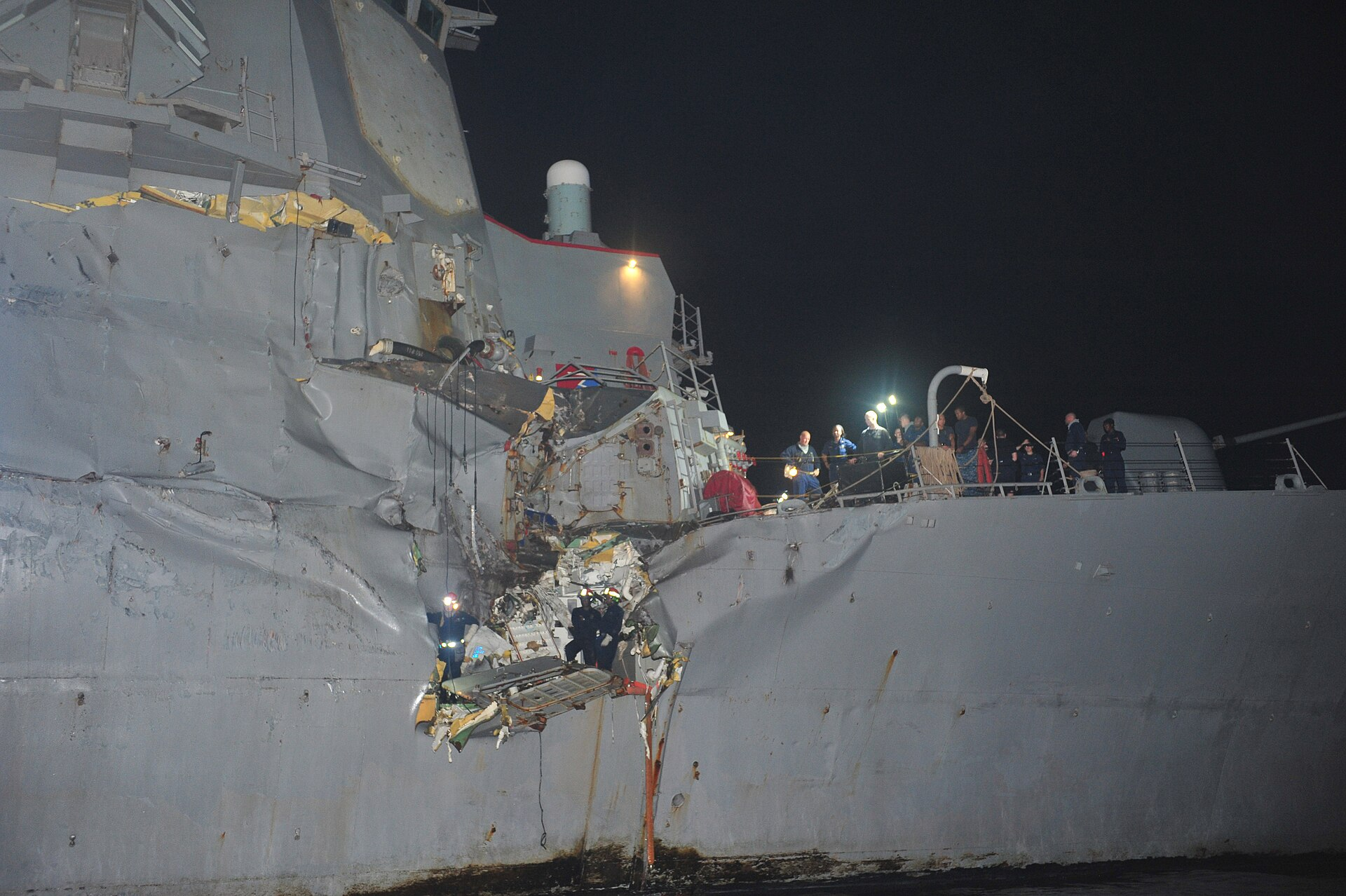
Trump rejects Iran’s Strait of Hormuz proposal as bad-faith bargaining while Tehran warns it is ready for ‘doomsday war’ yet keeps diplomacy alive
With both sides claiming the upper hand in a war that began Feb. 28, Washington dismisses Tehran’s conditions as a non-starter and Tehran says only a negotiated solution can break the deadlock, leaving oil markets and mediators in limbo.
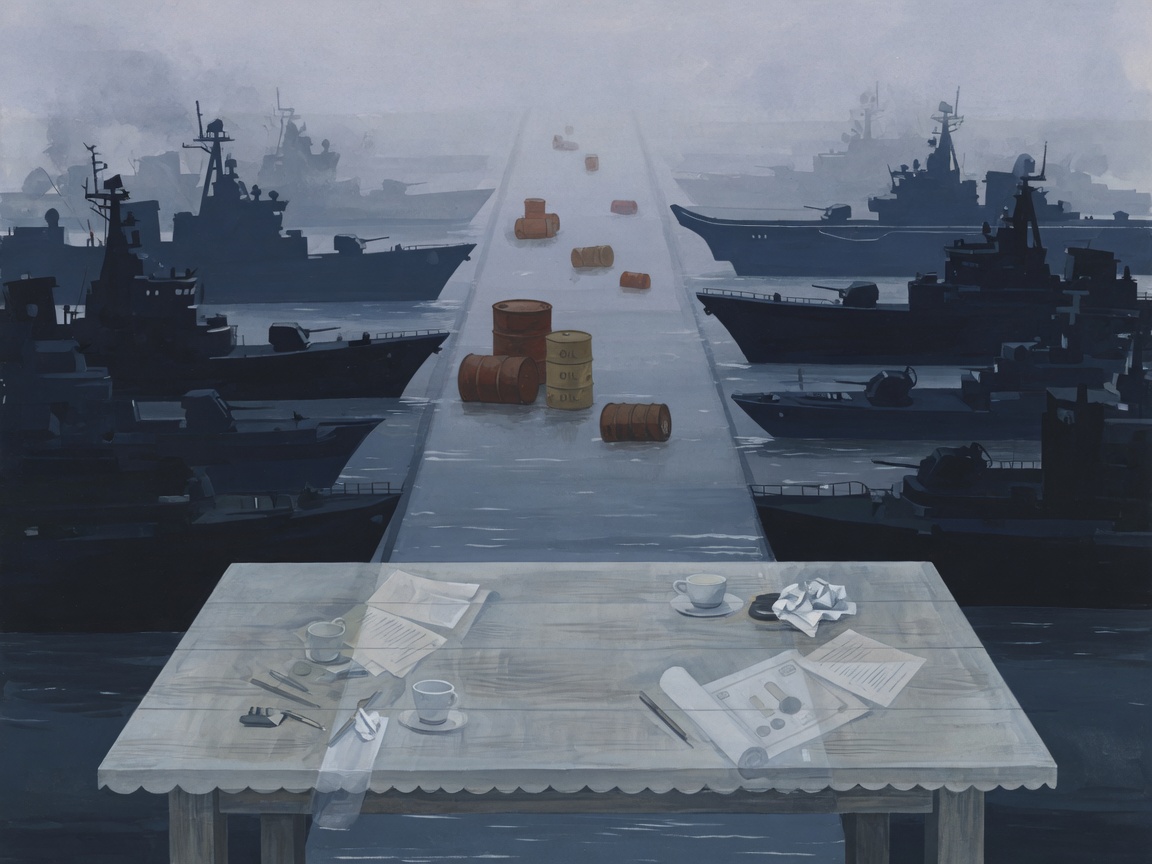
President Donald Trump rejected Iran’s proposal to reopen the Strait of Hormuz, dismissing an offer made at the recent UN General Assembly in New York as a product of desperation rather than genuine diplomacy.
Trump said Iran wants a deal because it is losing badly. “They want to make a deal to open the Hormuz strait immediately because they’re losing so badly,” he said Saturday. He told Axios the offer was not the deal he wanted, adding, “They overplayed their hand.” Trump said the US was “winning tremendously” and had “total control of the Hormuz strait.” UN Ambassador Mike Waltz said Iran was not negotiating in good faith. “They were asking for everything up front with a promise that they would then talk,” Waltz told CNN’s State of the Union on Sunday. “The president is just not confident that the Iranians are coming in good faith and that we will truly negotiate the end of their nuclear program.”
Iranian Foreign Minister Abbas Araghchi appeared on NBC’s Meet the Press, where he said Iran is prepared for war but has not abandoned diplomacy. Araghchi on Friday proposed reopening the strait and resuming nuclear talks within seven days if Trump accepts Iran’s conditions. He said intermediaries have yet to relay a formal response from Trump to Tehran. “Only a negotiated solution can break this deadlock,” he said. “If you ask us, there is no reason why we should go back to diplomacy, but I am still trying diplomacy because I think we shouldn’t miss any chance for peace,” Araghchi said. “We are ready to negotiate as much as we are ready to face any challenge ... We stand firm in the face of any aggression against us, even if it comes to a doomsday war.”
Iran’s terms and military posture
Iran’s conditions include a halt to U.S. acts of aggression, an end to the naval blockade and economic warfare, and the release of Iranian assets. The US-Iran war began on Feb. 28 with US and Israeli air strikes on Iran. Army commander-in-chief Amir Hatami said the war is not over and that Iran has won but must consolidate victory. The IRGC claimed on Sunday, via the Tasnim News Agency, to have captured an American underwater drone in the Strait of Hormuz, described as a Remus 600 UUV. US Central Command did not immediately respond to a request for comment.
Oil markets ease on diplomatic signals
Crude prices posted a sharp drop for the week as Tehran and Washington held discussions on the sidelines of the UNGA. WTI dropped 2.3% to close at $92.41 per barrel. Brent declined 2.1% to settle at $104.32. US crude finished the week 7.9% lower while Brent was flat. WTI is up nearly 61% year to date, and Brent is more than 71% higher over the same period. The war has caused a global oil shock that has spiked gas prices and fanned inflation.
A history of failed frameworks
Waltz referenced a failed US-Iran MOU signed in Pakistan in June that laid out a 14-point framework agreement. He said Iran immediately violated the MOU by attacking international shipping, and 146 nations joined the US in condemning Iran. Iranian President Masoud Pezeshkian said Iran is ready for talks but will not accept bullying or coercion. Pezeshkian said Iran had already agreed it is not supposed to develop nuclear weapons.
Bombing report and the China factor
The Wall Street Journal reported Trump said he expected to resume bombing Tehran after the U.S. midterm elections in November. Waltz also addressed reports that China assisted Iran in missile targeting of shipping and US military bases, though he did not confirm the leaked intelligence assessments. He said Trump raised the China issue with Xi Jinping during Xi’s recent state visit to Washington DC and multiple times previously, including during Trump’s visit to China in May. Waltz said the US and China agreed that Iran can never have a nuclear weapon.
Sources & methods
- Al Jazeera Inside Story segment on Trump's rejection of Iran's peace proposal, published Sep. 27, 2026 Archived Sep 27, 2026
- The Guardian report on UN Ambassador Waltz's comments and Trump's rejection of Iran's proposal, Sep. 27, 2026 Archived Sep 27, 2026
- CNBC report on Araghchi's Meet the Press appearance, IRGC drone claim, and oil market data, Sep. 27, 2026 Archived Sep 27, 2026
Reporting based on broadcast interviews aired Sep. 27 on CNN, NBC, and CBS; statements by Trump on Saturday and to Axios; social media posts by Araghchi; Tasnim News Agency and Iranian Student News Agency reports; and oil market closing data.