Trump says Musk restored Ukraine’s Starlink access, but Zelensky says speeds remain capped
A reported phone call between Trump and Musk lifted restrictions on Ukraine’s satellite network, though Kyiv says full speed has not returned and lawmakers want to know who ordered the slowdown.

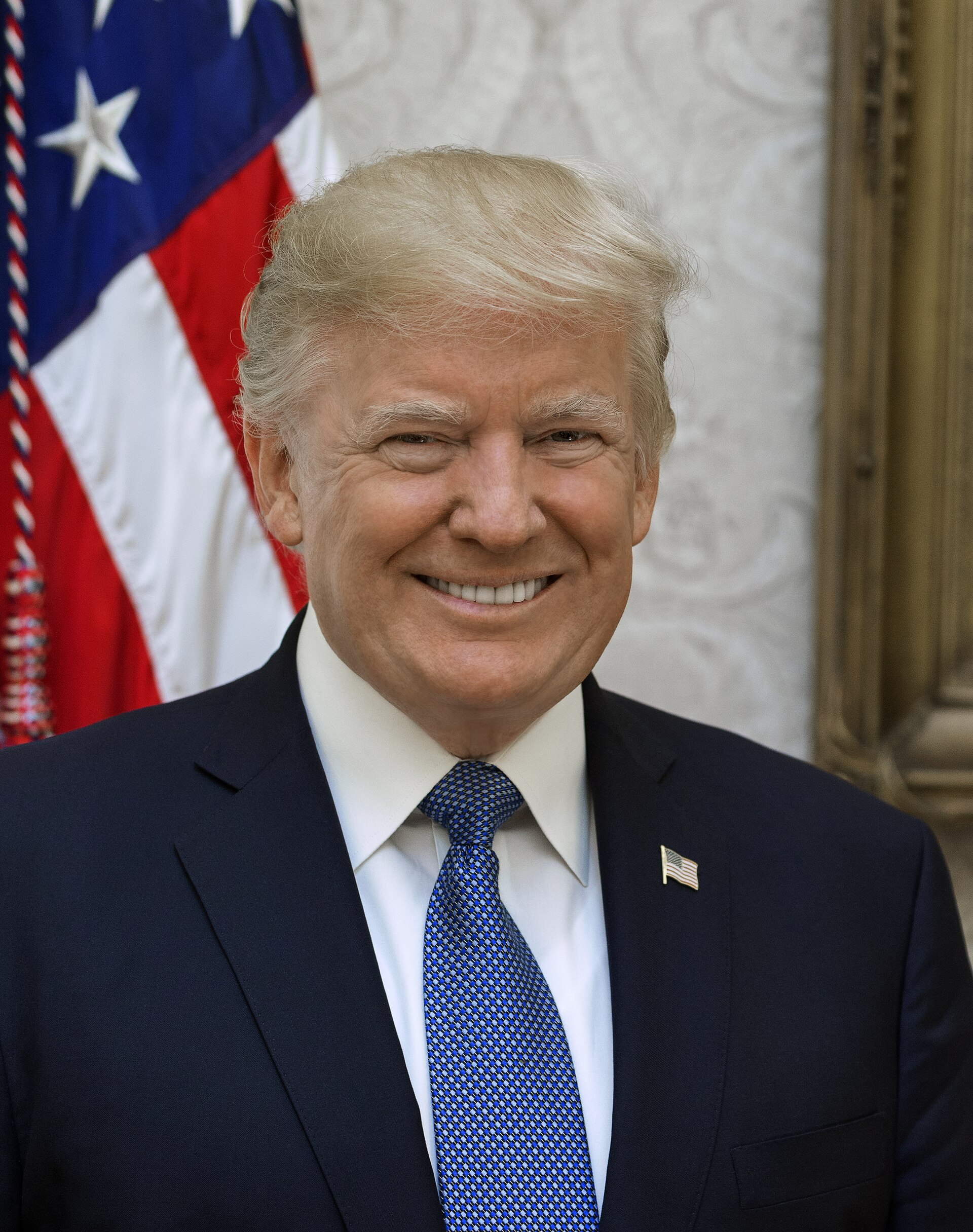
President Donald Trump said Elon Musk has restored Ukraine’s Starlink access after restrictions hampered Kyiv’s armed forces, though Ukrainian President Volodymyr Zelensky says full speed has not returned. “The bottom line, he put it back,” Trump told reporters.
The Wall Street Journal reported that Trump called Musk and asked him to lift restrictions on Ukraine’s use of the satellite network, and that Starlink services returned to normal following the call. Trump declined to confirm or deny that he made the call, saying he did not want to comment on it and that whether he called or somebody else called did not make a difference. He has separately denied ordering or being involved in the decision to restrict Ukraine’s access, telling reporters Wednesday, “I don’t know who did it, but I was not involved.” The BBC has not confirmed the Journal’s report.
Restrictions hampered Ukraine’s drone operations
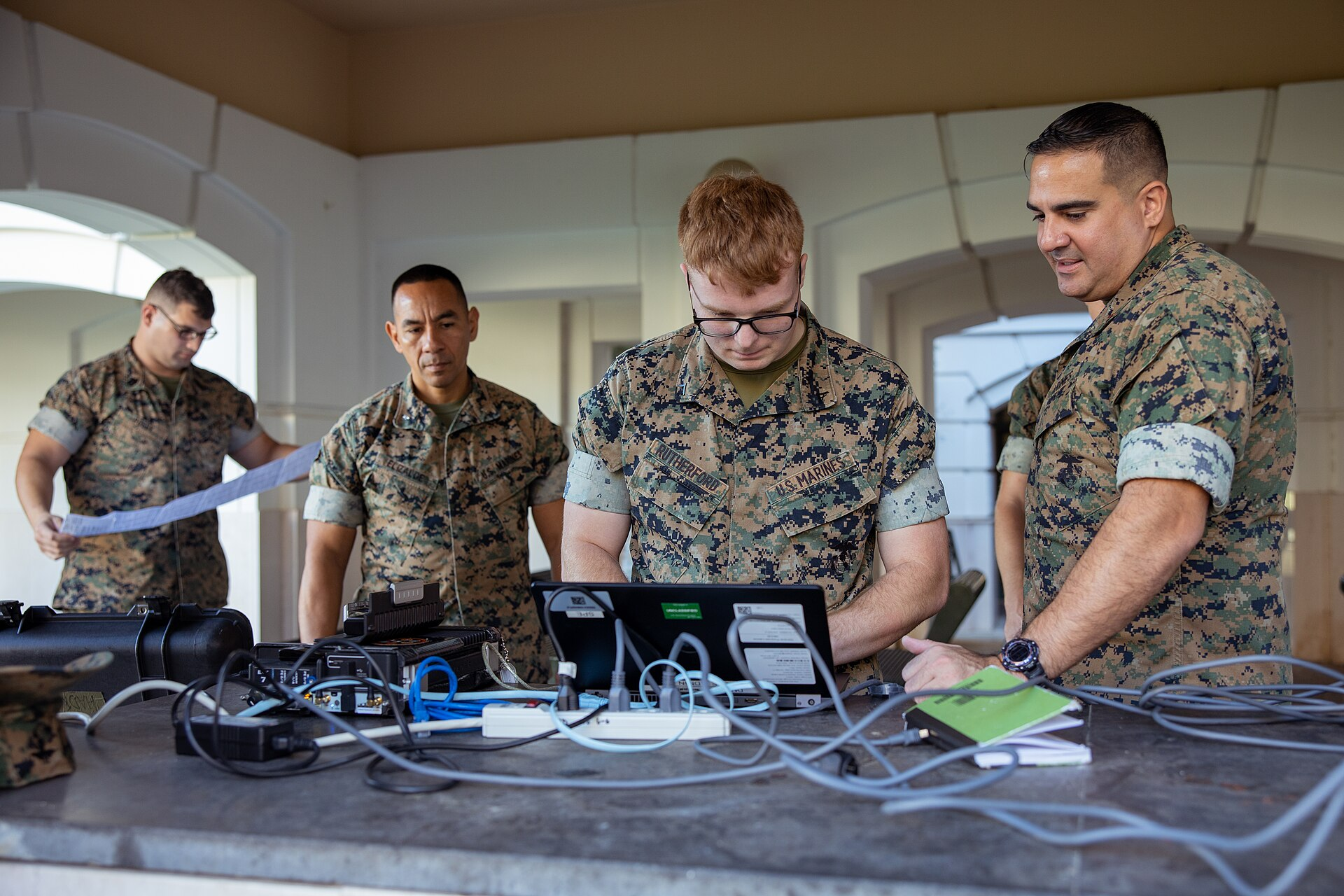
On October 13, Ukrainian officials announced that sudden restrictions on Starlink services had left the country’s military scrambling. The restrictions affected Ukraine’s ability to use drones against Russia, a capability central to Kyiv’s battlefield strategy since Putin launched a full-scale invasion in February 2022. The Journal reported that Starlink was capped at around 160 km/h, a speed limit that made Ukraine’s offensive drones and interceptors powerless against Russian attacks. Ukraine relies on two networks for connectivity: the civilian Starlink service and the more secure military-grade Starshield system, which Musk has said was designed for the Pentagon. The networks draw on 10,000 satellites in low Earth orbit to provide high-speed internet, particularly in remote areas and on battlefields where modern warfare depends on fast connections to operate drones.
Dispute over who ordered the slowdown
The Journal reported Tuesday that Musk had ordered the Starlink slowdown, a claim that Musk has denied. He has stated that Starshield is owned and controlled by the US government, and in a social media post on October 14 he wrote, “Any limits on speed or usage are decided by the US military and ultimately POTUS.” Secretary of State Marco Rubio offered a different account, saying decisions about Starlink’s speed and access belong to Musk and are governed by a private commercial contract. “The bottom line is that that is governed by a private commercial contract as to how their stuff can be used and what speeds they’ll allow it to be used at,” Rubio said Wednesday. Trump, for his part, said Friday that he did not know if anyone was responsible, that it was not him, and that he did not think it was Musk. From what he understood, he said, “it’s the same as it’s always been.”
Zelensky says full speed not yet restored
Zelensky said the speed of the military system has not been restored to 400 km/h (250 mph) yet. “We are working on it,” he said at a press conference. He added that he was waiting to hear from Rubio, who promised to get back to him with information within 48 hours or so. The Ukrainian president’s comments came shortly before the Journal reported that Trump had called Musk to ask him to lift the restrictions.
Bipartisan concern on Capitol Hill
The Starlink controversy drew bipartisan concern from lawmakers. Sen. John Cornyn, R-Texas, told CNBC’s “Squawk Box” that he does not believe Musk would throttle Starlink without “at least the acquiescence of the White House.” Sen. Richard Blumenthal, D-Conn., launched an inquiry into how SpaceX’s satellite tech was “degraded for Ukraine without notice,” and sent letters to Musk and Defense Secretary Pete Hegseth. Blumenthal said the decision to limit critical technology for a key ally put Ukrainian forces at risk and raised serious questions about who controls critical capabilities the U.S. government has spent billions of dollars to procure.
Trump’s broader posture toward Ukraine
Trump has criticized Zelensky for continuing to target Russian energy infrastructure and has repeatedly called him “difficult” compared to Putin. He has also pursued a deal to ease sanctions on Russia and import Russian diesel for the U.S. market.
Sources & methods
- BBC News, reporting on Trump's comments, Zelensky's press conference, and the Wall Street Journal's account of a Trump-Musk call. Archived Oct 23, 2026
- Al Jazeera, covering the Starlink restrictions, the dispute over responsibility, and Trump's broader posture toward Ukraine and Russia. Archived Oct 23, 2026
- CNBC, citing the Wall Street Journal's reporting that Musk ordered the slowdown and that Trump asked him to lift it, plus lawmaker reactions from Cornyn and Blumenthal. Archived Oct 23, 2026
This article synthesizes reporting from three outlets, BBC News, Al Jazeera, and CNBC, all of which cite the Wall Street Journal’s account of a phone call between Trump and Musk. Disputed claims are attributed to their sources. The BBC has not independently confirmed the Journal’s report.