U.S. pulls diplomats from Saudi Arabia and readies Iran strike plans with Israel after midterms
The evacuation order and the military planning are twin signals of a confrontation that is widening on the ground and being calibrated to the political calendars in both Washington and Jerusalem.

The U.S. has ordered non-emergency government employees and their families to leave Saudi Arabia, and the U.S. and Israel are preparing plans for possible strikes on Iran after the midterm elections.
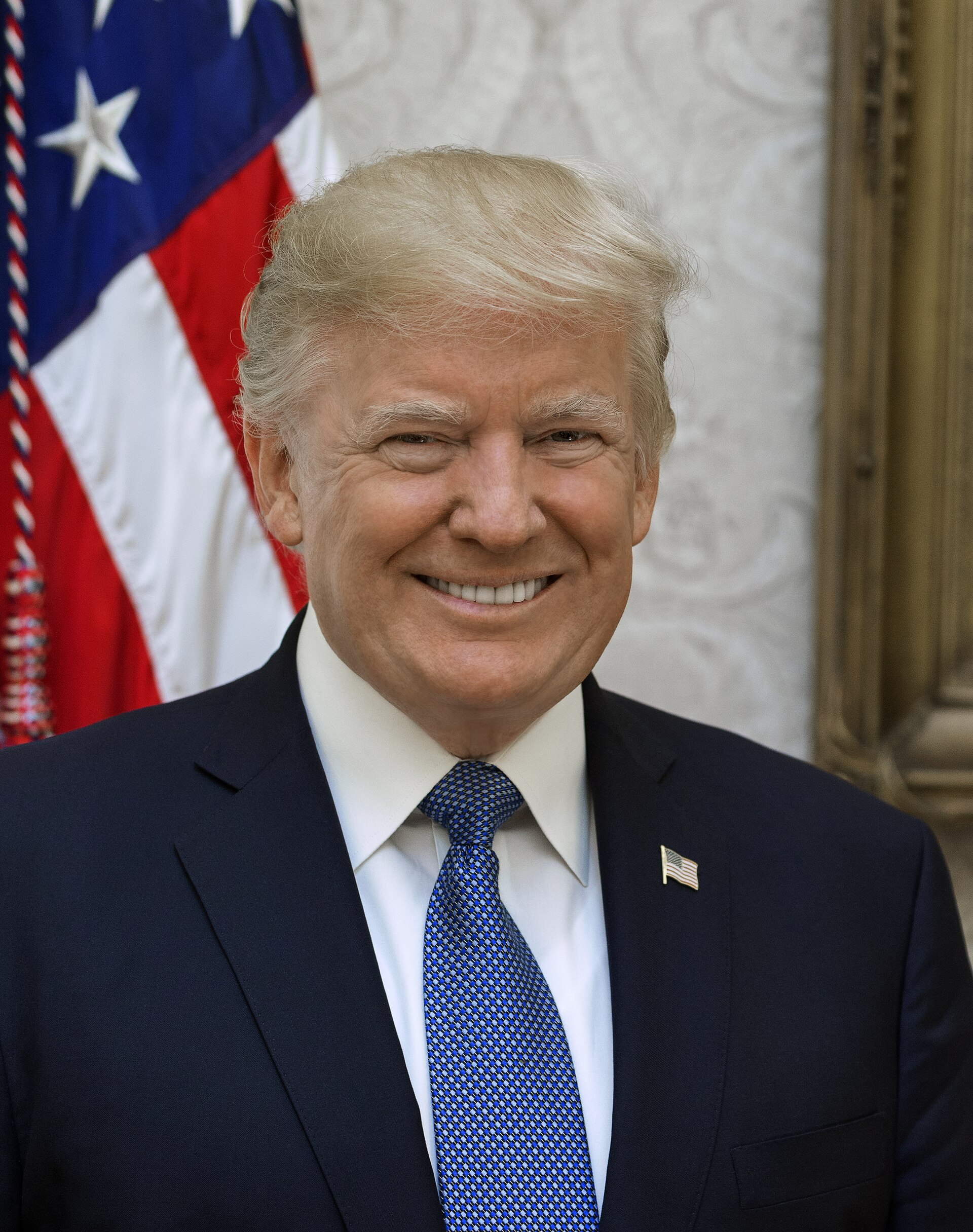
The withdrawal comes as Houthi attacks on the kingdom escalate, and as military planners in Washington and Jerusalem draft options for a post-election operation against Tehran. President Donald Trump has not yet approved new strikes on Iran.
Diplomatic withdrawal and Houthi strikes
State Department spokesman Tommy Pigott said on X that the departure order applies only to Saudi Arabia, citing increasing attacks by Iran-aligned Houthis on civilian targets. Reuters reported that Washington also plans to withdraw family members from other missions in the region. The violence is mounting. A strike on King Fahd International Airport in Dammam killed at least one person and injured eight. Two people died in a drone attack on Saudi Aramco’s Shaybah oil field, the Saudi Press Agency reported, adding that operations were not affected.
Strike planning with Israel
The U.S. and Israeli militaries have drawn up specific plans for renewed strikes on Iran, according to The New York Times citing unnamed U.S. officials. Planning for a ‘short but intensive’ operation is progressing, the Times reported. Defense Secretary Pete Hegseth met Israeli Prime Minister Benjamin Netanyahu during an unannounced visit to Israel this week to discuss potential new strikes. The two militaries have also stepped up exercises, including flying planes over Iraq to practice strike maneuvers, according to the Times. The renewed military strikes would likely target Iran’s energy infrastructure, nuclear facilities, and missile and drone arsenal.
Israel initially intended to strike Iran in mid-October, but Trump objected. He has repeatedly vetoed plans for a return to major combat this year. Netanyahu is involved in the strike planning discussions.
Political timing
The potential strike would occur after the U.S. midterm elections and Israel’s elections next week. Netanyahu is campaigning to topple Iran’s regime, and if election results remain uncertain by November, he may use the threat of military action to form a unity government. The preparations might aim to pressure Iran into a diplomatic deal.
Market impact and Iranian threats
Brent crude topped $110 a barrel and West Texas Intermediate gained 1% to $98.12. Middle East oil flows through the Strait of Hormuz have recovered to near pre-war levels, according to Kpler. Iranian officials have vowed to widen their attacks to target data centers and undersea internet cables, while refusing concessions on their nuclear program.
Sources & methods
- NPR Up First newsletter, Oct. 22, 2026 Archived Oct 22, 2026
- CNBC, Oct. 22, 2026, citing The New York Times, Reuters, Saudi Press Agency, and Kpler Archived Oct 22, 2026
This article draws on an NPR newsletter and a CNBC report that cited The New York Times, Reuters, the Saudi Press Agency, and the commodity research firm Kpler. The strike-planning details rest on unnamed U.S. officials cited by the Times and a person briefed on the matter who spoke to NPR on condition of anonymity.