UN-backed tribunal rejects Argentina’s bid to halt Falklands oil drilling
The International Tribunal for the Law of the Sea voted 18-3 on Saturday, clearing the Sea Lion project to proceed while Buenos Aires threatens sanctions.
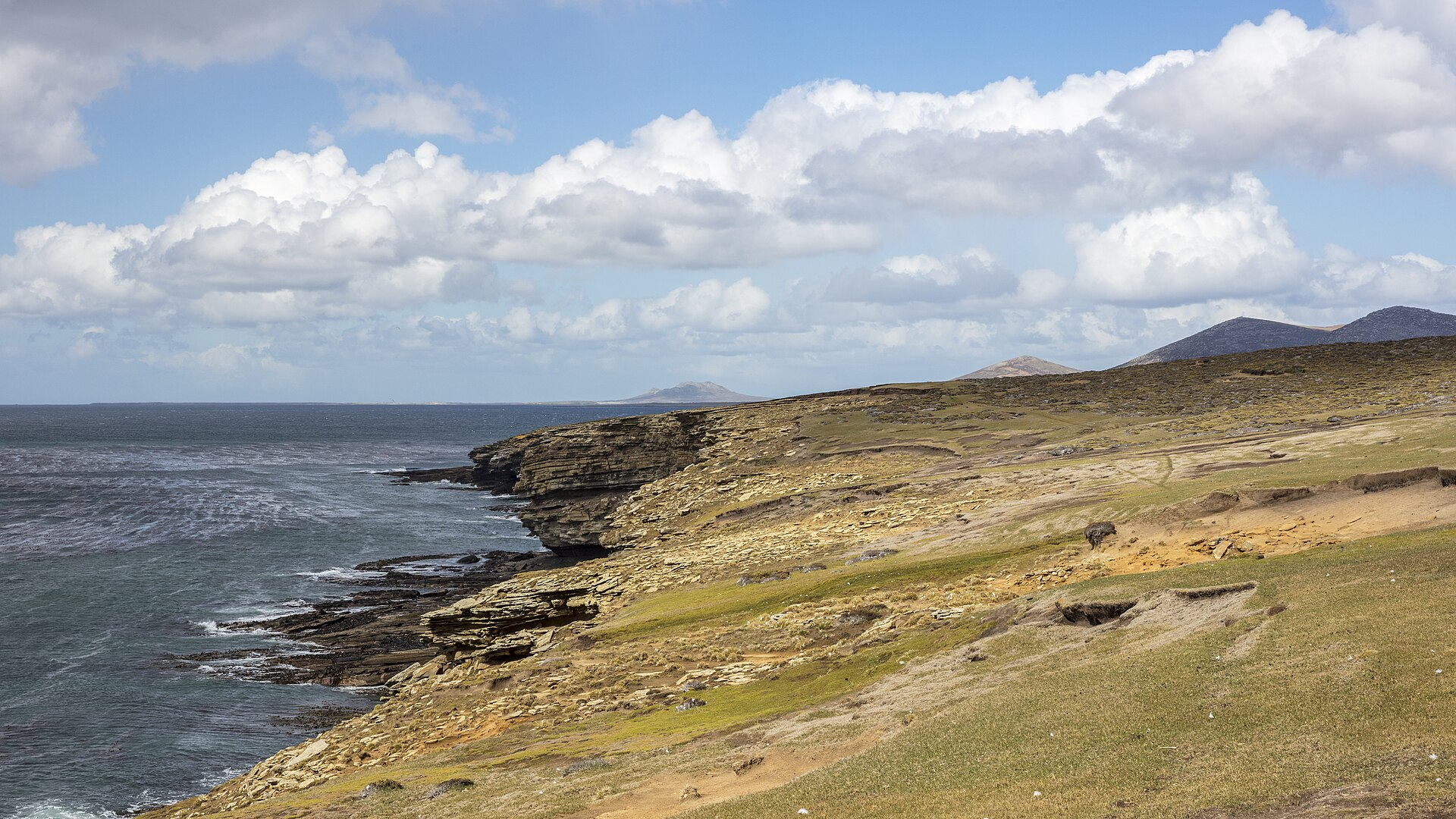
A UN-backed maritime tribunal rejected Argentina’s request Saturday to halt UK-authorised oil drilling near the Falkland Islands, clearing the way for the Sea Lion project to proceed. The International Tribunal for the Law of the Sea voted 18-3 to dismiss the bid.
The tribunal said it was the wrong court to rule on questions of sovereignty over the disputed territory. The UK had argued that Argentina’s sovereignty claim falls outside the UN Convention on the Law of the Sea’s arbitration process, which is designed to settle maritime disputes rather than territorial ones. UNCLOS came into force in 1994 and establishes rules governing all uses of the oceans and their resources. Buenos Aires had argued that while it believed there was a territorial dispute, nothing should be done that could change the situation, including building oil wells. Argentina launched its arbitration process against London in September, asking the Hamburg-based court to order the UK to ensure that no new drilling for exploitation and no installation of production infrastructure takes place in the North Malvinas Basin. Argentina also urged the court to order the UK to refrain from using information obtained in the exploration of natural resources in disputed maritime areas. Had the court granted provisional emergency measures, they would have been legally binding on both parties.
Buenos Aires vows to press on
President Javier Milei said “this decision is not the final word” and declared that “the Falkland Islands are Argentine.” He said Argentina will continue to assert its rights through all diplomatic, legal and administrative channels at its disposal. Buenos Aires issued a statement insisting that “Argentina did not ask the court to rule on sovereignty” but to apply UN sea laws to the UK over its exploitation of Argentine resources. Argentina said five individuals would face sanctions for involvement in the oil drilling venture. The statement did not specify who. “The message is clear: those who participate in the illegal exploitation of our resources will face the consequences,” the statement said.
UK urges Argentina to stand down
Foreign Secretary Ed Miliband and Attorney General Ellie Reeves issued a joint statement saying Buenos Aires must “respect the right of the Falkland Islanders to determine their own future.” The statement said Argentina sought to stop the Falkland Islanders making their own sovereign decisions and failed, and urged Argentina to end its wider economic pressure against the territory. The UK had argued that halting the Sea Lion project could have severe economic consequences for the islanders. Reeves, the UK’s chief legal adviser, told judges in a two-day hearing earlier this month that the order sought by Argentina would prevent the people of the Falkland Islands from developing their natural resources, as they are entitled to do. She said Argentina wants to take control of those resources for itself.
The Sea Lion project
The Sea Lion project is led by the UK’s Rockhopper Exploration and Israel’s Navitas Petroleum. The oilfield contains an estimated 1.7 billion barrels of oil and sits approximately 130 miles from the Falkland Islands, according to the BBC, though Al Jazeera places it about 220km away. Extraction is due to begin within two years. Prime Minister Andy Burnham raised the Sea Lion project with US President Donald Trump in a call in late October. Burnham’s office said the prime minister raised the economic consequences of Argentina’s coercive measures for the UK and US and reiterated the importance of respecting the islanders’ right to develop their natural resources. Milei has doubled down on Argentina’s claim over the Falklands since Trump said he was open to reviewing Washington’s stance on the territory.
A dispute rooted in war
The UK and Argentina went to war in 1982. The conflict lasted 74 days. It started when Argentine forces landed on the Falklands to stake a territorial claim, and a British military task force fought to eject them. The war killed 255 British military personnel, 649 Argentine military personnel, and three islanders. Falkland Islanders voted 99.8% in favour of remaining a British overseas territory in a 2013 referendum. Just three voted against. Argentina rejects the outcome. It argues that self-determination does not apply to a population it considers implanted by the UK. The Falklands lie 600km off Argentina’s Patagonian coast and almost 13,000km from the UK. They are known in Argentina as Las Malvinas and have approximately 3,500 inhabitants.
Sources & methods
This article is based on reporting from BBC News and Al Jazeera, including tribunal proceedings, government statements, and historical records of the Falklands dispute.