US and Iran trade new strikes as ceasefire collapse fuels escalation across the region
American forces hit IRGC targets around the Strait of Hormuz on Tuesday, and Iran answered with missile and drone attacks on US bases from Jordan to Bahrain. A wedding party in southern Iran was among the casualties.
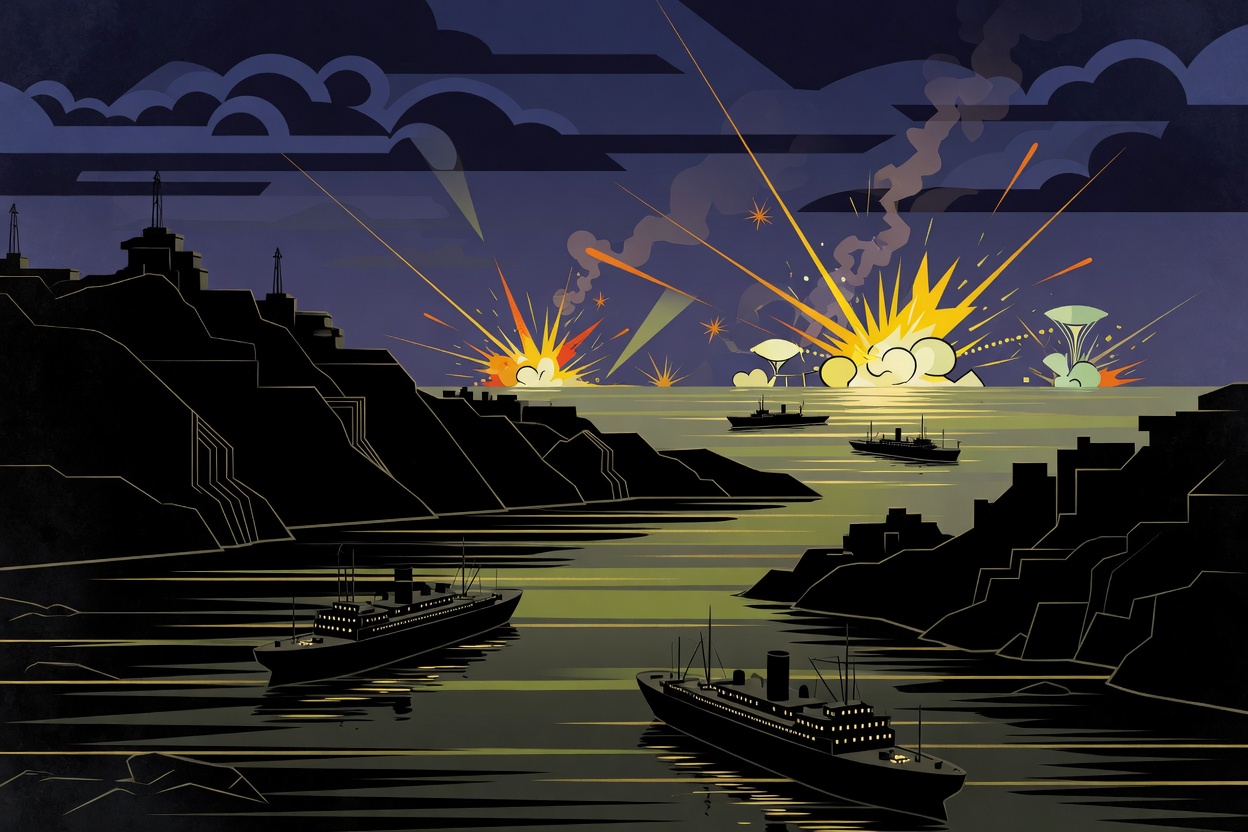
The United States and Iran exchanged a new round of military strikes on Tuesday, extinguishing any hope that a brief weekend clash might remain an isolated incident and pushing a six-month conflict closer to full-scale war.
US Central Command said American forces began striking Islamic Revolutionary Guard Corps targets in Iran at noon Eastern Time, following what it called recent attempted attacks by the IRGC against commercial shipping in the Strait of Hormuz and against American service members deployed to the region. Centcom did not immediately disclose the number or location of targets or which US military assets were involved. The command said the strikes had been completed by early Wednesday.
Iran retaliated swiftly. State-linked Tasnim news agency reported that Iran’s armed forces had launched a “decisive operation” targeting US bases and interests across the region with missiles and drones. Attacks were reported on US military positions in Iraq and Jordan, according to local state media and the Jordanian Armed Forces, and explosions were also reported in Kuwait and Bahrain following attacks by Iran, according to Iranian state media.
In southern Iran, the Iranian Red Crescent said four people including a four-year-old child were killed and more than 50 injured when shrapnel from a US missile hit a home where a wedding celebration was taking place in Sirik. Iranian state media also reported projectiles hitting the areas of Chabahar and Konarak and an airport in Jiroft, with explosions heard on Qeshm Island and in the port city of Bandar Abbas. US Navy Captain Tim Hawkins, speaking on behalf of Centcom, told the BBC the military was aware of the reports from Sirik and that “the US military never targets civilians, unlike the IRGC.”
The IRGC said the US would “regret” the strikes. Iran’s semi-official Tasnim news agency reported that by early Wednesday the IRGC had launched a barrage of ballistic missiles at a US Marine base in Jordan’s Aqaba in retaliation for the Sirik attack. The Jordanian Armed Forces said it intercepted 13 ballistic missiles, destroying 10, while three fell in remote areas with no deaths or injuries reported. Kuwait’s army said its air defences were responding to Iranian missile attacks early Wednesday.
Trump warns of worse to come
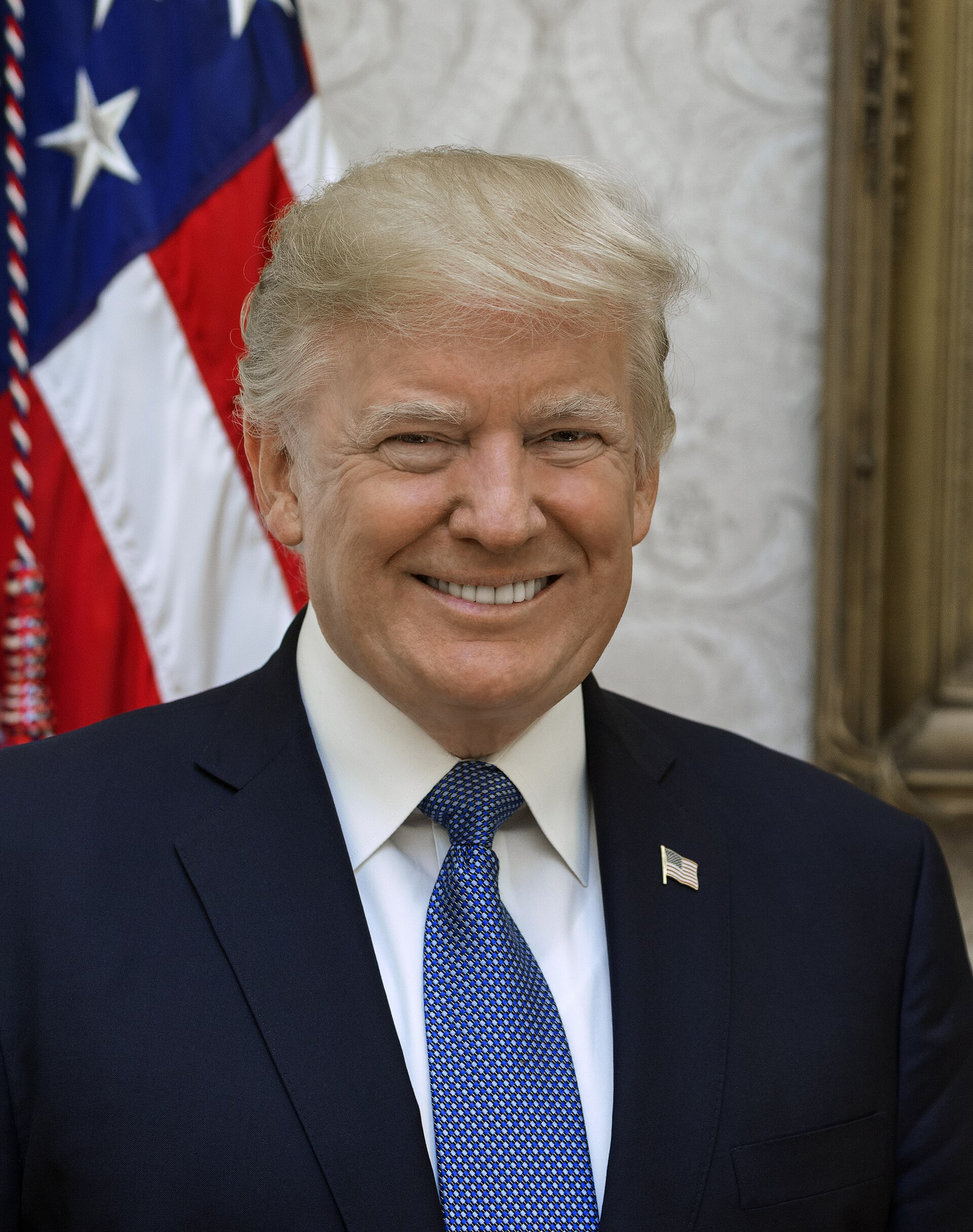
President Donald Trump called the strikes “large and powerful” in a Truth Social post, saying they were retaliation for Iran’s attempt to add sea mines to the Strait of Hormuz and its missile attack on a US base in Jordan. He warned that if Iran retaliated, it would be hit “at a much harder and higher level,” and that an even bigger attack was “waiting in the wings,” adding that when it was over, “there will be very little left of the Islamic Republic of Iran.”
Trump had told reporters on Monday that the weekend exchange did not signal a return to full-scale war, and a senior Iranian source told Reuters the clashes were a “limited and contained confrontation.” Yet the rhetoric from both sides pointed in a darker direction. The IRGC, in a statement carried by state broadcaster IRIB, said the US had bombed civilian areas in “blind and desperate attacks” and claimed its fighters had shot down the 50th advanced MQ9 drone of the American military using a new aerospace defense system.
The escalation complicates a war Trump once predicted would be over in four weeks and threatens a campaign pledge to end wars ahead of November’s midterm election. Trump’s approval sits at 33 percent, according to a Reuters/Ipsos poll released Monday, while just 36 percent of Americans approve of the Iran war.
A ceasefire that did not hold
The latest violence follows the expiration of a June memorandum of understanding between Washington and Tehran that had declared an end to fighting which began on 28 February, when the US and Israel launched wide-ranging strikes on Iran. Iran responded by attacking Israel, US bases, and allied Gulf states, effectively closing the Strait of Hormuz to marine traffic. The MOU deferred many of the most difficult issues and paved the way for a 60-day negotiation period, which passed without further agreement.
Both sides have since fired on shipping. Tehran has targeted vessels it says crossed the Strait without permission, and the US has enforced a naval blockade of Iranian ports. Washington announced a fresh sanctions campaign on 24 August aimed at further isolating Tehran, with Treasury Secretary Scott Bessent telling a G20 finance ministers meeting that many US allies “came forward and said they will do whatever is necessary” concerning the sanctions. Iranian officials have largely dismissed the campaign as a continuation of previous US economic measures following what they call Washington’s military failure in the recent conflict.
Iranian President Masoud Pezeshkian, quoted by state media on Tuesday, said that if the US returned to its commitments under the memorandum of understanding, Iran would reciprocate. Iranian officials have shown no public sign of bowing to pressure, and the foreign ministry spokesperson Esmaeil Baghaei told a press conference in Tehran that Washington was “addicted to making excessive demands and has mistaken negotiations for dictating terms,” according to The Guardian. Iran’s parliament speaker, Mohammad Baqer Qalibaf, was quoted by Iranian media as warning that if the enemy prevented Iran from exporting oil from the Persian Gulf, no one would be able to export oil, The Guardian reported.
Oil prices had already risen after the weekend exchange and reports of two tankers being hit leaving the Strait of Hormuz, one of the world’s most important energy chokepoints, through which roughly a fifth of global oil supplies passed before the war, according to the US Energy Information Administration. The US Embassy in Qatar issued a security alert Tuesday warning of the potential for “unforeseen escalation” and urging Americans in the region to exercise heightened vigilance amid possible flight cancellations, airspace closures, and other travel disruptions.
Sources & methods
- BBC News report on Iran's retaliation after US strikes killed four at a wedding party in Sirik, including details from Centcom, the Iranian Red Crescent, the Jordanian Armed Forces, and Tasnim news agency. Archived Sep 2, 2026
- The Guardian report on the US launching new airstrikes on Iranian targets, including statements from CENTCOM, Trump's social media posts, IRGC statements carried by IRIB, and remarks from Pezeshkian, Qalibaf, and Baghaei. Archived Sep 2, 2026
- CNBC report on the US-Iran exchange of attacks, including CENTCOM details, Trump's Truth Social post, Tasnim reporting on Iran's retaliatory operation, the Reuters/Ipsos approval poll, and the US Embassy in Qatar security alert. Archived Sep 2, 2026
This article was assembled from three wire and news organization reports published on September 1, 2026, cross-referencing details on military operations, casualties, political statements, and economic impact attributed to CENTCOM, Iranian state media, Jordanian and Kuwaiti armed forces, and named officials.