US sanctions the ICC itself hours after a former judge wins the Nobel Peace Prize
Secretary of State Marco Rubio announced a ban on US transactions with the tribunal and a freeze on its US-held assets, vowing to shut the court down if it does not drop investigations involving Americans and Israelis.
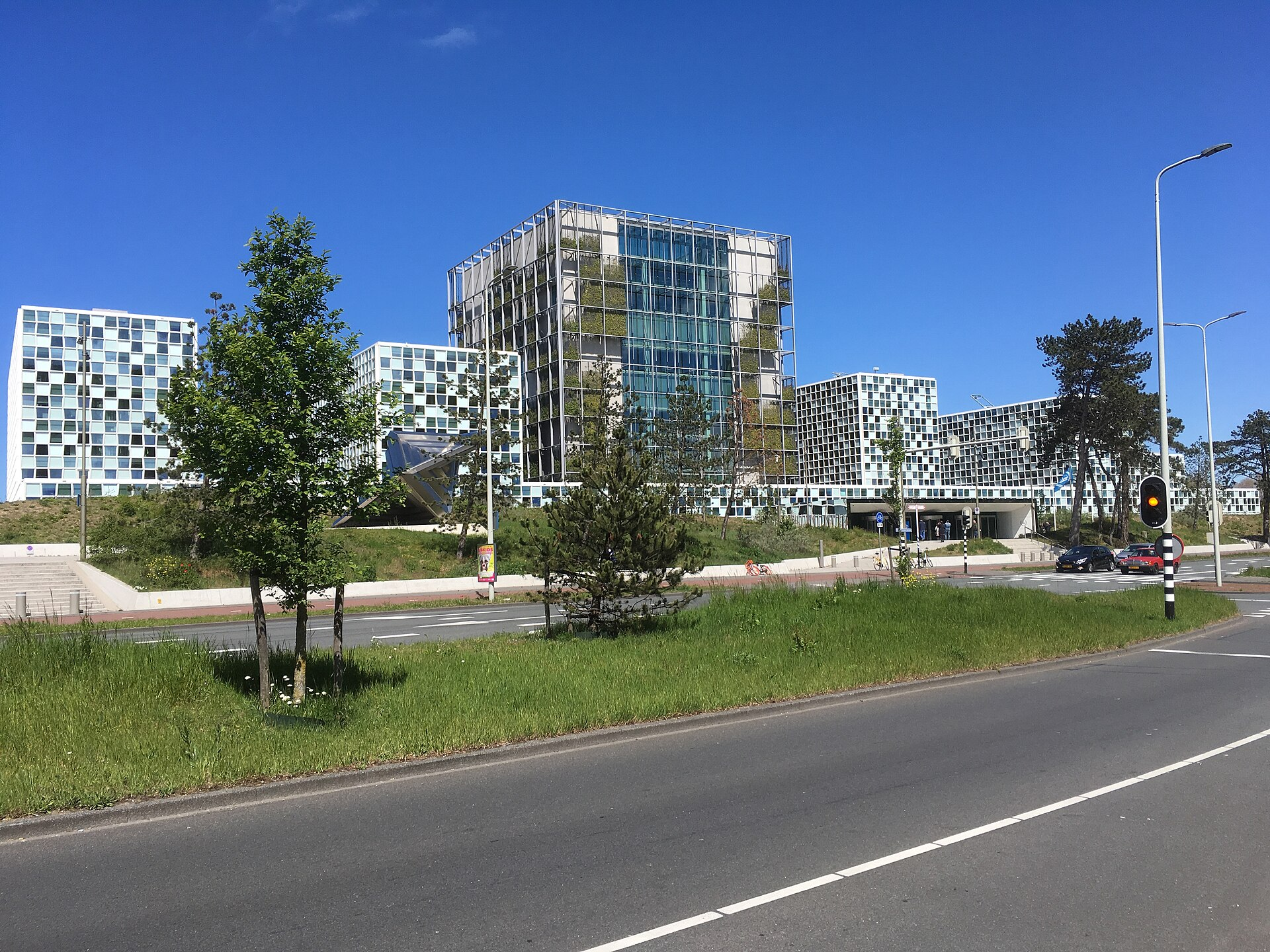
On Friday, Secretary of State Marco Rubio announced sanctions targeting the International Criminal Court itself, banning US transactions with the tribunal and freezing its American-held assets. The declaration landed just hours after former ICC judge Navi Pillay was awarded the 2026 Nobel Peace Prize.
The sanctions bar US entities from making transactions with the ICC and block any assets the court holds in US jurisdictions. US companies and individuals will have six months to wind down business with the tribunal, and the ban stops American firms from providing goods or services such as banking or software. Rubio said the measures were intended to cut off the court’s resources and cripple its ability to operate. Certain transactions are exempt, and the ICC is allowed to address the US government’s concerns. The measures were also structured to allow other countries to negotiate a possible solution.
Rubio accused the ICC of seeking to prosecute Americans, insisting the United States is not subject to its jurisdiction because it never ratified the statute founding the court. The Trump administration has criticised the ICC over its investigation into US actions in Afghanistan and over arrest warrants for Israeli officials including Prime Minister Benjamin Netanyahu. Rubio said the US had delayed imposing sanctions in the hope that the ICC and member countries would address American concerns. To date, the court has not sought to prosecute any US citizens. “Either the ICC will end its threats, or we will end the ICC,” Rubio said.
ICC vows to press on
The ICC said the sanctions were an assault on the rule of law and the international legal order, and stated it would not be deterred. ICC deputy prosecutor Nazhat Shameem Khan said the sanctions must be condemned. “The sanctions are intended to undermine the rule of law internationally and the work that an independent judicial institution is doing,” Khan said. “Our work will continue across all our situations, our investigations and our prosecutions.”
A Nobel juxtaposition
Navi Pillay is South African. The Nobel committee said the prize comes at a time when judges and institutions of international law are under political attack, and that an international legal system in which war criminals are held to account is a precondition for a peaceful world. Trump, according to the BBC, criticised Pillay for being part of a panel that accused Israel and Hamas of war crimes during the 7 October conflict. The BBC also reported that Trump has reacted sourly to the Norwegian prize’s choice this year and last, after having expressed a desire to receive it himself.
A broader pressure campaign
Before these sanctions, the US had sanctioned ICC judges and prosecutors. During his first term, Trump imposed sanctions on the ICC that were later reversed under the Biden administration. When Trump returned to office in 2025, he signed an executive order imposing sanctions on the court for its investigations into Israelis and Americans. In August, the administration placed additional sanctions on ICC president Tomoko Akane. The US has urged other countries to withdraw from the court or rein it in, and has suggested it would assess allies’ relationship with the court when determining foreign assistance. In July, Chad and Venezuela moved to withdraw, following Burkina Faso, Mali, and Niger. The US had previously sanctioned a UN special rapporteur on the occupied Palestinian territories and Palestinian rights groups that provided evidence to the court. Several rights groups have challenged prior ICC sanctions in US federal court, and sanctioned ICC judges have also launched legal challenges in the US.
The ICC was established in 2002 as an international tribunal to hold countries accountable for war crimes, genocide, and crimes against humanity.
Sources & methods
- BBC News, reporting on US sanctions against the ICC and the Nobel Peace Prize awarded to Navi Pillay Archived Oct 9, 2026
- Al Jazeera, reporting on the US sanctions targeting the ICC entity itself and reactions from ICC officials Archived Oct 9, 2026
- The Guardian, reporting on the US sanctions and the ICC's response Archived Oct 9, 2026
This article was assembled from three published news reports. The sources are BBC News, Al Jazeera, and The Guardian. Facts were cross-referenced across all three. Single-source claims are attributed accordingly. Disputed details, including the status of the ICC’s Afghanistan investigation, were omitted because sources conflict on whether it is deprioritized, closed, or ongoing.