The United States, Denmark and Greenland signed a defence agreement on Tuesday on the sidelines of the UN General Assembly in New York, granting Washington the right to build two new military bases in the semi-autonomous Arctic territory while reaffirming Copenhagen’s sovereignty over it.
The deal amends and updates a 1951 defence agreement between Denmark and the US, ending a months-long standoff that began when President Donald Trump threatened to take Greenland over what he described as national security concerns. Trump had tried for months to purchase or annex the island, arguing it was vulnerable to adversaries including Russia and China, and at times declined to rule out the use of military force to acquire it. His rhetoric prompted outcry from Greenlanders, Danes and European leaders, who issued a joint statement saying his words “undermine transatlantic relations and risk a dangerous downward spiral.”
At the signing ceremony, Trump said the US would immediately begin the process of developing a large military presence in the appropriate locations. He described the deal as tremendous for Europe, the United States, and Greenland. Danish Prime Minister Mette Frederiksen called it a milestone in long-standing co-operation and a deal that can last forever. Greenland’s Prime Minister Jens-Frederik Nielsen called it a win-win-win.
Where the bases will be built
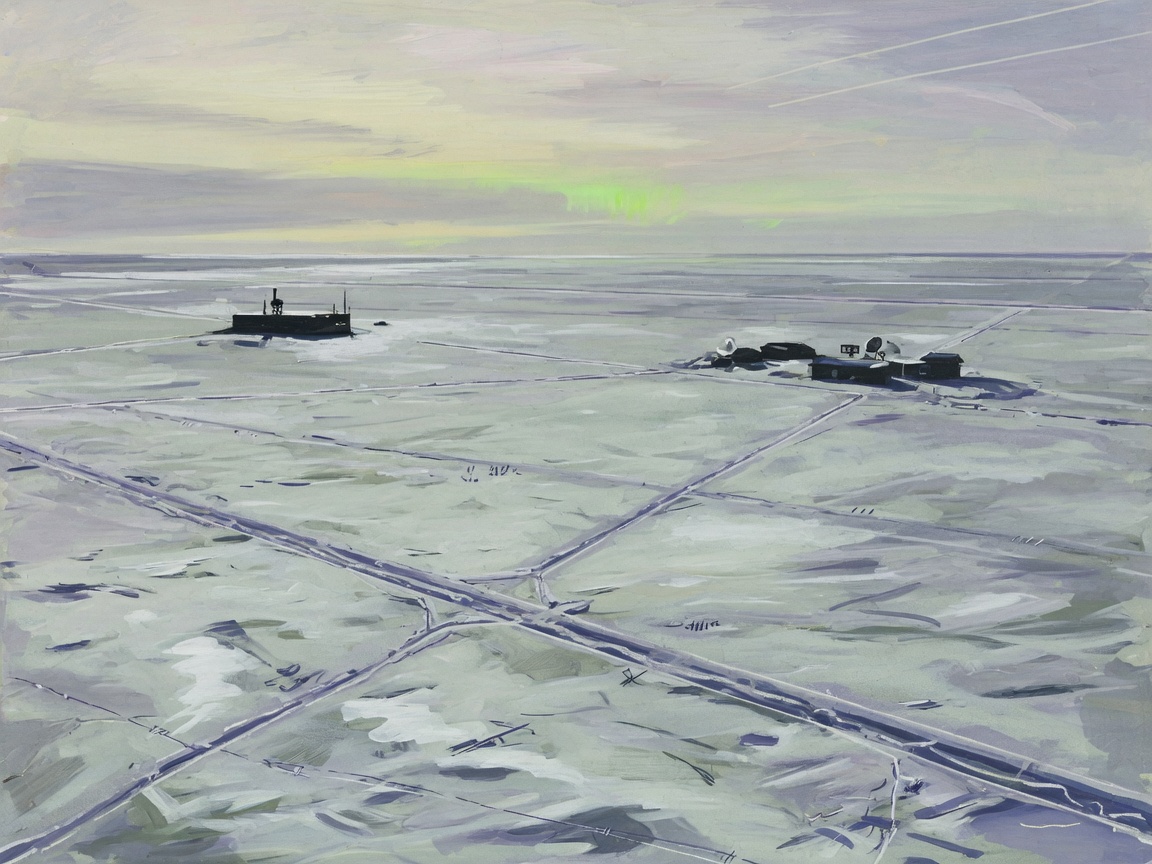
The agreement allows the US to establish an additional Defence Area at Narsarsuaq in Greenland’s south and Mestersvig in the east. Narsarsuaq has deep-water access and a large runway, and US military engineers were surveying the site last week, according to Danish media. The settlement is home to just a few dozen residents after the US shut its Bluie West One base there in the 1950s, Reuters reported. Mestersvig is a remote, far less developed outpost used by the Sirius Patrol, a Danish special forces unit that operates with dog sleds.
The modalities and technical details of the bases are yet to be confirmed and must be mutually agreed by all parties. The deal also lets the US modernise and expand its activities at the existing Pituffik Space Base in Greenland’s northwest, where Washington currently has more than 100 military personnel permanently stationed, according to the BBC. Al Jazeera reported the figure at about 200. Since 1945, the US military presence in Greenland has shrunk from thousands of troops across 17 bases to the single remote outpost.
The accord grants US aircraft the right to fly over and land anywhere in Greenland, including its territorial waters, and also grants undersea access. It contains no end date. If Greenland becomes independent, it will remain in NATO and assume Denmark’s obligations under the deal.
Keeping rivals out
A central provision bars any state that is not a member of NATO from establishing manned or unmanned military installations in Greenland or maintaining a persistent presence of military forces there. The agreement also prohibits sensitive investments by non-allies outside NATO and the European Union. Al Jazeera’s correspondent Rosiland Jordan, reporting from UN Headquarters, said the Danish and Greenland governments will maintain sovereignty over Greenland’s territory but the US will have essentially veto power over what other countries are able to come to the island.
Retreating sea ice has opened new shipping lanes and exposed mineral deposits across the Arctic, drawing the US, Russia and China to bolster their presence in the region. Greenland has vast and largely untapped reserves of rare earth minerals, many of which are crucial for technologies including mobile phones and electric vehicles. Trump argued the Arctic island was an essential piece of his plan to build a futuristic “Golden Dome” defence system to protect the US against missile attacks, though the deal only mentions the project once and contains no concrete proposal.
Trump announced the deal on Truth Social on Friday, saying it would give the US permanent control over security and all other needs in the Danish island territory. He said it came at no cost to the United States and addressed all of his many concerns. Frederiksen said Friday that the deal strengthens common security in the Arctic and the North Atlantic area and is great for NATO and Europe.
Secretary of State Marco Rubio on Monday pressed allies of the US, including Canada, Denmark, Greenland, Norway and Sweden, to raise defence spending in the Arctic region, his spokesman said. NATO Secretary-General Mark Rutte welcomed the deal, as did European Council President Antonio Costa, who called it a positive step for transatlantic cooperation and Arctic security, grounded in respect for sovereignty, territorial integrity and the right of the Greenlandic people to self-determination. Nielsen stressed that the agreement takes into account the people of Greenland, their rights, their livelihoods and the development of their country, adding that Greenland matters for North American security and for transatlantic security.