US strikes Iran’s Qeshm Island as oil prices whipsaw ahead of midterms
Limited attacks collide with diplomatic signals from Washington and Tehran, sending crude down more than 7% on Monday before Tuesday’s rebound.
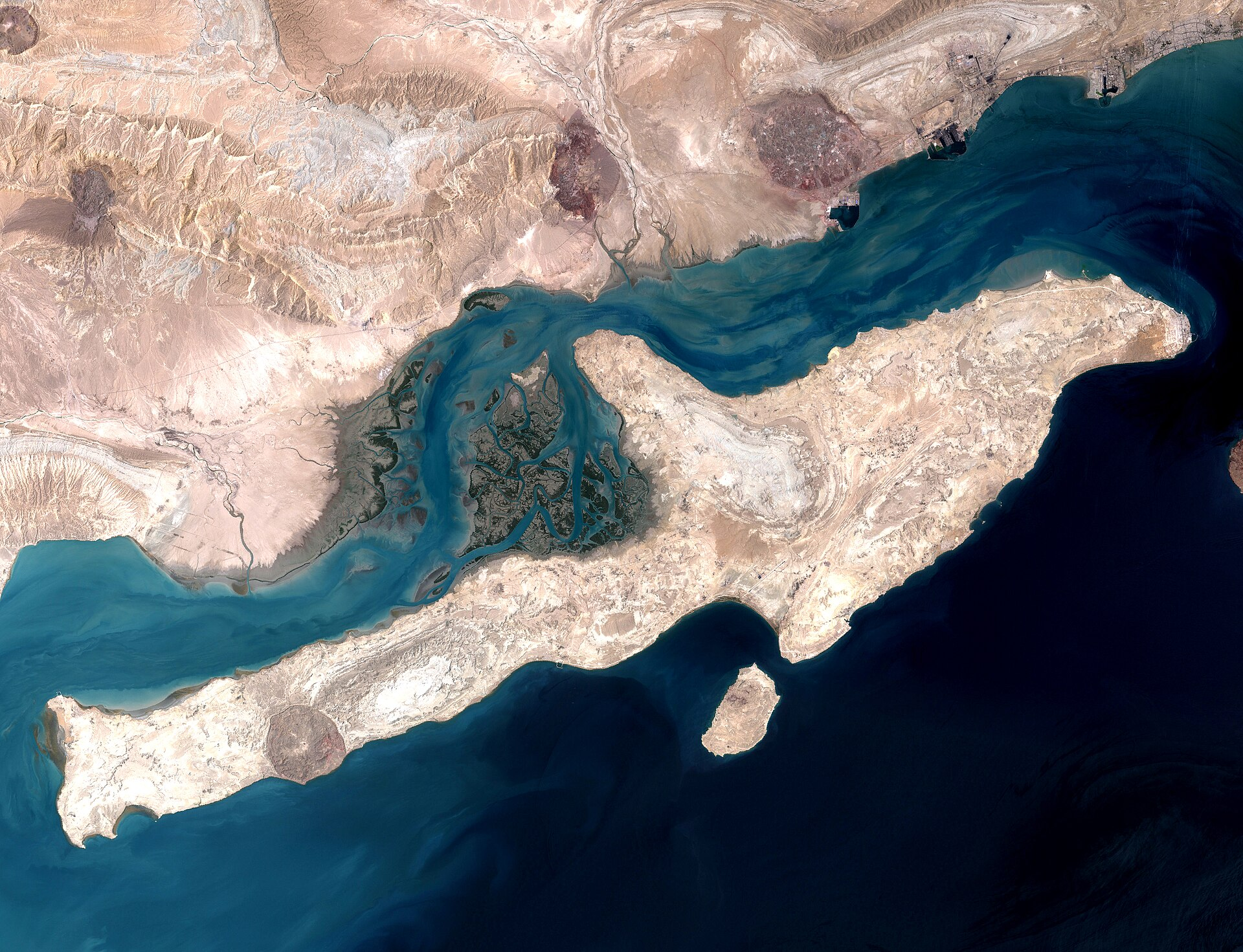
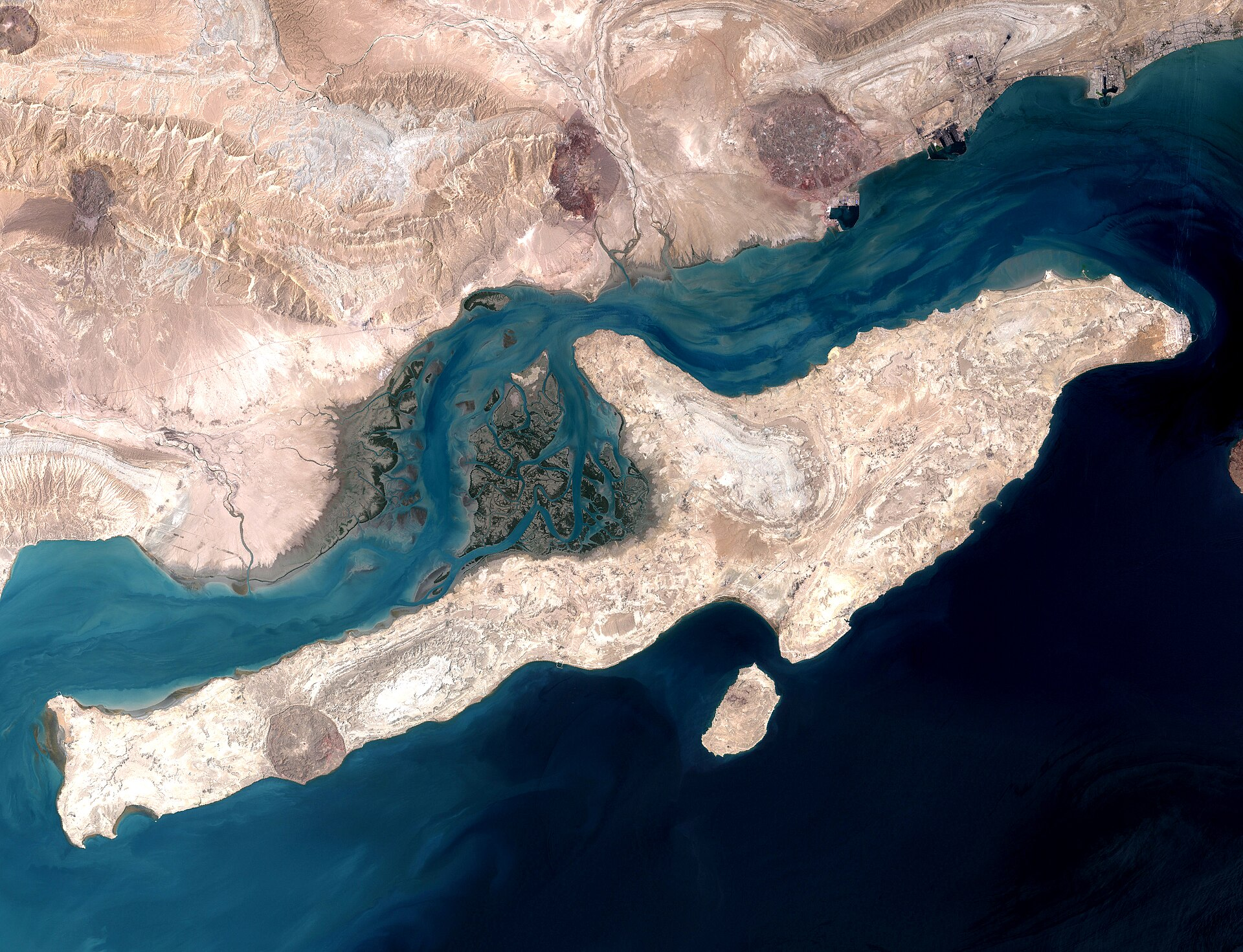
The US struck Iran’s Qeshm Island on Monday, and officials described the strikes as limited. The attacks come ahead of the US midterm elections, which will determine control of Congress.
The limited strike landed between dueling signals of diplomatic openness from Washington and Tehran that had sent oil prices down more than 7% on Monday after the US and Iranian presidents signaled willingness to pursue a negotiated end to the war. Markets reversed the next day, with crude climbing as the Qeshm Island attack underscored the fragility of any de-escalation.
The strike and the pattern
Iranian state news agency Irna reported several explosions on Qeshm Island on Monday. US officials said the strikes were in response to the IRGC firing upon a US aircraft. The BBC has contacted US Central Command, or Centcom, for comment. The Wall Street Journal reports that the US has been carrying out limited strikes against Iran in recent weeks, and that the campaign has been kept deliberately low-profile to avoid signaling plans for a major escalation, according to an unnamed official. The US-Iran war began when the US and Israel attacked Iran in February.
Trump’s dual message
Trump told reporters on Monday he was in “no rush” to ramp up strikes on Iran. “One way or the other, we will do something, but there is no rush. We crippled them financially,” he told the outlet Axios. He also said the US “might need to go after Pickaxe Mountain,” an underground site linked to Iran’s nuclear programme, in a Fox News interview on the eve of the midterm elections. Trump said targeting Pickaxe Mountain was “not a big deal” and could be done in “one hour.” When asked by a reporter on Monday whether the US would resume significant strikes after the midterms, Trump said “no.” The president has been facing falling polling numbers and pressure from within his Republican party to end the war.
Tehran’s position
Iran’s Foreign Minister Abbas Araghchi told Irna that “very intensive” talks to end the war were under way with the US via mediators. Araghchi said Iran was prepared for both diplomatic and military scenarios “more than ever before,” and that it was up to the US to choose between a “wise path” of negotiation or the “mistake of military aggression.” Vice President JD Vance told CNN that the president and he feel good about the prospect of a negotiated settlement. On Sunday, Secretary of State Marco Rubio said Trump would like to resolve the Iranian war diplomatically and prefers not to use military force.
Oil reverses
Brent crude was up 1.75% on Tuesday to $106.60 per barrel, while West Texas Intermediate rose 1.7% to $98.10. Before the diplomatic signal that drove Monday’s sell-off, Brent prices were at their highest since 2022, as fears mounted of further US strikes on Iran after the midterms. High oil prices have contributed substantially to inflation and high gasoline prices in the US, which have become a cause of concern for Trump ahead of the elections. Last week, two Federal Reserve presidents said interest rates will need to move higher to rein in inflation. The rebound in crude came amid speculation that the US may resume significant strikes on Iran after the midterms, despite Trump’s denial.
Sources & methods
- BBC News, reporting via CBS as its US partner Archived Nov 3, 2026
- CNBC, reporting on oil markets and US-Iran developments Archived Nov 3, 2026
This article draws on reporting from BBC News and CNBC, cross-referencing official statements, market data, and on-the-record comments from US and Iranian officials.