Vučić concedes defeat to student-led protest movement after more than a decade in power
A movement born from the collapse of a train station canopy that killed 16 people has swept aside one of the most entrenched governments in the Balkans.
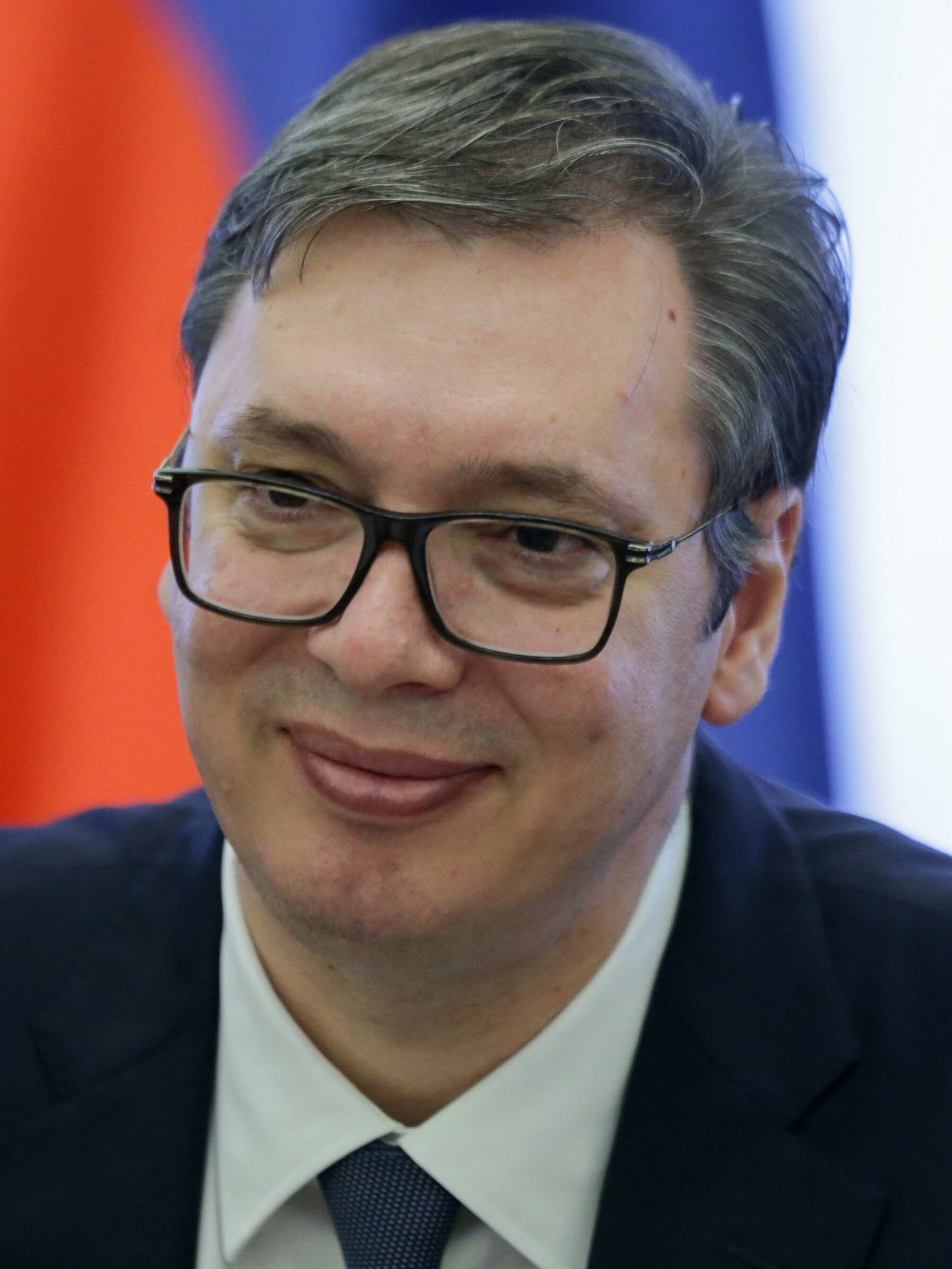
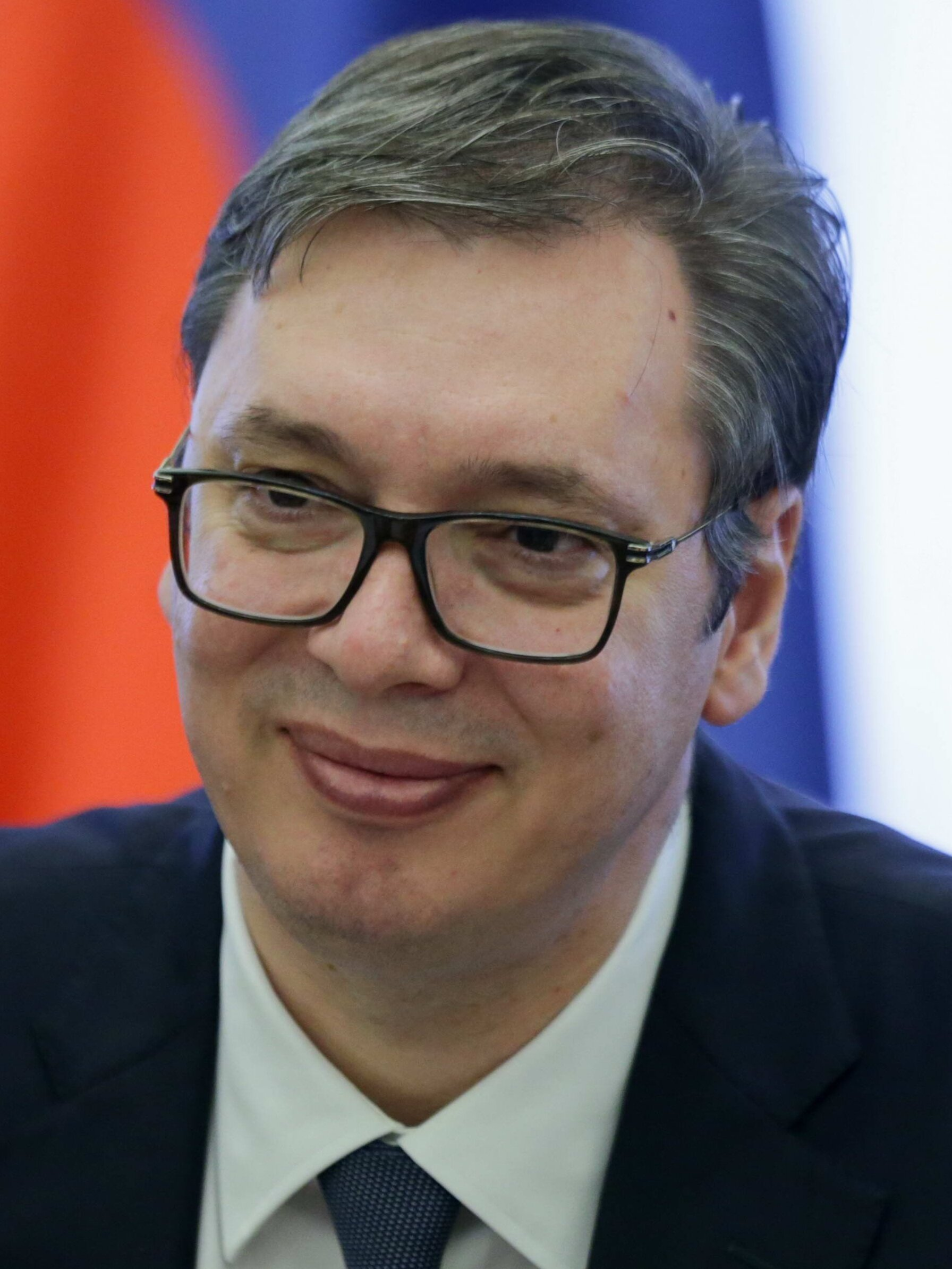
Aleksandar Vučić conceded defeat on Sunday to a student-led protest movement in snap parliamentary elections, ending more than a decade of dominance by his Serbian Progressive Party (SNS).
Vučić made the concession at SNS headquarters in Belgrade, telling supporters: “We still do not have final results... it is clear that we have lost these elections.” A sample of votes showed SNS was expected to win 105 seats in Serbia’s 250-member parliament, compared with 135 to 140 for the Student List. The elections saw record high voter turnout, reaching its highest level in more than 30 years.
From tragedy to political earthquake
The movement that defeated Vučić began with grief. On November 1, 2024, 16 people were killed when a train station canopy collapsed in Novi Sad, a disaster widely seen as emblematic of corruption and negligence. Protests lasted approximately two years before the elections, growing from vigils into a broader wave of social unrest that evolved into the Student List political platform. The movement campaigned on tackling corruption and depoliticising public institutions. Its manifesto included purging officials who cracked down on protesters, stopping party loyalists from leading public enterprises, and freeing the public broadcaster of political control. Candidates included doctors, actors, academics and sports personalities drawn from across Serbian society. The Student List’s lead candidate was Ilija Srdanović, a professor at the Faculty of Medicine in Novi Sad. “This will be a free state,” Srdanović told the BBC.
By 18:00 local time, two hours before polls closed, 64.9% of voters had cast ballots. Long queues formed outside polling stations in cities and towns across Serbia, and in countries with sizeable Serbian communities, including Ljubljana, Munich, Los Angeles, and Chicago. In France, Serbian voters waited in line in heavy rain in Paris. Police sealed off streets around the Republic Electoral Commission (RIK) in Belgrade as tensions ran high.
The long arc of Vučić’s power
Born in Belgrade in 1970, Vučić graduated from the University of Belgrade’s faculty of law before entering politics in 1993, joining the ultranationalist Serbian Radical Party led by Vojislav Šešelj. His political record during the 1990s was marked by nationalist rhetoric. In July 1995, nine days after the Srebrenica genocide, Vučić said in parliament: “Kill one Serb, and we will kill 100 Muslims.” He made the comments during a debate on possible NATO strikes against positions held by the Army of Republika Srpska in Bosnia and Herzegovina. Šešelj was sentenced in 2018 to 10 years in prison by the Appeals Chamber of the International Residual Mechanism for Criminal Tribunals. Aleksandar Šešelj, son of Vojislav, was on Vučić’s electoral list in Sunday’s elections. Vučić and Tomislav Nikolić founded the SNS in 2008 after a split within the Serbian Radical Party. The SNS came to power in 2012 promising to fight corruption and organised crime. Vučić became prime minister in 2014, president in 2017, and won re-election in 2022. A former ultranationalist, he cultivated an image of a pragmatic leader maintaining ties with the EU, Russia, China and increasingly Israel. He refused to impose sanctions on Russia over its full-scale invasion of Ukraine.
Vučić pledged to increase pensions and public sector salaries, and investment in state healthcare. He and the SNS have denied corruption.
Vučić referred to demonstrators as “blockaders” and accused them of seeking to destabilise Serbia. The Student List has no obvious leaders, and its members are not used to politics.
Sources & methods
- BBC News, reporting on the Serbian snap parliamentary elections and Vučić's concession Archived Oct 26, 2026
- Al Jazeera, profile of Aleksandar Vučić and reporting on the election results Archived Oct 26, 2026
Reporting based on two published news accounts of the Serbian snap parliamentary elections, cross-referenced for corroborated and single-source facts. Seat projections are sample-based and not final official results.