Widow of Haiti’s assassinated president registers as candidate in first presidential vote since 2016
Martine Moïse, wounded in the 2021 attack that killed her husband, joins a 33-candidate field as gang violence and a foreign security deployment shape the conditions for the election.
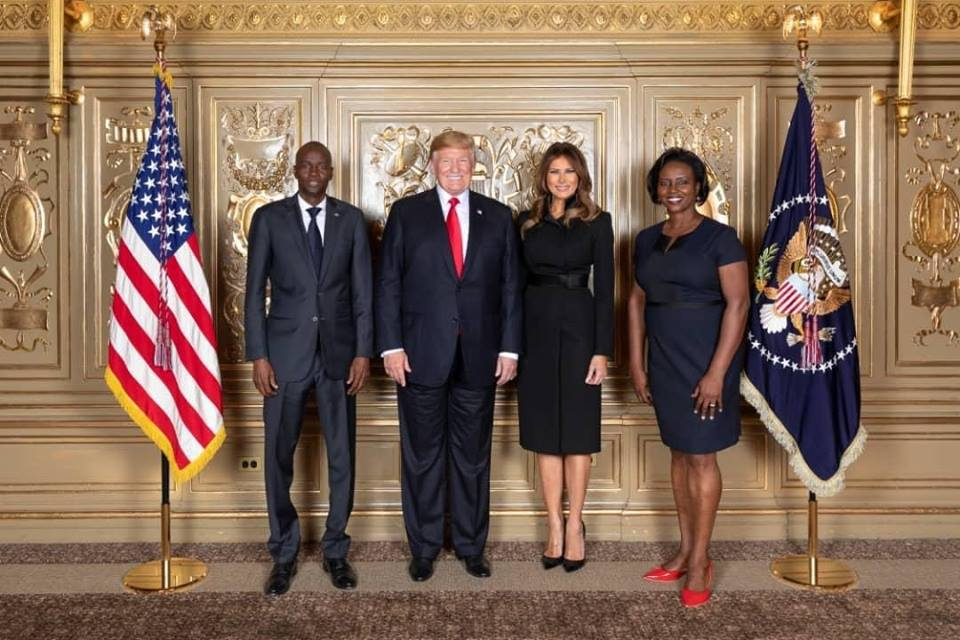
Martine Moïse, widow of Haiti’s assassinated president Jovenel Moïse, has registered as a presidential candidate. Her name appeared on the electoral council website on Sunday, placing her among 33 candidates contesting Haiti’s first presidential election since 2016.
A first-round vote is set for July next year. Elections were previously scheduled for December but were postponed due to insecurity. Jovenel Moïse led Haiti from 2017 until his death in July 2021.
The assassination and its aftermath
Jovenel Moïse was shot dead at his home in Port-au-Prince by Colombian mercenaries who impersonated agents of the United States Drug Enforcement Administration. Martine Moïse suffered serious gunshot wounds during the attack and was flown to a hospital in Florida. The killing of the 53-year-old president shocked a nation already gripped by political turmoil, and it set off a chain of events that would leave much of the capital under the control of armed gangs.
Martine Moïse was charged in connection with the assassination in 2024, but the indictment was overturned last year. 30 suspects have been indicted over the killing so far, and in September 18 people were flown from Haiti to Florida to stand trial for their alleged involvement. She has been a key witness in the Miami court case prosecuting dozens of suspects in the murder of her husband. She has not publicly commented on her registration.
A crowded and contested field
Prominent candidates include former presidents Michel Martelly and Jocelerme Privert, former prime minister Claude Joseph, and former foreign minister Dominique Dupuy. Martelly and Privert have been sanctioned internationally over accusations of supporting armed gangs, which they both deny. Martine Moïse is one of three women among the registered candidates.
Election under siege
Haiti has been plagued by chronic instability and gang violence since the assassination. A series of transitional governments followed, as armed gangs seized control of much of Port-au-Prince and surrounding regions. About 1.5 million people have been displaced, and more than 22,000 have been killed, many by security personnel. The UN Integrated Office in Haiti reports that at least 1,408 people were killed and 656 injured from April through June this year alone.
Several international forces have been deployed to Haiti to help police fight the gangs. El Salvador deployed about 2,000 soldiers last month. Last week, Haitian security forces regained control of the country’s main stadium after two years under gang control. El Salvador’s President Nayib Bukele announced that the troops would set up an operational base in the stadium.
Last week, Martine Moïse posted on X: “Haiti will rise again on its own two feet, because politics needs to be done differently.” She also blamed “the opposition” for bringing the country “to its knees.”
Sources & methods
- BBC News, reporting on Martine Moïse's registration and the assassination case
- Al Jazeera, reporting on the candidate field, security crisis, and international deployments Archived Nov 16, 2026
This article draws on two published news reports. Figures on casualties are attributed to their respective sources: the UN Integrated Office in Haiti for the April–June period, and a separate overall tally reported by Al Jazeera.