Xi and Trump meet at the White House as trade truce is extended but analysts expect few breakthroughs
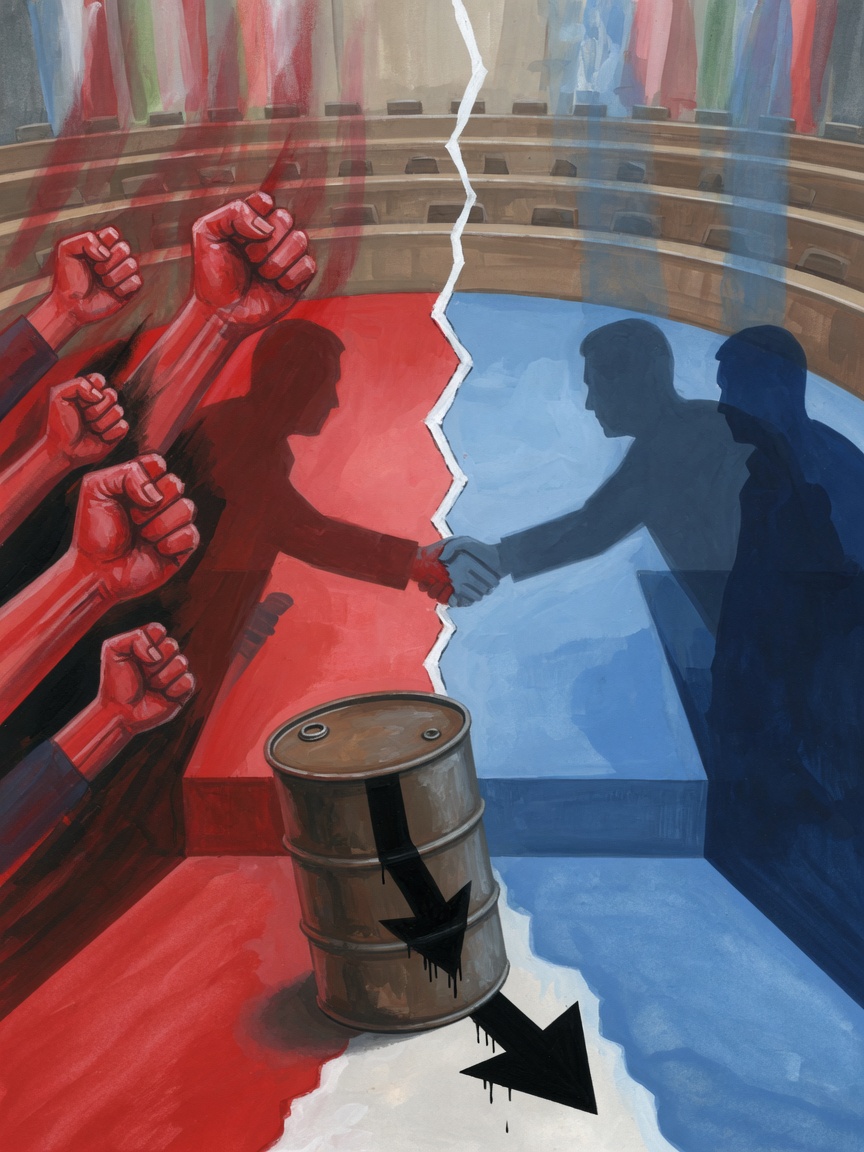
The summit extended a temporary trade truce that was set to expire in November, but analysts broadly predicted the meeting would yield few major deliverables amid unresolved tensions over tariffs, AI governance, and military rivalry.
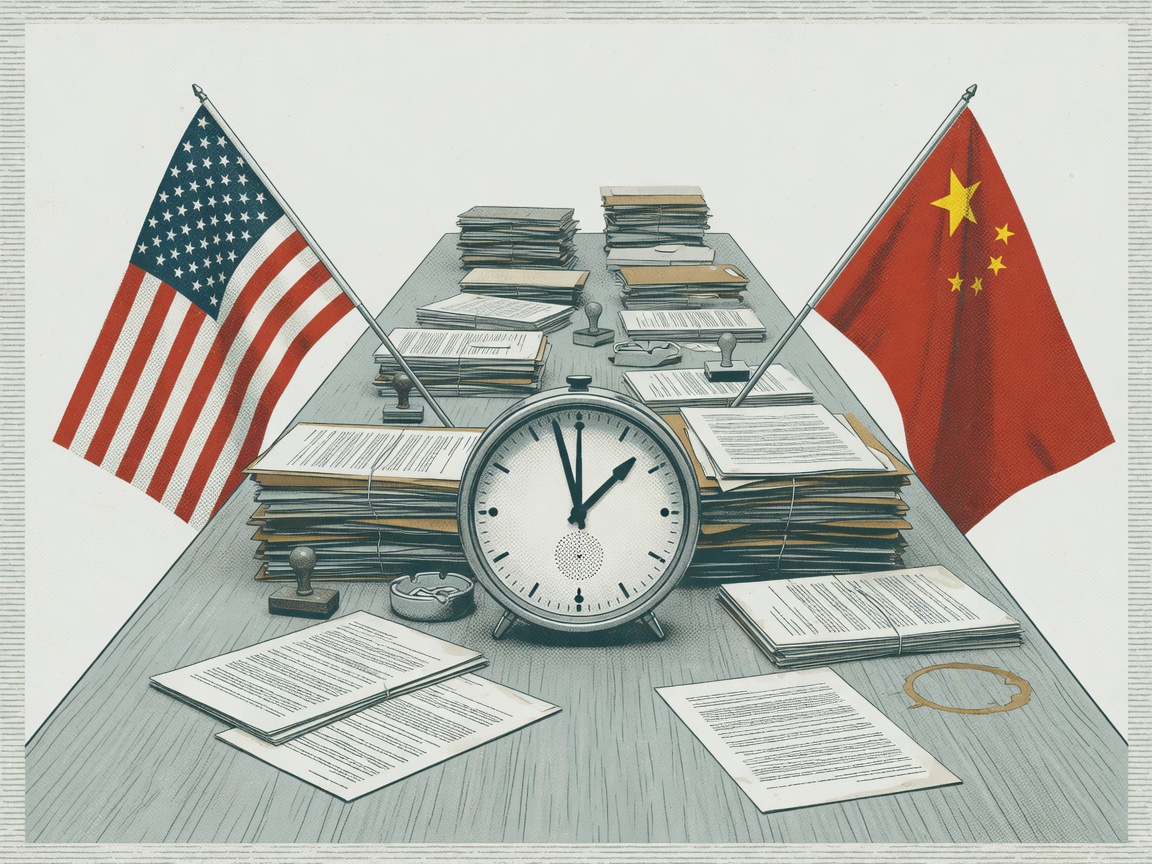
Xi Jinping met Donald Trump at the White House on Thursday for a summit framed by both leaders as a chance to steady a volatile relationship. Treasury Secretary Scott Bessent announced an extension of the temporary trade truce between the two countries, which had been set to expire in November.
The agenda included trade, artificial intelligence, and security, with Taiwan also listed as a topic of discussion. Analysts broadly predicted the summit would yield few major deliverables, citing the depth of unresolved differences on tariffs, technology controls, and strategic rivalry.
Xi frames summit as test of cooperation over confrontation
Trump and first lady Melania Trump welcomed Xi and Peng Liyuan at the White House for an arrival ceremony, with military fanfare and both countries’ national anthems. Xi’s previous state visit to the US was in 2015, when Barack Obama was president. “China and the United States, as two major countries, stand to gain from cooperation and will both lose in confrontation. Our two militaries should maintain regular dialog and improve mechanisms for crisis communication and prevention,” Xi said. Xi proposed inviting 100,000 young Americans to visit China on student exchanges. Trump said the visit comes at the 250th anniversary of America’s founding.
Trade truce extended but structural gaps remain
Trump began his second term in January 2025 and raised tariffs on Chinese goods, accusing China of facilitating fentanyl flow to the US. Beijing responded with its own levies and restricted exports of rare-earth metals. At one point tariffs were heading towards 150 percent before being paused. The truce was agreed on the sidelines of the APEC summit in South Korea on October 30, and it produced an agreement from China to buy more soyabeans and delayed the ban on rare-earth exports. Bessent told Fox News he met Chinese Vice Premier He Lifeng before Xi’s visit to discuss a bigger deal.
AI and the technology divide
Trump used the term ‘super intelligence’ to refer to AI, which he introduced in his UN general assembly speech. Trump wrote on Truth Social he wants to leave AI ‘exactly where it is’ and asserted that China’s position is also to oppose new AI regulations. The US has placed strict export controls on microchips, semiconductors, software, and chipmaking equipment to slow China’s development, according to The Guardian. Jon Bateman of the Carnegie Endowment for International Peace says a partial decoupling of US and Chinese technology ecosystems is under way, per Al Jazeera.
Analysts see extensions growing shorter
Einar Tangen, a senior fellow at the Center for International Governance Innovation, was blunt about the extension’s limits. “The two-month extension isn’t a bridge to a grand bargain – it’s a temporary sandbag holding back a structural flood,” Tangen said. Phillippe Le Corre, a professor at ESSEC Business School, noted a telling pattern. “The extensions are getting shorter and shorter, which means they haven’t found a common ground on many issues,” Le Corre said. Sun Chenghao, a fellow at the Center for International Security and Strategy at Tsinghua University, offered a more measured view. “From China’s perspective, a sustainable agreement needs reciprocal benefits and greater policy predictability,” Sun said.
A state dinner is planned in the White House’s East Room, with both leaders expected to give remarks. On Friday, the presidents and first ladies will hold a private tea and tour the National Archives before Xi’s departure. Xi announced that two pandas will be coming to Georgia’s Zoo Atlanta in the coming days.
Sources & methods
- The Guardian — report on Xi-Trump White House summit, Xi's remarks on cooperation and the Thucydides trap Archived Sep 24, 2026
- CNBC — report on summit agenda, truce extension details, AI and Iran discussions, summit schedule Archived Sep 24, 2026
- Al Jazeera — analysis of trade truce extension, tariff levels, analyst commentary from Tangen, Le Corre, and Sun Archived Sep 24, 2026
This article draws on three published reports covering the September 2026 Xi-Trump White House summit. Facts appearing in two or more sources are reported without attribution; single-source facts are attributed to the originating outlet. Direct quotes are reproduced verbatim from the source texts. Where sources disagree on the truce expiration date, the article uses the generic framing that the truce had been set to expire in November.