Zelensky rebukes Trump’s Putin friendship in BBC interview as Kyiv floats Black Sea ceasefire
The Ukrainian president called Putin an aggressor and a killer who cannot be a friend, while his government proposed a Black Sea ceasefire to safeguard grain exports.
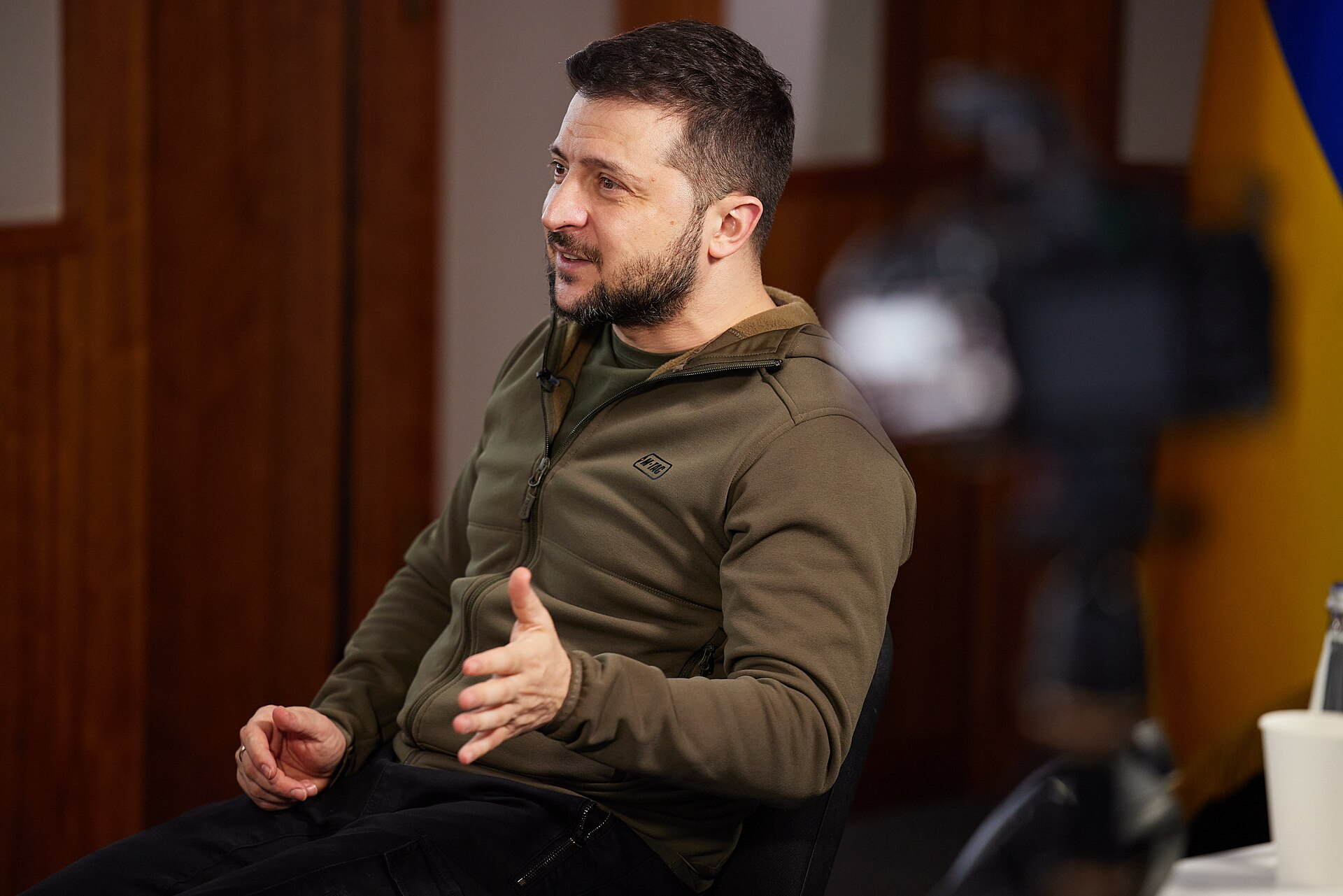
Volodymyr Zelensky used a BBC interview on Friday to publicly criticise Donald Trump for describing Vladimir Putin as a friend, declaring the Russian president an aggressor and a killer who cannot be a friend. The remarks, delivered in English from his central Kyiv office, laid bare Ukraine’s frustration with US mediation even as his government moved to keep a separate diplomatic channel alive.
On the same day, Ukraine presented a proposal for a ceasefire in the Black Sea to protect grain exports. Foreign Minister Andrii Sybiha announced the initiative during the Food from Ukraine conference, framing it as a practical step to secure commercial shipping amid escalating attacks on port infrastructure.
Zelensky did not hold back. He called it strange that Trump posted a photo of himself embracing Putin, and compared being friends with the Russian leader to saying you were friends with Adolf Hitler during World War Two. The interview followed a summit between Trump and Putin in China the previous week. Zelensky rejected the premise of neutrality in such dealings, arguing that trying to be neutral with an aggressor means supporting both victims and the aggressor. “When you try to be very neutral with the aggressor... it means you support victims and you support also aggressor. It’s not right,” he said. The US maintains it is neutral in the search for a peace deal that can hold between the two sides.
Trump’s two envoys, Jared Kushner and Steve Witkoff, have been trying to negotiate a peace deal between Russia and Ukraine, though they often appear more aligned with Moscow’s position than Kyiv’s. On Wednesday, Kushner said Putin had shown restraint by not using nuclear weapons in Ukraine and described Putin as a grand master of politics. The latest round of peace talks in Abu Dhabi earlier in the month made no obvious progress, and Russia has taken hardline negotiating positions across the board. Zelensky said talks were expected to resume in December, though he noted it was not clear whether European negotiators would be at the table.
Zelensky also warned that delays in delivering anti-ballistic missiles were costing Ukrainian lives. He described a very, very big deficit of interceptors to stop ballistic missiles and said the Americans were delaying deliveries of those interceptors. “The deficit of these missiles — that is people’s lives,” he said. He noted that Ukraine’s military can now destroy about 70% of Russia’s fastest drones, a figure he said was improving. Still, the number of civilians being killed is at an all-time high, and recent attacks on Kyiv have targeted bridges.
Black Sea ceasefire proposal
Sybiha said Kyiv was ready to restore freedom of navigation and ensure uninterrupted export of agricultural products. Moscow has sought to include oil transportation in the proposed ceasefire deal, but Ukrainians say that belongs in a broader energy ceasefire. Sybiha accused Russia of repeatedly putting forward unrealistic demands in response to Kyiv’s proposals. “We are now awaiting a response from Russia. All of our proposals have been conveyed,” he said, according to Ukraine’s national broadcaster Suspilne.
A previous UN- and Turkiye-brokered agreement allowed Ukrainian grain exports to resume after Russia’s full-scale invasion in February 2022. Moscow withdrew from the grain deal in July 2023, prompting Kyiv to establish an alternative maritime export corridor. Ukrainian grain exports had fallen 76% year-on-year as of August, as shipowners avoided ports in the Odesa region following repeated Russian strikes. On October 31, US Secretary of State Marco Rubio said Washington was reviewing proposals from Turkiye and India to facilitate uninterrupted grain and energy shipments. After talks in Florida on Wednesday, NATO Secretary-General Mark Rutte called on Russia to avoid actions that could expand the war. Rutte stressed that any eventual peace agreement or long-term ceasefire must include security guarantees for Ukraine.
Trump posted on Truth Social that he had urged Russia to pull back all military aggression against territories throughout Europe, and said he believed a peace deal was a strong possibility.
Sources & methods
- BBC News interview with President Volodymyr Zelensky, conducted at his central Kyiv office Archived Nov 27, 2026
- Al Jazeera reporting on the Black Sea ceasefire proposal and the Food from Ukraine conference, citing Foreign Minister Andrii Sybiha and Suspilne Archived Nov 27, 2026
This article draws on a BBC interview with President Zelensky and Al Jazeera reporting on Ukraine’s Black Sea ceasefire proposal. Direct quotes are drawn verbatim from the source texts.