Zelensky rebukes Trump’s Putin friendship as Kyiv floats Black Sea ceasefire proposal
In a BBC interview, Ukraine’s president called Trump’s warmth toward Putin ‘strange’ and said an aggressor and killer cannot be a friend, the same day Kyiv presented a Black Sea ceasefire proposal now awaiting Moscow’s response.
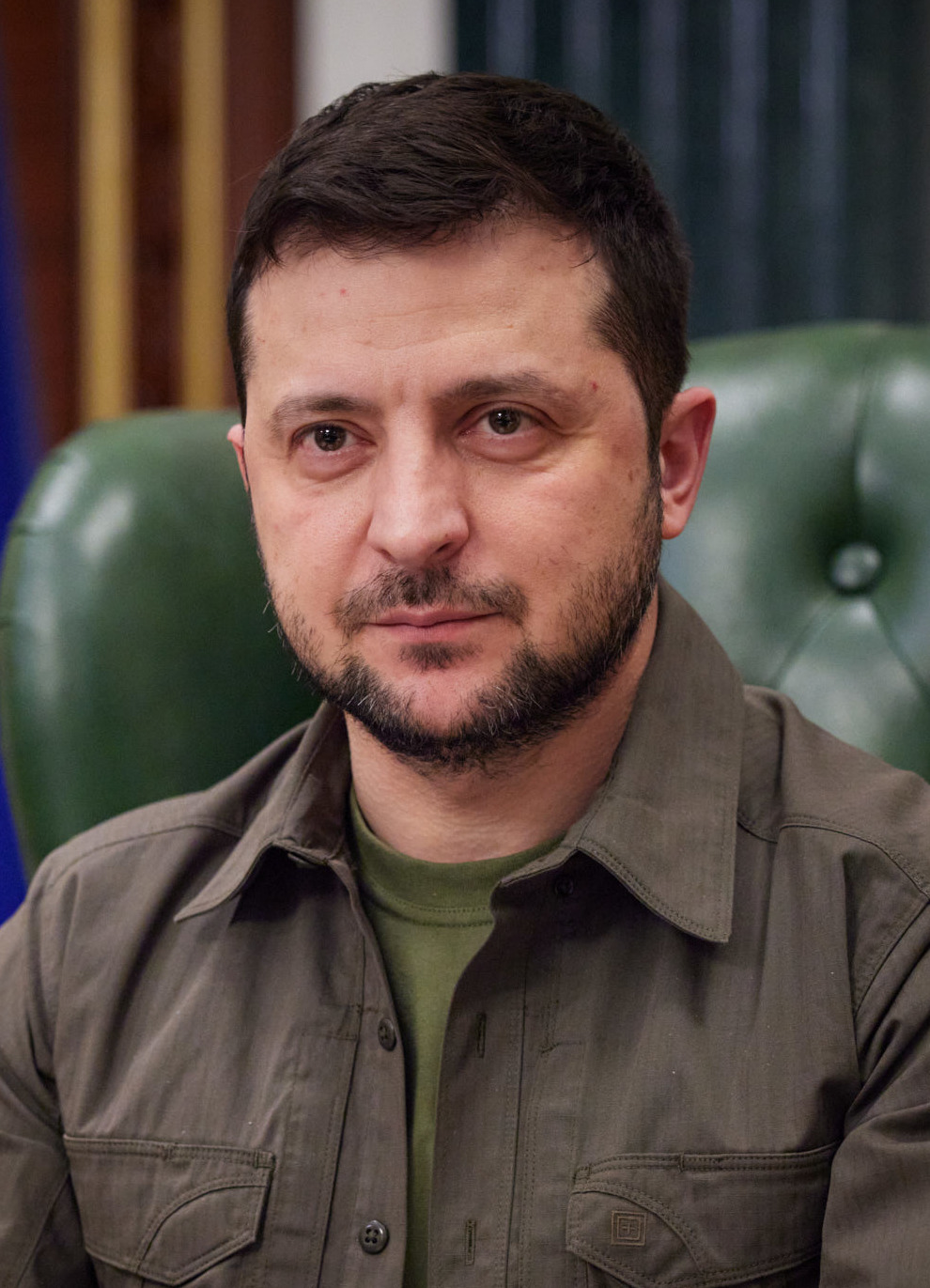
President Volodymyr Zelensky told the BBC it is “strange” for Donald Trump to call Vladimir Putin a friend, declaring the Russian leader an aggressor and a killer who cannot be one. “He’s an aggressor, and a killer... He can’t be a friend. Just cannot be,” Zelensky said in the interview, a pointed critique that landed the same day Ukraine presented a Black Sea ceasefire proposal now awaiting Russia’s response.
Zelensky argued that trying to be neutral with an aggressor means supporting both victims and the aggressor, which he said is not right. He compared friendship with Putin to friendship with Adolf Hitler during World War Two. Trump, pressed by reporters on Thursday about calling Putin a friend, offered a different framing. “We want to stop killing. I could say he’s not a friend... I want to make a deal,” Trump said. He added that the biggest problem to a settlement is “you have two leaders that really hate each other.” Trump and Putin had met in China the previous week, where, according to a Truth Social post, the US president urged Russia to “pull back all military aggression” and said he believed a peace deal was “a strong possibility.”
Black Sea ceasefire on the table
Foreign Minister Andrii Sybiha announced the Black Sea ceasefire proposal on Friday during the “Food from Ukraine” conference, saying Kyiv was ready to restore freedom of navigation and ensure the uninterrupted export of agricultural products. “We are now awaiting a response from Russia. All of our proposals have been conveyed,” Sybiha said. Moscow has sought to include oil transportation in the deal, but Ukraine says that issue belongs in a broader energy ceasefire. Russia has been accused of repeatedly putting forward “unrealistic demands” in response to Kyiv’s proposals, according to Ukraine’s national broadcaster Suspilne.
A previous UN- and Turkiye-brokered agreement allowed Ukrainian grain exports to resume after Russia’s full-scale invasion began in February 2022. Moscow withdrew from that arrangement in July 2023. As of August, Ukrainian grain exports had fallen 76 percent year-on-year as shipowners avoided ports in the Odesa region following repeated Russian strikes. On October 31, US Secretary of State Marco Rubio said Washington was reviewing proposals from Turkiye and India to facilitate uninterrupted grain and energy shipments.
Peace track going nowhere
Trump’s envoys Jared Kushner and Steve Witkoff have been trying to negotiate a peace deal between Russia and Ukraine. Kushner said on Wednesday that Putin had shown “restraint” by not using nuclear weapons and described the Russian president as a “grand master of politics.” The latest round of peace talks in Abu Dhabi earlier in November made no obvious progress. Zelensky said talks were expected to resume in December. Russia appears to have regressed to its initial hardline negotiating positions, per public statements. It was not clear whether European negotiators would be at the table, as the US envoys had announced.
Strikes intensify as Kyiv braces
Russian strikes across Ukraine have been growing more frequent and more deadly, with civilian deaths at an all-time high. Zelensky said Ukraine’s military can now destroy about 70 percent of Russia’s fastest drones, a figure he said was improving. But he described a “very, very big” deficit of interceptors for ballistic missiles and said the US was delaying deliveries of Patriot systems. “The deficit of these missiles — that is people’s lives,” he said. Starlink and its military version Starshield were still being restricted in occupied areas of Ukraine, a situation Zelensky described as a bureaucratic back-and-forth. Recent attacks on Kyiv have targeted bridges over the Dnipro river, apparently trying to cut the city in two. Some residents have left town for the winter and businesses closed due to power cuts and strikes on logistics networks. Zelensky said Russia “wants us to run away” and pledged that “we will try to defend our capital in any way.”
Putin attended a flag-raising ceremony for a new nuclear-powered submarine claimed to be the first equipped with Russia’s Zircon hypersonic missile, and said he was confident plans to build a powerful naval force would be implemented on time. After talks in Florida on Wednesday, NATO Secretary-General Mark Rutte called on Russia to avoid actions that could expand the war and stressed that any peace agreement must include security guarantees for Ukraine. According to the BBC, Italy’s Prime Minister Giorgia Meloni said an attack that sank a Russian warship docked in eastern Libya risked spreading war to the Mediterranean. Zelensky, in the same BBC interview, defended sinking the Russian warship Merkury, calling it an “absolutely fair goal.”
Sources & methods
- BBC News interview with President Volodymyr Zelensky and related BBC reporting Archived Nov 27, 2026
- Al Jazeera reporting on the Black Sea ceasefire proposal and naval developments Archived Nov 27, 2026
Reporting based on a BBC interview with President Zelensky and Al Jazeera coverage of the Black Sea ceasefire proposal, cross-referenced against the fact ledger for corroboration.