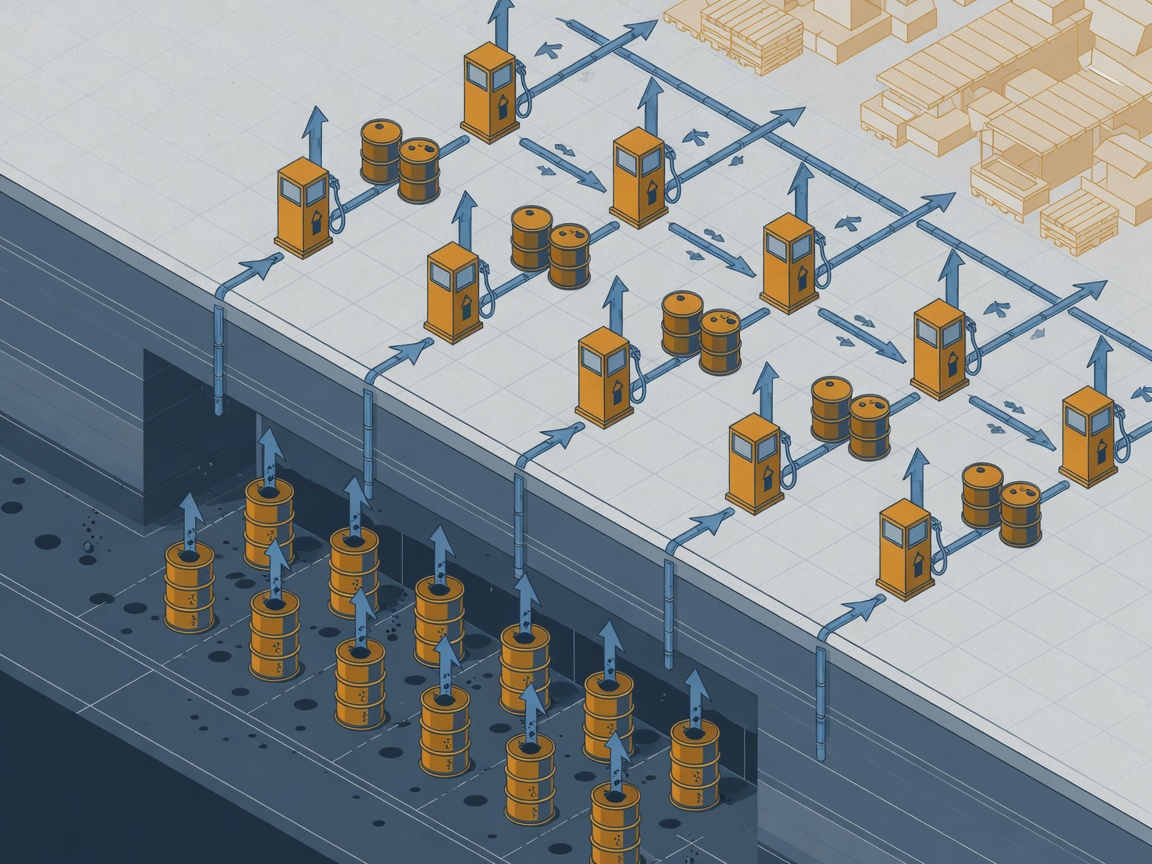
G7 nations agree to release 100 million barrels of emergency oil and diesel reserves
The coordinated four-month deployment, announced after a video call convened by French President Emmanuel Macron, pairs a frontloaded diesel release with a G7 commitment to refrain from export restrictions.
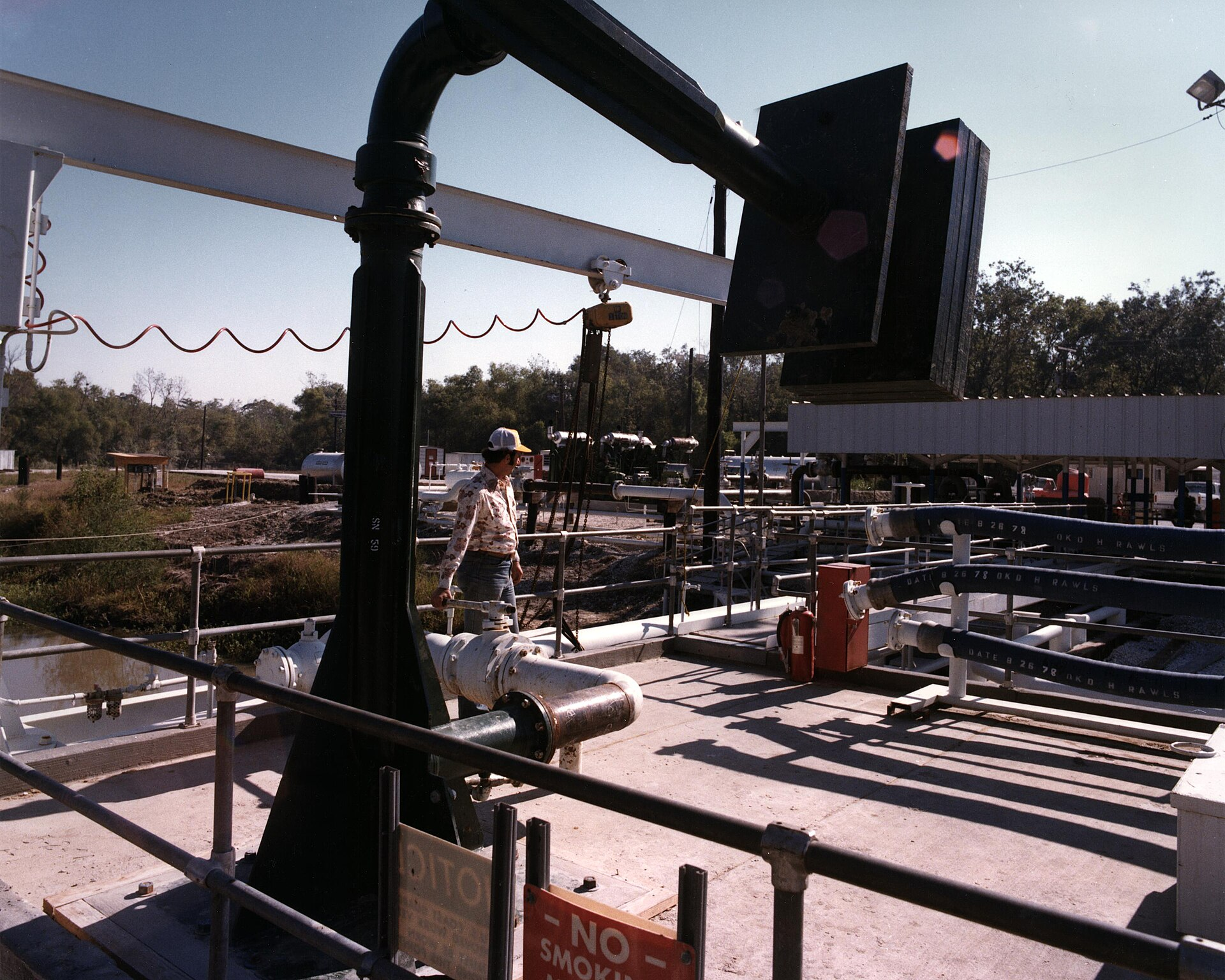
G7 nations agreed to release up to 100 million barrels of emergency oil and diesel reserves, coordinated through the IEA. The deployment begins immediately. It runs over four months. The agreement includes a frontloaded substantial diesel release within the first 20 days by G7 members and partners.
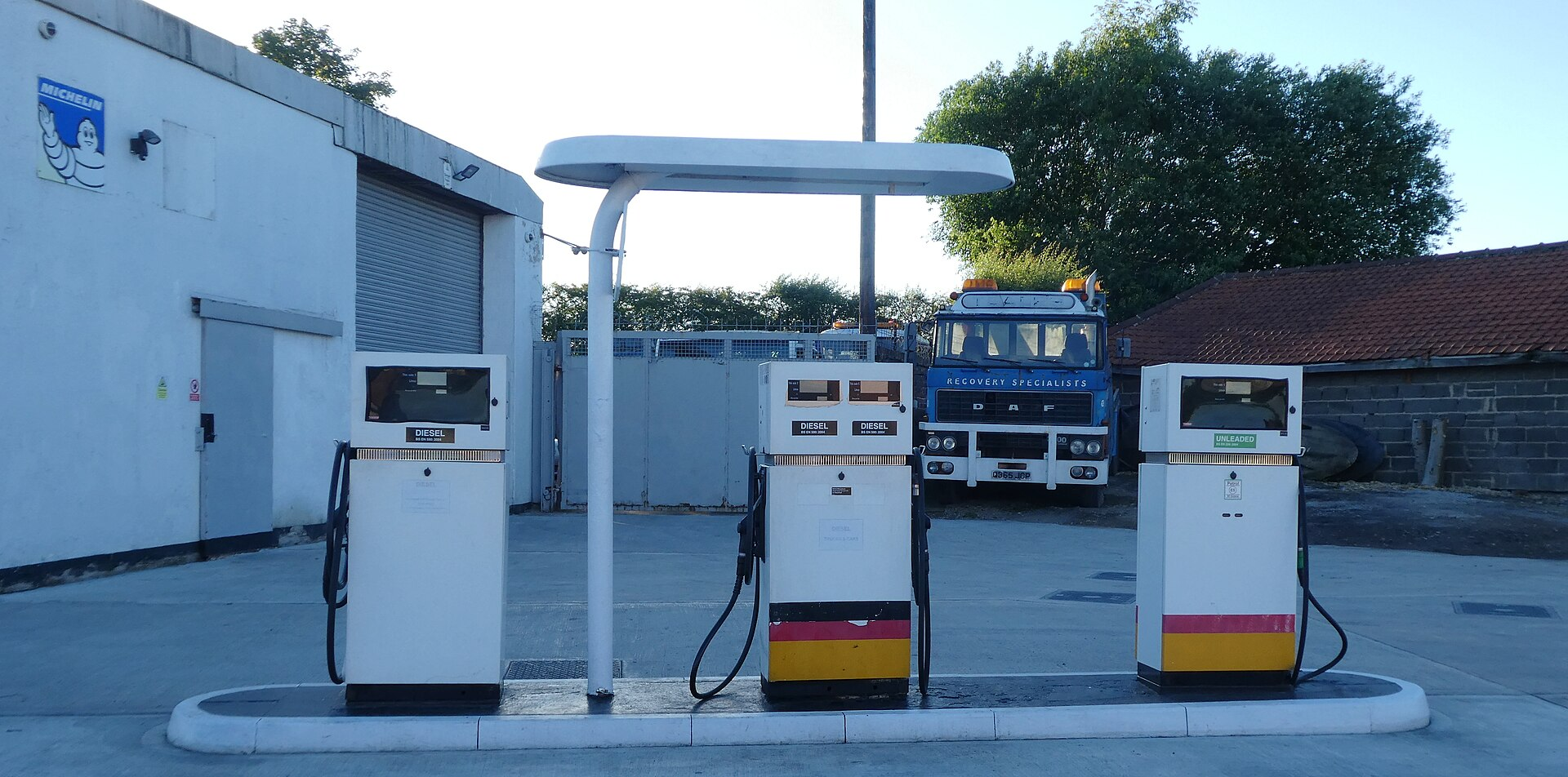
The global fuel supply crisis is driven by Ukraine’s attacks on Russian refineries and disruptions in the Middle East from the Iran war. Brent crude was trading above $100 a barrel on Friday, compared with around $72-73 before the Iran war. UK diesel prices at the pump topped £2 a litre for the first time on Friday. US diesel prices hit record highs in September, climbing above $5.85 a gallon for the first time in early September and averaging $6.37 a gallon on Friday. Macron said the coordinated action would bring down the prices of petroleum products, particularly diesel. He convened the leaders’ video call to discuss the global surge in diesel prices. France currently holds the G7 presidency.
Trump backs away from export-ban threat
Trump threatened last week to ban US diesel exports unless European countries released their own stockpiles, a move the US oil industry and broader business community staunchly oppose. On Friday, he said on social media that Europe had agreed to release a massive amount of their heavily stocked diesel oil and that the process would begin immediately. Trump later said an export ban was never really on the table. G7 leaders agreed to refrain from export restrictions on energy and energy products between member countries. Macron said Trump was very clear on the commitment to no export bans. “We have all committed together to releasing these strategic reserves in the proportions I mentioned, with a focus on diesel, and we are all committed to ensuring there are no export bans, and President Trump, in particular, was very clear on this point,” Macron said. EU trade chief Maros Sefcovic discussed diesel supplies and soaring prices with US Trade Representative Jamieson Greer. Sefcovic said any US move to restrict diesel exports would have a negative impact on Europe’s economic outlook. The G7 called on all producers to refrain from imposing bans that could exacerbate market tensions.
The diesel trade web binding the US and Europe
The US produces roughly four to five million barrels of diesel per day, according to the US Energy Information Administration, consumes about 3.6 million, and exports the remaining 1.2 to 1.5 million barrels per day to the global market. The US supplied around half of EU diesel imports in August, according to the IEA. Over half of UK diesel is imported. Some 31% of those imports come from the US. Europe produces about 70% of the diesel it consumes from domestic refineries but relies on imports to make up the shortfall. US distillate stockpiles fell to their lowest seasonal levels since 1996. The US exported a record 1.9 million barrels a week to overseas buyers in early August. Russian fuel output has fallen to 20-year lows due to Ukrainian attacks on refineries.
March pledges and compliance friction
The IEA agreed in March to release 400 million barrels of emergency crude and refined products to address supply disruption from the Iran war. Europe pledged 107 million barrels, 68% of which was fuel. The US pledged 172 million barrels, all crude. Asia and Oceania made 108 million barrels available. Another 23 million came from the Americas. Energy Secretary Chris Wright said several European countries released only a fraction of what they pledged, while the US and Japan are delivering on their commitments. The Department of Energy announced the release of up to 40 million barrels of crude under US March commitments. Bessent pressed Europe on Thursday to accelerate delivery on existing commitments and make additional supplies immediately available.
Next steps and market reaction
G7 leaders will convene in the context of the IEA in the coming days to discuss the possibility of additional diesel releases as necessary. The G7 will coordinate maintenance schedules to avoid multiple refineries being shut down at the same time, and encouraged countries with the capacity to do so to ramp up refining of diesel in particular. Matt Smith of Kpler said oil prices were selling off on the stock release news but reversed course on rumours of Saudi Arabia planning an offensive into Yemen to re-establish a safe path via Bab-Al Mandeb.
Trump is facing mounting political pressure over soaring fuel prices ahead of November midterm elections. Bessent argued US farmers, truckers, and businesses should not be left carrying the burden as prices soar. The UK was represented at the meeting by Foreign Secretary Ed Miliband. The cost of filling an average family car in the UK is now £110, according to the RAC, nearly £32 more than before the Iran war.
Sources & methods
- BBC News, reporting on the G7 joint statement, Trump's social media posts, and diesel trade data from the US Energy Information Administration Archived Oct 3, 2026
- CNBC, reporting on G7 announcements, IEA pledge data, US Energy Secretary Chris Wright's remarks, and EU trade chief Maros Sefcovic's comments Archived Oct 3, 2026
- The Guardian, reporting on Macron's remarks, the leaders' video call, IEA March release context, and UK pump price data from the RAC Archived Oct 3, 2026
Reporting based on the G7 joint statement, remarks by French President Emmanuel Macron and US officials, IEA data on diesel supply and March pledge commitments, US Energy Information Administration figures, RAC motoring group data, and market analysis from Kpler.