Paramount completes $110 billion acquisition of Warner Bros. Discovery, forming Skydance Corp
The merger combines two of Hollywood’s last five legacy studios after a bidding war with Netflix and a multi-jurisdiction regulatory fight, creating a company with nearly $70 billion in annual revenue.
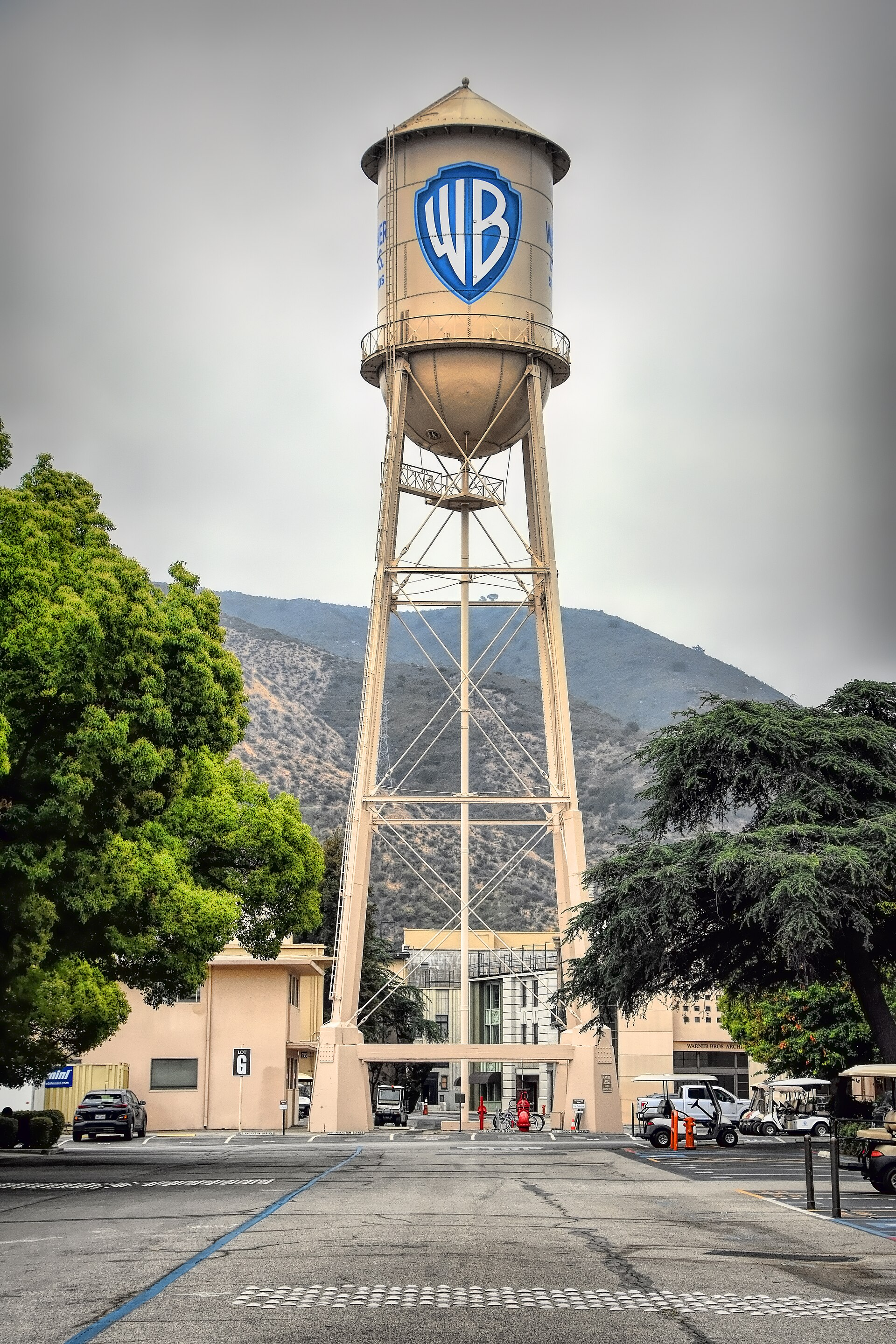
Paramount completed its $110 billion acquisition of Warner Bros. Discovery on Tuesday, forming a combined company named Skydance with David Ellison as chairman and CEO.
The merger combines two of Hollywood’s last five legacy studios — alongside Disney, Universal Pictures and Sony Pictures — into a company with nearly $70 billion in annual revenue and nearly one-third of basic cable programming. Ynon Kreiz, former CEO of Mattel, serves as co-CEO, focusing on day-to-day operations while Ellison focuses on strategy and technology. The Ellison family is Skydance’s largest shareholder, backed by the fortune of Larry Ellison, co-founder of Oracle, whose net worth is $193 billion per Bloomberg.
Ellison called the completion historic. “From the start, our ambition was to bring these two storied studios together and create a stronger competitor, with the talent, resources, and reach to tell great stories in every genre, on every platform, for audiences everywhere,” he said. “Now that ambition is a reality.”
How Paramount won the bidding war
The bidding war began in earnest on Dec. 5, 2025, when Netflix announced a deal to acquire WBD’s film and streaming assets worth nearly $83 billion. Three days later, Paramount launched a hostile bid with an all-cash, $30-per-share offer for the entirety of WBD. WBD rejected Paramount’s offer on Jan. 7, 2026, and its board unanimously recommended shareholders stick with Netflix. Paramount sued WBD and CEO David Zaslav on Jan. 12, 2026, demanding more transparency in how the company chose Netflix. Netflix amended its offer on Jan. 20, 2026, switching to all-cash at $27.75 per share. The pressure kept building. On Feb. 10, 2026, Paramount agreed to pay the $2.8 billion breakup fee owed to Netflix and added a ticking fee that would compensate WBD shareholders if regulatory delays held up the deal. Netflix granted WBD a seven-day waiver on Feb. 17, 2026, to reopen talks with Paramount. One week later, Paramount increased its offer to $31 per share in cash. Netflix’s deal fell through on Feb. 26, 2026, after the company declined to match. A definitive merger agreement followed in February 2026. WBD shareholders approved the acquisition on April 23, 2026.
Regulatory hurdles and settlement terms
The Department of Justice approved the merger on June 12, 2026, but 12 US states sued to block it on July 13, 2026, led by California’s Rob Bonta. EU antitrust regulators approved on July 22, 2026, with concessions requiring Paramount to divest its stake in United International Pictures and forgo film distribution deals with Universal in Europe for 10 years. Facing a restraining order, Paramount agreed on July 24, 2026 to delay closing to as late as June 2027. The settlement with state attorneys general, reached on Sept. 21, 2026, came less than two weeks before a ticking fee would kick in. It requires Skydance to release a minimum of 30 films and more than 180 television shows each year. The company must also spend at least $300 million more on US production than the companies’ combined prior-year spend, and keep 20% of film production in the US for the first two years, rising to more than 30% for the following three. Strict guardrails against AI-generated films are included, and if the production quota is missed, Paramount must sell its 49% stake in Miramax. CBS News and CNN must maintain independent editorial boards, Paramount agreed to establish a news editorial independence board, and a trustee will monitor compliance. “This settlement is not a vote of support for this merger; it’s not a blessing of the broader merger,” Bonta said.
What the combined company holds
The combined company controls major franchises including The Lord of the Rings, Game of Thrones, the DC Universe, Harry Potter, and Yellowstone, adding to Paramount’s existing catalogue of Indiana Jones, Mission: Impossible, and Shrek. Its networks span HBO, CBS, CNN, Comedy Central, Food Network, Nickelodeon, MTV, Showtime, and TBS, while the Paramount+ and HBO Max streaming platforms are now housed under one corporate parent. Casey Bloys, who led HBO and Max content, will serve as co-chair and chief content officer for direct-to-consumer content. Mark Thompson continues as CEO of CNN Worldwide, and Bari Weiss remains editor-in-chief of CBS News. Skydance Class B shares trade on the New York Stock Exchange under the ticker SKYD.
Financial pressures ahead
Dan Coatsworth, head of markets at AJ Bell, said the combined entity needs to cut costs and make bigger profits to get debt down to more manageable levels, particularly at a time when interest rates are high. He noted that the Tom Cruise movie Digger, Warner Bros’ last release before the merger, was a major flop — a reminder, he said, that the film industry is not a guaranteed ticket to riches. Mike Proulx, research director at Forrester Research, said the HBO leadership team is now in charge of the combined streaming operation, and Bloys will be pressured to find cost efficiencies that could affect content quality. The deal has faced criticism over feared cuts and consolidation that could harm competition and consumers.
Sources & methods
- BBC News, reporting on the merger's completion, executive appointments, settlement terms, and analyst commentary Archived Oct 6, 2026
- CNBC, providing the detailed timeline of the bidding war, regulatory approvals, and deal terms Archived Oct 6, 2026
- The Guardian, reporting on the settlement terms, editorial independence requirements, and the Ellison family's backing Archived Oct 6, 2026
- The Verge, reporting on the settlement with 12 states and US production requirements Archived Oct 6, 2026
- TechCrunch, reporting on the streaming platforms, franchises, annual revenue, and share listing Archived Oct 6, 2026
Reporting drawn from five published sources covering the merger’s announcement, bidding timeline, regulatory proceedings, settlement terms, and analyst commentary. Quotes verified against source texts.