Attorney General Blanche defends DOJ suit to block Alaska Senate certification as Trump claims credit and experts call the case remarkably weak
The lawsuit, filed 11 days before the election, asks a federal court to block Alaska from certifying results if Republican Sen. Dan Sullivan loses, citing voter confusion from a second candidate named Sullivan.
Attorney General Todd Blanche defended the Justice Department’s pre-emptive lawsuit seeking to block certification of Alaska’s Senate election results if the Republican incumbent loses, appearing on CNN’s State of the Union and CBS’s Face the Nation on Sunday.
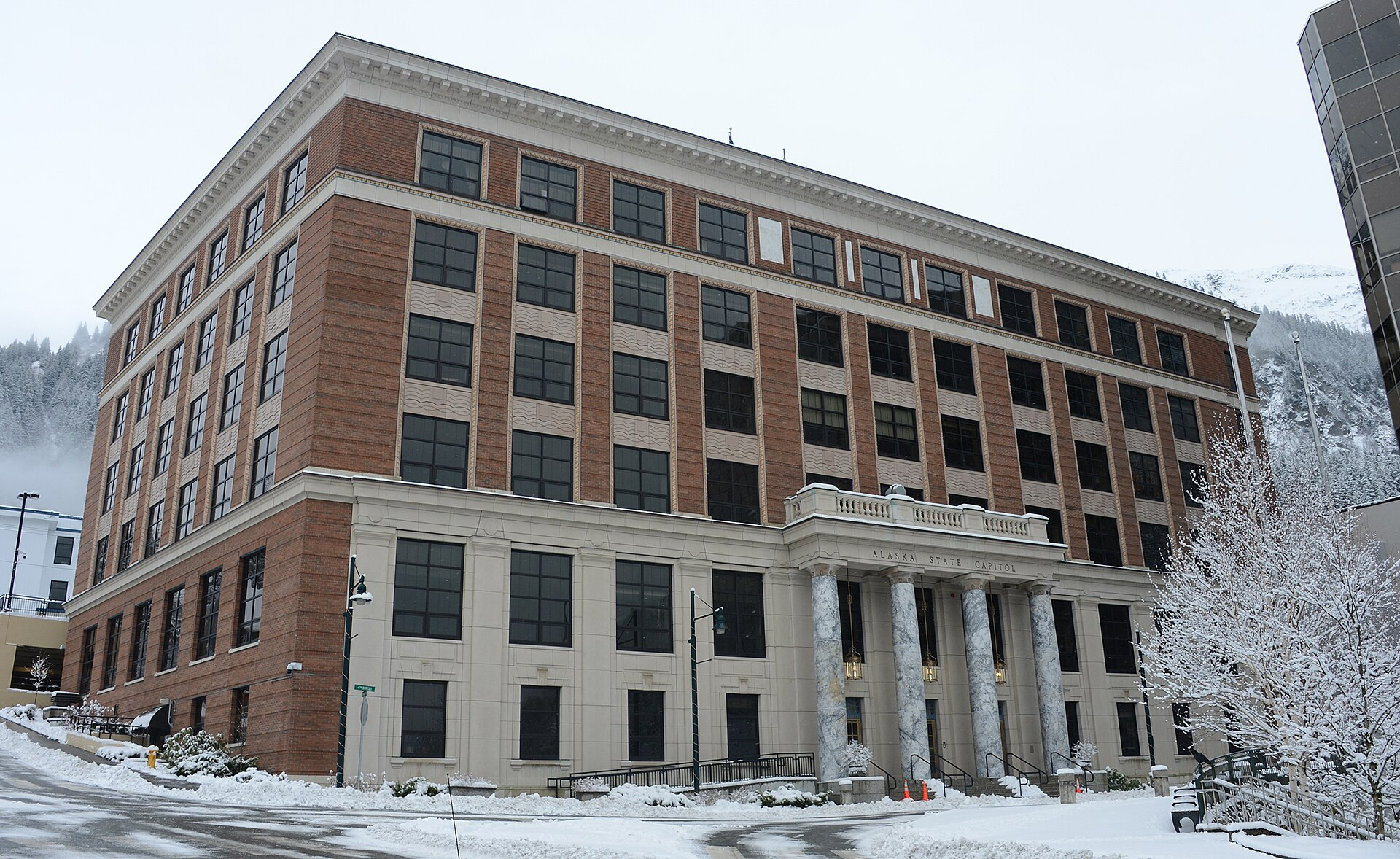
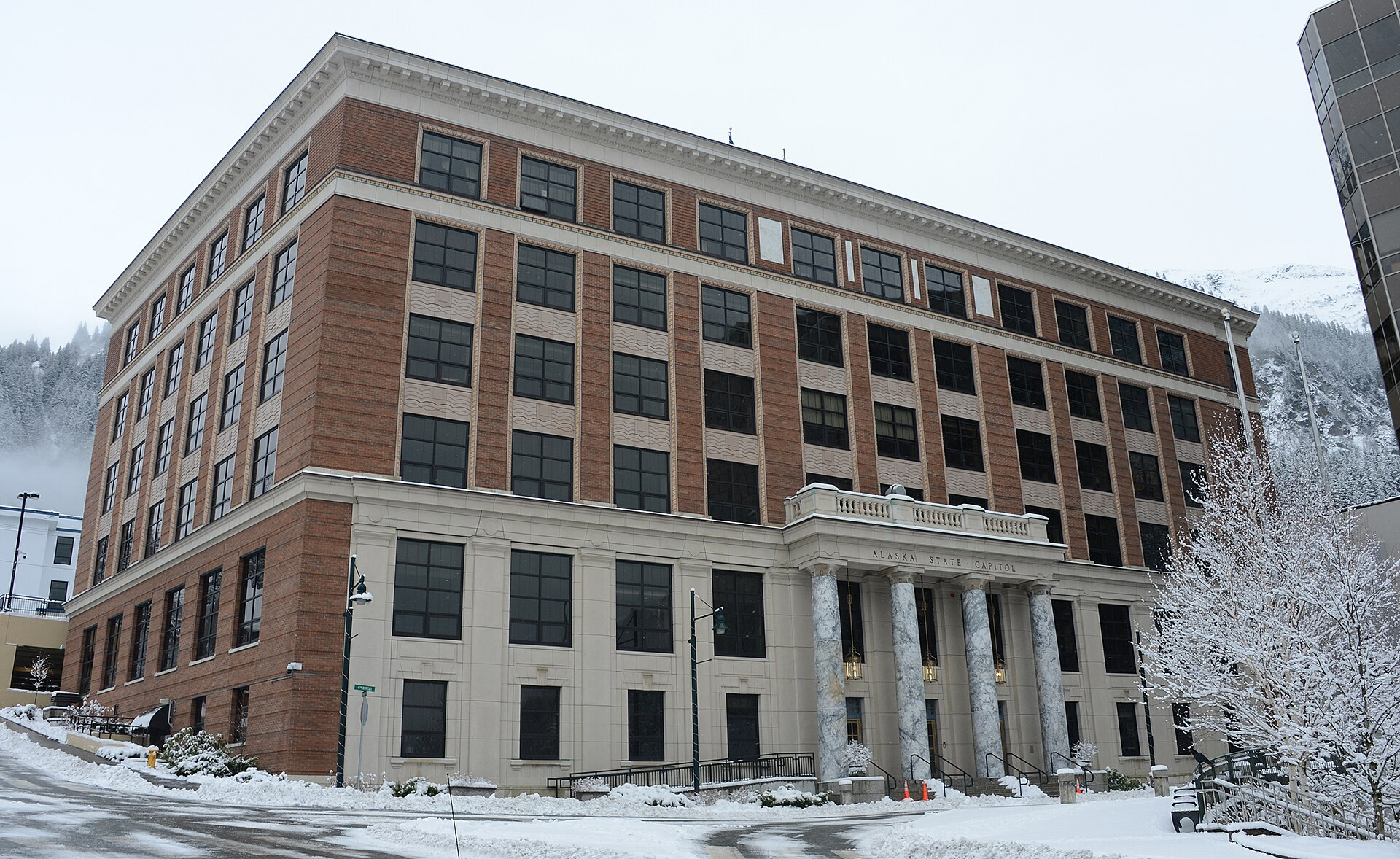
The suit was filed late Thursday in federal court in Alaska and cited the National Voter Registration Act. It asks a federal court to block the state from certifying results that may be affected by voter confusion over two candidates named Sullivan on the ballot. Trump told reporters in Florida on Friday that he ordered the case. “I’m the one that said do it,” he said. The election is scheduled for Nov. 3, meaning the suit was filed 11 days before polls close, according to David Becker, executive director of the Center for Election Innovation & Research.
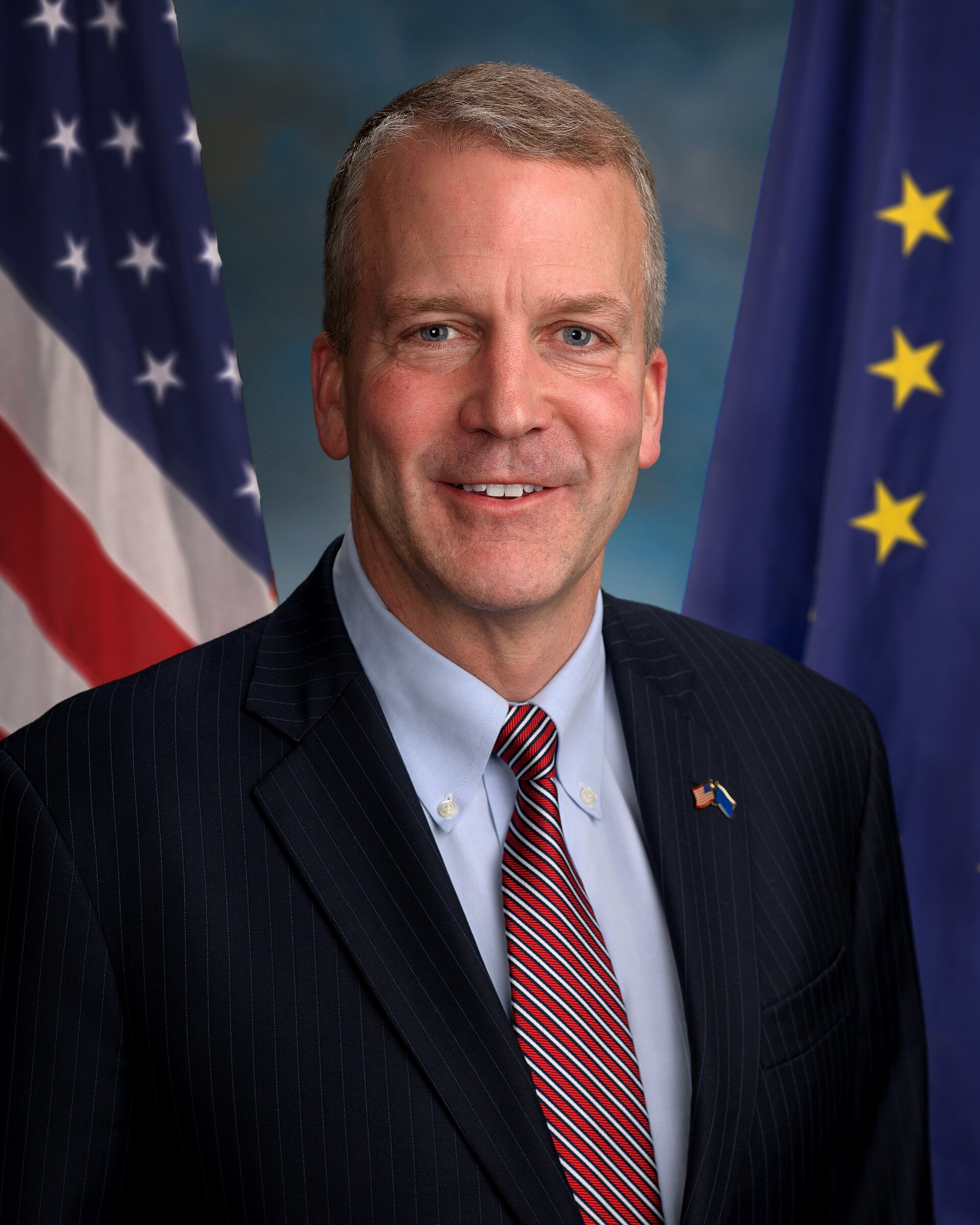
The Republican incumbent, Sen. Dan Sullivan, faces Democratic candidate Mary Peltola, a former congresswoman, and Daniel J. Sullivan, a retired schoolteacher from Petersburg whose name closely resembles the senator’s. State officials moved to distinguish the two men: the senator appears on the ballot as “Dan S. Sullivan,” marked as a registered Republican and the incumbent, while “Daniel J. Sullivan Jr.” carries no party label. Alaska’s ranked choice system allows voters to rank both candidates. In the August primary, the senator won more than 68,000 votes to the other Sullivan’s 4,107. Republicans accused Daniel J. Sullivan of running as a spoiler to divert votes from the incumbent, but he said the decision to run was his own and denied his candidacy was intended to confuse voters or siphon votes. A state court and the Alaska Supreme Court kept Daniel J. Sullivan on the ballot after Republican election officials sought to remove him on grounds his candidacy was intended to mislead voters. Blanche said that Alaska court decision “explicitly didn’t consider federal law.” Sen. Lisa Murkowski, Alaska’s other Republican senator and a backer of her colleague’s reelection, said on social media that the state had already distinguished the candidates and the department should not have sued.
Blanche: ‘Not laying any groundwork’
Pressed on CNN about whether the suit was positioning Trump to overturn a result he did not like, Blanche was firm. “We’re not laying any groundwork for the president to do that,” he told anchor Dana Bash. “President Trump is not trying to take over a state election in any way, shape, or form,” he added. Blanche framed the case as a test of whether Alaska had violated federal law and the Constitution by permitting a potentially confusing ballot process. “It is an obligation of the states to avoid confusion, among other things, confusion in the minds of voters in the election process,” he said. He insisted the more precise demand for relief is “to not certify if the law is broken,” and that it would ultimately be a question for Alaska and its courts to settle. Earlier in the week, Blanche had said the Justice Department could get involved in the vote certification process in a “doomsday” scenario. The suit asked for certification to be blocked after the election until the government has investigated whether votes for Daniel J. Sullivan were intended for the senator.
The January 6 comparison
The exchange grew heated when Bash raised the comparison to the aftermath of the 2020 election and the January 6 attacks on the Capitol. “Oh, you got to stop it with that. You are not being a real person. Come on, man,” Blanche replied, calling the suggestion “crazy.” He said it was “so embarrassing” for CNN that the discussion had turned to January 6. Bash pushed back: “I would have said that before January 6.” A bipartisan Senate report said there were seven deaths in relation to the January 6 incident. Blanche also appeared irked during an interview with Margaret Brennan on CBS’s Face the Nation after she asked whether Trump directed him to file suit. “Well first of all, let me correct you, OK,” Blanche said. “You described facts that were just simply either at best misleading, but really a lie to your viewers.”
Experts call the case weak
Election law experts were blunt in their assessments. Derek Mueller, a law professor at the University of Notre Dame, wrote in a blogpost: “The legal claim is so absurdly thin, there’s essentially no likelihood of success.” Richard H. Pildes, a law professor at New York University who focuses on elections, told the New York Times: “It is one of the weakest election lawsuits I’ve ever seen.” Pildes added, “It should have no realistic chance of success in the courts.” Becker called the suit “an unprecedented intervention by the federal government” that “raises serious concerns about political interference,” and said he could not remember ever attempting to stop the certification of an election 11 days before polls close. The lawsuit was signed by Associate Attorney General Stanley Woodward, who had represented several people accused of participating in the January 6 attack before joining the department. The DOJ has not clarified how it would determine voter intent given the secret nature of the ballot.
Sources & methods
- NPR, reporting on Blanche's Sunday interviews and the DOJ lawsuit seeking to block Alaska's Senate certification Archived Oct 25, 2026
- The Guardian, reporting on Blanche's CNN and CBS appearances, expert assessments, and Trump's claim of directing the suit Archived Oct 25, 2026
Reporting based on two published accounts of Attorney General Todd Blanche’s October 25, 2026, television interviews on CNN’s State of the Union and CBS’s Face the Nation, corroborated against court filings, public statements by Trump and Sen. Murkowski, and expert commentary from law professors and election officials.