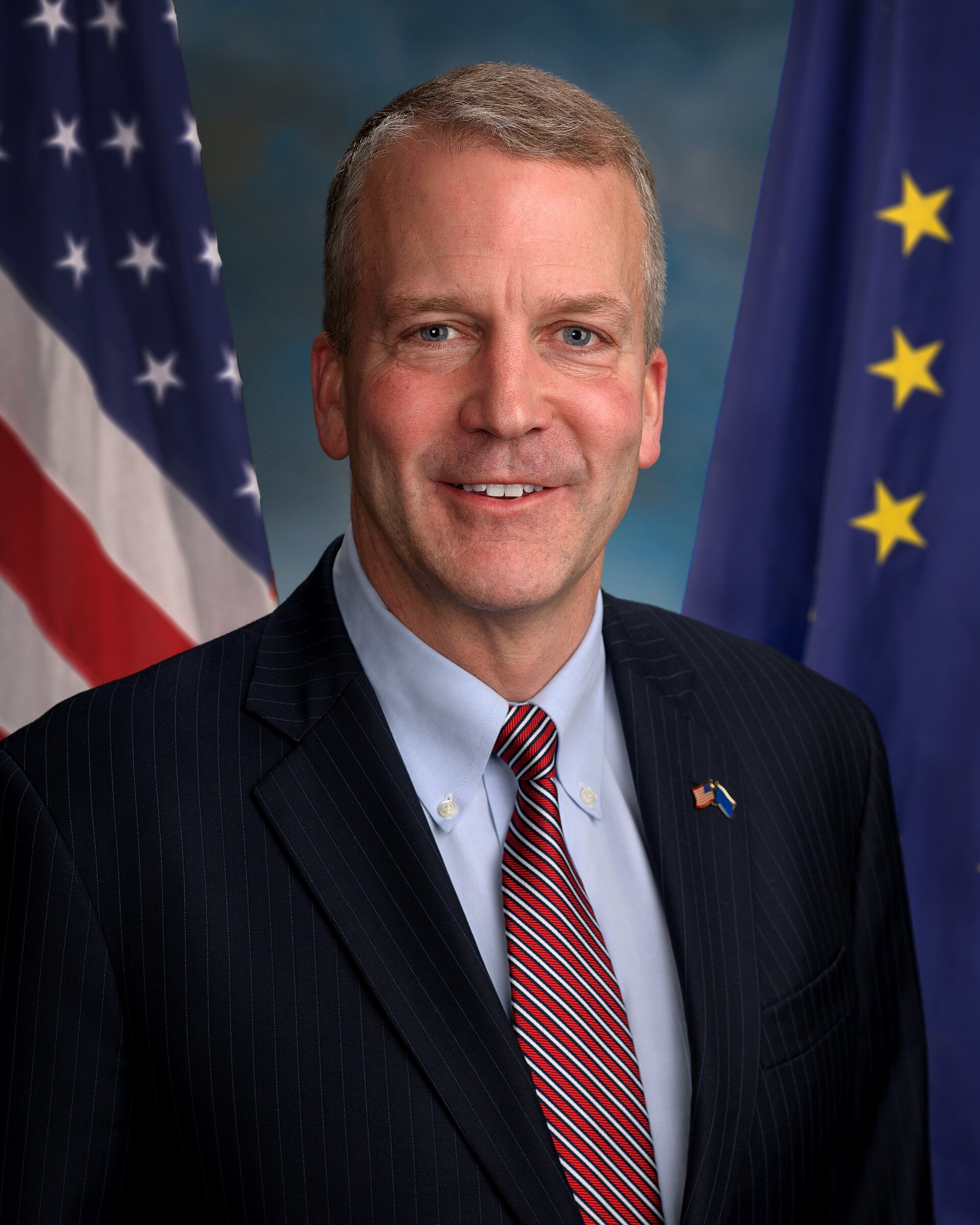
Trump lifts some Canada tariffs days before midterms in a move tied to Collins’ Maine race
The White House said it is ‘replacing’ the dropped duties with new tariffs on other Canadian goods, a step critics call an election-year rescue for the Republican senator.
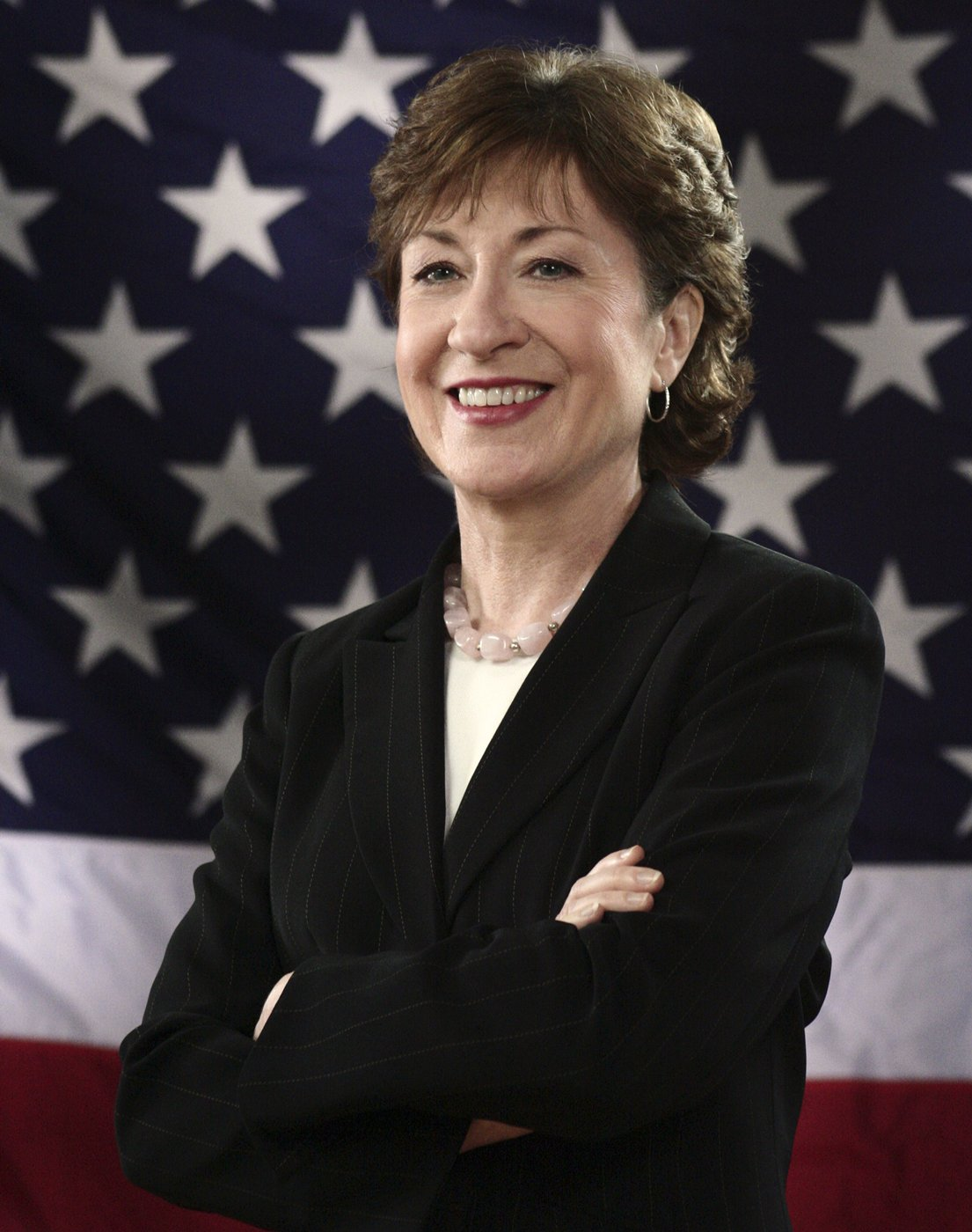
The White House announced Friday it would drop tariffs on some Canadian goods, with the changes taking effect October 30, four days before the November 3 midterm elections.
Senator Susan Collins said she repeatedly lobbied Ambassador Jamieson Greer and Commerce Secretary Howard Lutnick for tariff relief, pressing the administration in what she described as sustained direct conversations. Collins, who has served in the Senate for nearly 30 years, announced that the exemptions would apply to nine agricultural products including blueberries, potatoes, apples, and seaweed, items she says are crucial to Maine’s farm economy. She said she would continue working with administration officials to seek additional relief and encourage a broader trade agreement with Canada. Collins has cast herself as a check on the president’s trade agenda, but her announcement did not mention that new tariffs would simultaneously be added to other Canadian imports.
The White House said tariffs would be removed from some items but new tariffs would be introduced on others, including carpets and waste products. Trump signed a proclamation using a 96-year-old trade law known as Section 338 to revise the list of goods subject to the duties. A White House fact sheet detailing the changes does not mention Maine. The administration said the changes were made to ‘better serve the public interest.’
Critics call it a political rescue
Troy Jackson, Collins’ Democratic challenger and a former logger who served in the Maine state senate, seized on the timing. “Trump’s trade wars have made life harder and more expensive for Mainers,” Jackson said. “Susan Collins enabled this chaos, voted to confirm the people behind it, and now wants credit for bringing a cup of water to put out the fire.” The race is considered crucial for Democratic hopes of flipping control of the Senate. Senator Ron Wyden of Oregon, the top Democrat on the Senate finance committee, called the move a “desperate, 11th hour attempt to save Susan Collins’ political career,” according to The Guardian. Voters have already started casting ballots in the Maine Senate race.
The trade dispute escalated after talks between the two countries collapsed in August, prompting the United States to impose a 50% tariff on $20 billion of Canadian goods. Trump said he acted because of what he called the “unequal treatment” of American cars, dairy, and alcohol. Canada responded with retaliatory tariffs ranging from 15% to 50% on $20 billion worth of American goods. Canada later withdrew its tariffs on American seafood, a move that helped Maine’s fisheries. Prime Minister Mark Carney said auto exports to the United States had fallen 10%, and American exports to Canada had fallen by more than 20%.
Carney said Canada is open to a mutually beneficial trade deal and could sign it this afternoon if the United States were ready, adding that Ottawa is prepared to wait if necessary. Canada’s internal trade minister, Dominic LeBlanc, said Canada stands ready to work constructively and in good faith toward a more mutually beneficial trading relationship. The Canada-United States Economic Relations Advisory Committee held its ninth meeting since April 2026 to discuss the ongoing impact of the tariffs. Maine borders New Brunswick and Quebec, and its economy is deeply linked to Canada.
Collins has broken with her party more than any other Republican senator since Trump took office, according to a New York Times analysis. Her efforts to vote against Trump’s policies have rarely succeeded in his second term. Maine is considered a purple state with an independent streak.
Sources & methods
- The Guardian, reporting on Collins' announcement and the political context of the tariff exemptions Archived Oct 24, 2026
- BBC News, covering the White House announcement and the broader US-Canada trade dispute Archived Oct 24, 2026
- CNBC, reporting on the timing of Collins' announcement relative to the White House fact sheet and the Section 338 proclamation Archived Oct 24, 2026
This article draws on reporting from The Guardian, BBC News, and CNBC, cross-referencing statements from Collins, the White House, Jackson, Carney, and LeBlanc. The Wyden quote is attributed to The Guardian. The fact ledger flags the claim that Canada is the largest US trading partner as disputed; this article does not repeat that claim.