Federal judge orders DHS to halt noncitizen voter operations in nine states, citing likely Voting Rights Act violations
Judge Araceli Martínez-Olguín found the initiative relied on flawed data and intimidated voters weeks before the November 3 midterms.
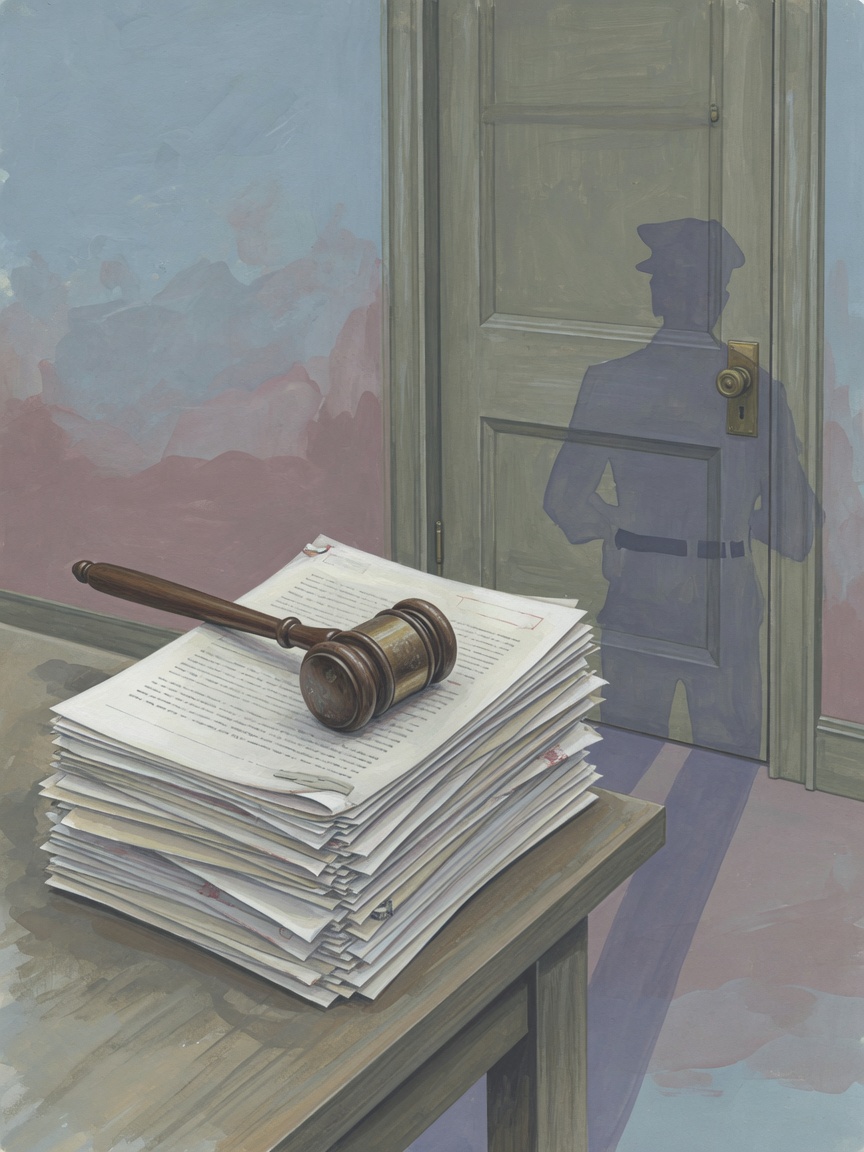
A federal judge ordered DHS to halt operations targeting noncitizen voters in nine states after finding the initiative likely violated the Voting Rights Act’s prohibition on voter intimidation, weeks before the midterm elections.
Judge Araceli Martínez-Olguín, a Biden appointee sitting in Oakland, issued the ruling Wednesday in a 19-page order that she held until Friday to allow the administration to appeal. The order covers California, Connecticut, Georgia, Missouri, Nevada, New York, Pennsylvania, Washington, and Wisconsin. The midterm elections are scheduled for November 3.
Armed agents and 12-minute reviews
The investigation, known as the “Unlawful Voter Initiative,” sent armed Homeland Security Investigations officers to conduct field operations and visit homes to interview people suspected of illegally voting as noncitizens. Targets can include people who became citizens but voted before they naturalized. During a surge phase starting in late August, agents were ordered to complete reviews of flagged individuals in no more than 12 minutes per person. Details came to light last month after Senator Chuck Schumer and Senator Alex Padilla released a whistleblower report, which followed a USCIS whistleblower disclosure alleging rushed data-matching to create a target list that included US citizens. The judge referenced an HSI social media post showing agents handcuffing a California man accused of unlawfully registering to vote. DHS publicised its push, with some local offices posting photos of agents knocking on doors of suspects.
No federal citizenship database
The judge wrote that there is no federal database containing the citizenship status of US residents, and she described the target lists as “voluminous and unreliable.” For states that refused to share records, the administration tried to obtain them through “unreliable commercial versions of voter roll data.” The 12-minute time limitations, she wrote, “further exacerbate the risk of error.” USCIS official Nicolas Bartell acknowledged in a declaration the “low possibility” that citizens could be “erroneously identified as potential aliens” in federal records, but wrote that the risks were mitigated by safeguards and outweighed by the need to support the agency’s law-enforcement and election-integrity mission. Some US citizens felt they were wrongly identified and questioned or investigated as part of the inquiry. The judge found the efforts lead to “an objectively reasonable fear of law enforcement entanglements that intimidates citizens from urging or aiding others in exercising their right to vote.”
DHS response
DHS issued a statement Thursday saying it was “laser focused” on “removing aliens who vote and dilute the votes of U.S. citizens,” and said it had no plans to question or investigate people it believes are US citizens. The judge barred DHS officers in the nine states from conducting field operations targeting people they “know, suspect, or should reasonably know or suspect are U.S. citizens,” or based “wholly” on USCIS matching data without further investigation.
Plaintiffs and broader context
The lawsuit was filed by the California Nurses Association, National Nurses United, the Voto Latino Foundation, San Francisco, and Santa Clara County. Protect Democracy and the National Immigration Law Center are litigating the case. Beau Tremitiere is a lawyer representing the plaintiffs, and Benjamin Farley is the supervisory counsel for democracy defense at NILC. “It was clear from the start that DHS built its lists on bad data, never checked how often it was wrong, and recklessly sent agents to people’s homes weeks before an election,” Tremitiere said. A court filing by the nurses associations described naturalized citizen members who no longer wanted to attend rallies, serve as poll workers, or vote in person because of the federal operations. Separately, NPR reported that the DOJ is suing California demanding the state segregate 20,000 ballots from people federal officials say are “likely” noncitizens. A preliminary review by Los Angeles County election officials found many registrations were canceled, inactive, or had no voting history, and some pertained to people born in the US. NPR also reported that the DOJ announced charges against 28 green card holders across California on Monday accused of illegally voting or registering to vote. The DOJ has sued 30 states that refused to turn over voter roll data, losing each case so far. Voting by noncitizens has been found to be extremely rare, and there has been no evidence that noncitizen voters have influenced the outcome of any election.
Sources & methods
- Al Jazeera, October 22, 2026 Archived Oct 23, 2026
- NPR, October 22, 2026 Archived Oct 23, 2026
- The Guardian, October 22, 2026 Archived Oct 23, 2026
Reporting based on court filings, judge’s written order, DHS statement, and prior reporting by Al Jazeera, NPR, and The Guardian.