Democrats win largest House majority since 1992 after flipping North Carolina seat
Chuck Hubbard’s narrow defeat of Virginia Foxx gives Democrats at least 258 seats, with four races still uncalled.
Democrats have won at least 258 House seats in the midterm elections, their largest majority since 1992, after Chuck Hubbard defeated Republican Representative Virginia Foxx in North Carolina’s 5th Congressional District.
The party has gained 44 House seats so far, four more than the 40 it picked up in Trump’s first midterm in 2018. Republicans now hold at least 173 seats in the 435-member chamber, one of their lowest tallies in decades. Democrats also control the Senate, where they won a 56-seat majority in the 100-member body, their biggest advantage in over a decade. Four House races remain outstanding.
The race that put them over
Hubbard beat Foxx by 330 votes with 99% of ballots counted, according to the BBC. The race was called on Sunday after a recount. North Carolina state law permits a recount when the margin of victory falls under 1%. Foxx has represented the 5th District since 2005, and Hubbard had challenged her before, losing in 2024 by nine percentage points. This time the result flipped. Hubbard, like many Democrats running in the midterms, focused on the rising cost of living during the war with Iran. He also pledged to prioritize working families and small businesses, support public education, and expand access to affordable healthcare. Foxx conceded following the recount. ‘Let me be the first to thank Congresswoman Foxx for her decades of service and countless sacrifices,’ Hubbard wrote on social media. He also said he appreciated her ‘commitment to a smooth transition of the office and constituent casework,’ adding: ‘We may not always agree, but we both love North Carolina and the people of the Fifth District.’
Voters demanded change
‘I think the American people are just sick of what’s going on and they wanted a change. They voted for change,’ Hubbard told the BBC News Channel after his victory. Voter anger over high costs of living and the war with Iran was a driving force in the midterms. Democrats also won in deeply Republican districts in South Carolina, Texas, Alaska, and Iowa. Senator Elizabeth Warren said voters ‘don’t want any more of their tax dollars going to an expensive, endless war in Iran. They don’t want their tax dollars going to Jeff Bezos’s next yacht or Elon Musk’s next island.’ Ken Martin, chair of the Democratic National Committee, said Americans ‘are fed up with Donald Trump, JD Vance, and Republicans’ price spiking agenda, and they are ready for change.’ Trump and Vice President JD Vance suggested inflation caused by the war in Iran was probably to blame for Republican losses.
Governing with a veto across the hall
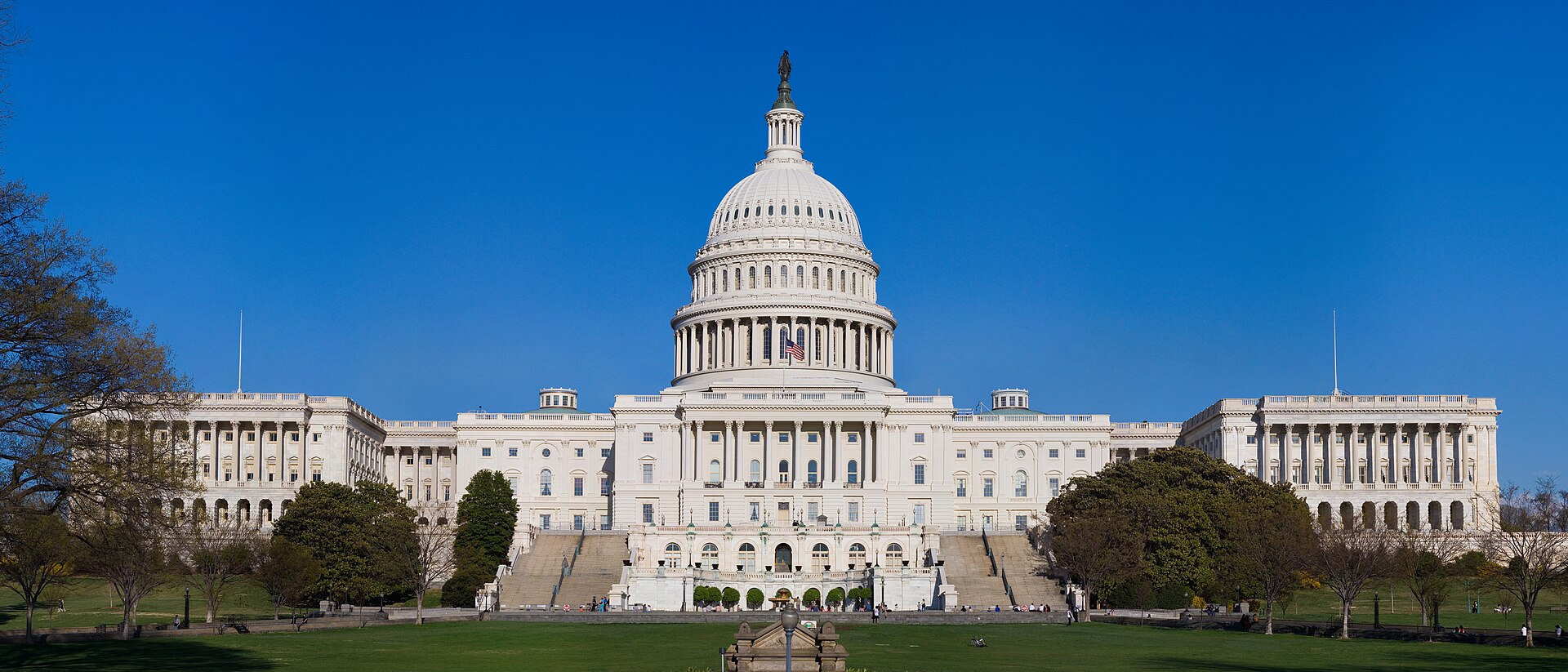
Hakeem Jeffries, the Democratic House minority leader, is in line to become House speaker. ‘House Democrats have just secured the largest majority any party in Congress has held this century. BOOM,’ Jeffries wrote on social media. Democrats are planning a 100-day agenda that includes swift votes to reverse Republican Medicaid cuts. The party also plans to investigate Trump and those close to him. The Senate, also in Democratic hands, has the power to confirm or block the president’s cabinet and judicial nominations. Trump remains president and can veto legislation passed by Congress, limiting what Democrats can achieve even with control of both chambers. Representative Jason Crow of Colorado said Democrats should feel pressure to deliver. ‘There are people dying in this country and people losing their healthcare, losing their livelihoods, losing their farms, being terrorized from ICE,’ he said at the Capitol. ‘If you don’t feel a sense of urgency and pressure in this job, and a desperation to deliver for folks, then you don’t belong under this Capitol dome.’
One race each in Minnesota and Tennessee remains outstanding. Two Louisiana races are heading to a December runoff. Victoria Broderick leads Tennessee’s fourth district by fewer than 300 votes. Jake Johnson is winning Minnesota’s first district by fewer than 500 votes.
Sources & methods
Reporting based on coverage by BBC News and The Guardian, including vote tallies, official statements, and interviews.