FBI arrests Albany woman for alleged plot to bomb New York State Capitol
Jessica Bowie, 35, is charged with providing material support to the Islamic State group after undercover agents supplied her with a fake bomb and a defective gun.
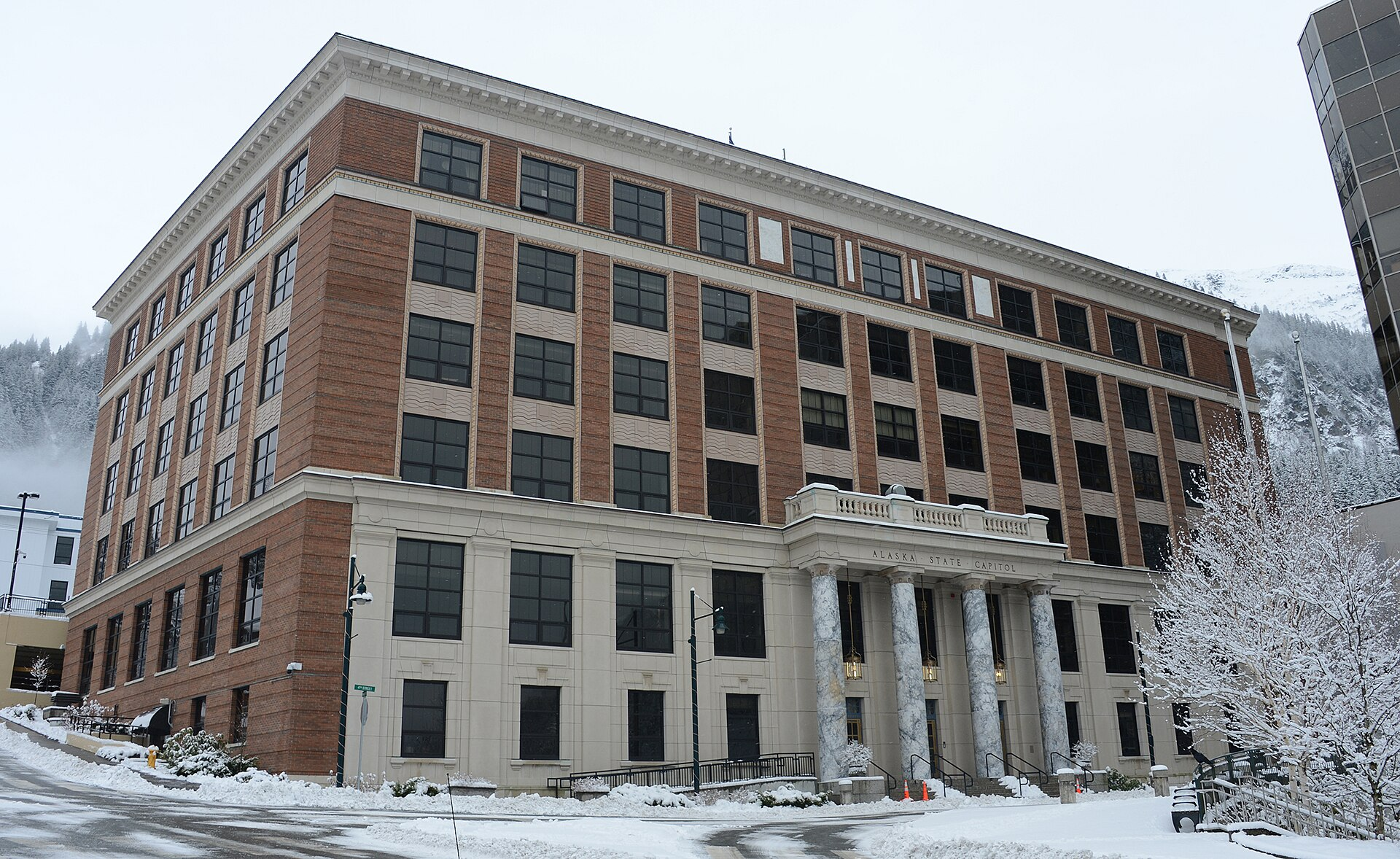
The FBI has arrested an Albany woman who allegedly planned to bomb the New York State Capitol, charging her with providing material support to the Islamic State group after she pledged loyalty to the organization and spent weeks with undercover agents she believed were its members.
Jessica Bowie, 35, was arrested on Wednesday. She was carrying a fake bomb and a defective gun, both supplied by undercover agents, along with knives and a written oath of allegiance to the Islamic State, according to a criminal complaint filed by the FBI on Thursday. Prosecutors say she had repeatedly surveilled the state capitol building in Albany, visiting it at least five times on reconnaissance missions ahead of the planned attack.
The case began in July. An unnamed FBI informant started communicating with Bowie through encrypted messaging apps, and she messaged the informant that she wanted help making a bomb, identifying her state capitol as her intended target, according to a 21-page complaint outlining the government’s case. The informant then arranged meetings with two other confidential informants who posed as Islamic State members.
Bowie selected the New York statehouse because she believed it would be an easier target than the White House, prosecutors said. “I want to destroy as much of the building as possible and kill the senators,” she allegedly told the agents, according to the criminal complaint. She also told them, “I want it to have an affect on the American system.”
From social media to surveillance
Bowie was a frequent social media user. She created over a dozen accounts relaying support for terrorism, according to the complaint, and had been banned from several platforms for violating their terms of service. She had used social media to praise the 11 September 2001 terror attacks by al-Qaeda. One of her posts included the message, “Praise be to [God] for September 11th,” a reference to the deadly attacks, according to the filing.
She told agents she had converted to Islam around five years ago. During the investigation, she stated that “she went from a little girl waving an American flag after 9/11 to now having stickers of the falling towers,” the complaint said.
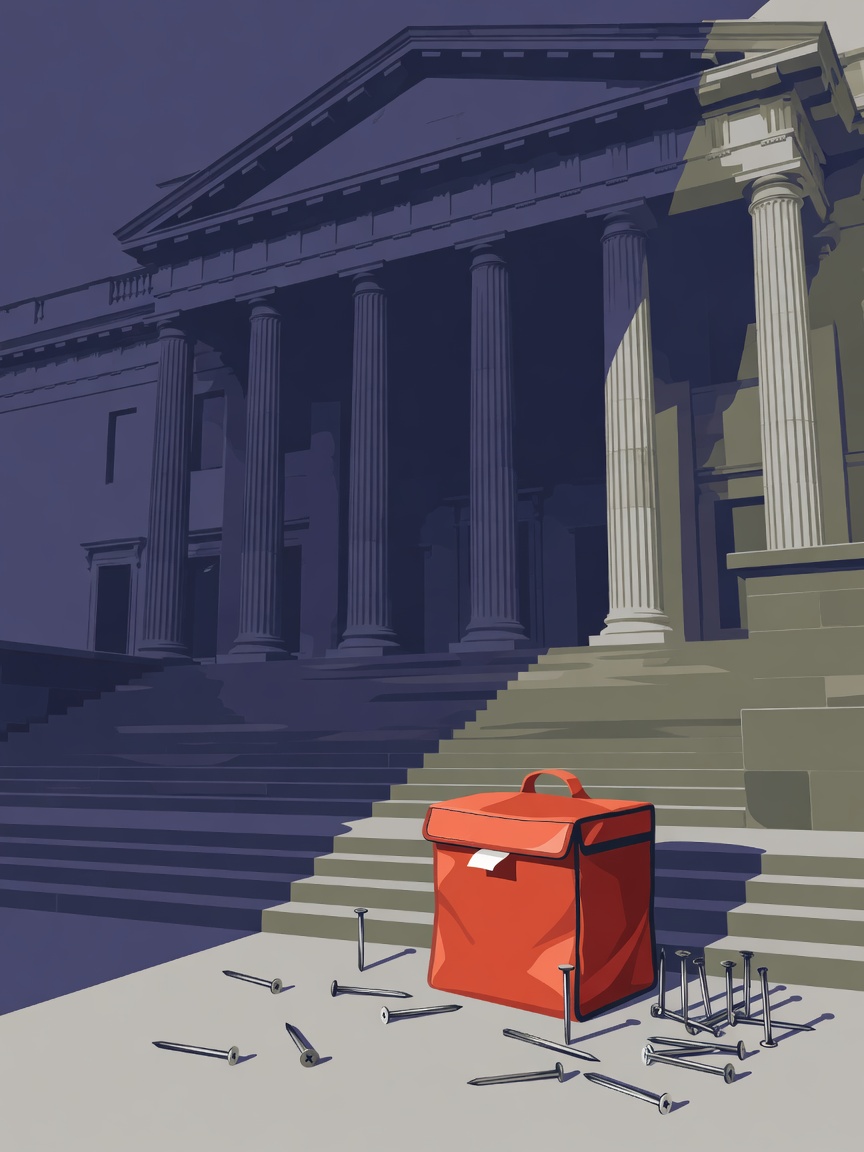
The undercover operatives gave Bowie $200 to buy bomb-making materials at a local Home Depot store. They drove her to the store, where she used a self-checkout lane, and the complaint included photos of the purchase. When she emerged from the store, she allegedly said she hoped the nails she bought were the right kind. “I hope the nails are big enough... because the nails work as shrapnel, right?” she told the two undercover operatives, according to the complaint.
Bowie planned to conceal the bomb inside a food delivery bag. The charging documents included an image of the DoorDash bag she brought to agents. She later bought a firearm and ammunition from one of the informants, who instructed her on how to use them, the complaint said.
Officials respond, tactics questioned
John A. Eisenberg, the Justice Department’s assistant attorney general for national security, said in a statement that investigators had stopped Bowie “before she was able to act on her plot to bring terror to the Capital Region.” He added that investigators believe Bowie planned to destroy as much of the state capitol as possible before fleeing to Syria.
New York Governor Kathy Hochul wrote on the social media platform X that she was grateful to the FBI for leading the investigation and to the New York State Police for their work to apprehend the suspect. “Earlier this year, amid a rise in political violence and threats against public officials, we took steps to strengthen security at the State Capitol and across state government,” she wrote.
During an interview at the FBI’s Albany offices after her arrest, Bowie told special agents, “Material support is up to 20 years in prison. I already Googled it before. I know I’m going to jail.” It is unclear whether she plans to fight the charges. The United States has designated the Islamic State a foreign terrorist organization since 2004.
The case relies on confidential informants and undercover agents, methods the U.S. government has often used in terrorism prosecutions. Those tactics remain controversial. Rights groups have criticized sting operations for using undercover agents to convince suspects to plot attacks. The case of the “Newburgh Four,” in which an FBI informant offered $250,000 and other incentives to four men in Newburgh, New York, to participate in a plot to target synagogues and military aircraft, became emblematic of the risks. The four were arrested in 2009 and found guilty the following year of terrorism-related charges. Critics accused the informant of preying on the poverty of the men. Lawyers for the men argued that they did little to push the plot forward and even attempted to avoid the informant at times. More than a decade later, in 2023 and 2024, the four men were granted compassionate release after a judge ruled that the “real lead conspirator” in the plot “was the United States.”
Sources & methods
- BBC News report on the FBI arrest of Jessica Bowie for an alleged plot to bomb the New York State Capitol, including details from the criminal complaint, undercover agent interactions, and Governor Hochul's response. Archived Aug 21, 2026
- Al Jazeera report on the Department of Justice announcement of charges against Jessica Bowie, including the 21-page complaint details, the role of confidential informants, the Newburgh Four case as a parallel, and quotes from DOJ official John A. Eisenberg. Archived Aug 21, 2026
This article was assembled from two published news reports, one from BBC News and one from Al Jazeera, both covering the criminal complaint and arrest of Jessica Bowie. Direct quotes were drawn verbatim from the source texts, and all factual claims are attributable to those reports.