FBI and Postal Inspection Service investigate suspicious powder mailings to senators and election offices weeks before midterms
Letters containing a white powdery substance were sent to Democratic senators and election offices across several states, with most congressional mailings intercepted before delivery.
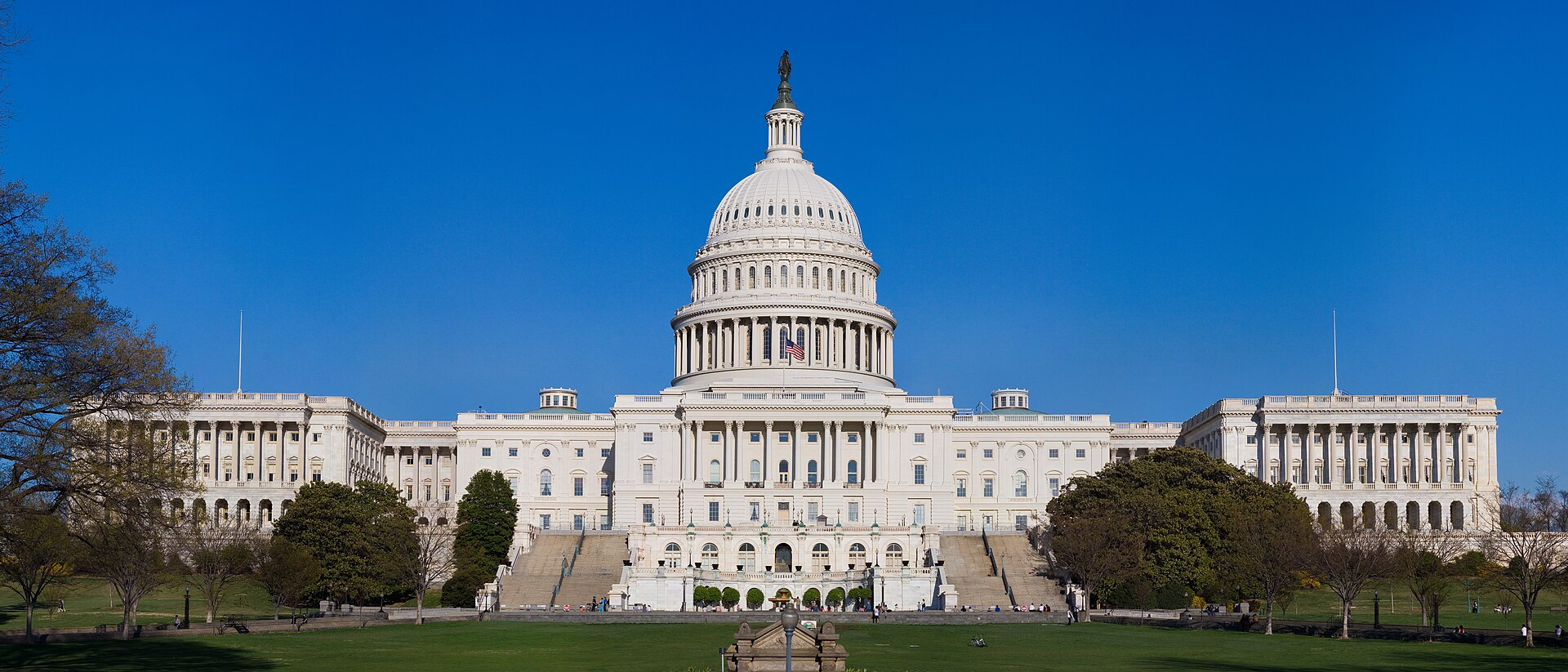
The FBI and US Postal Inspection Service are investigating suspicious mailings containing a white powdery substance sent to senators and election offices, weeks before the midterm elections.
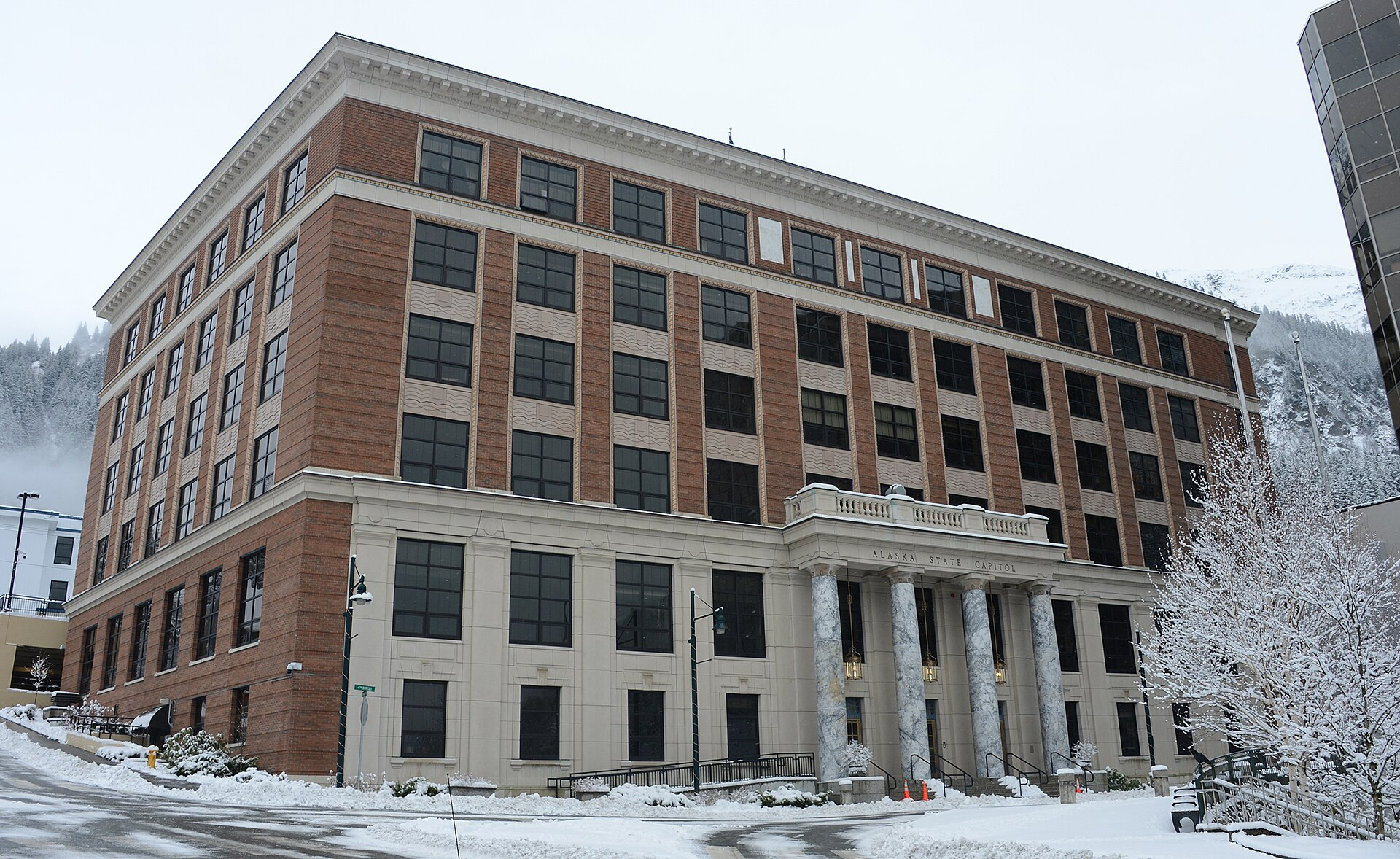
Letters were sent to at least five Democratic senators’ offices, most of which were intercepted before delivery. California’s Alex Padilla, Connecticut’s Chris Murphy, and New York’s Kirsten Gillibrand were among those targeted, their offices confirmed to the BBC. New York Senator Chuck Schumer and Delaware Senator Lisa Blunt Rochester were also sent suspicious mail, according to CBS News. Election offices in Louisiana, Ohio, Oklahoma, and Delaware received mailings as well. The New York State Capitol in Albany and the Wyoming State Capitol in Cheyenne also received suspicious packages, per emergency responder scanner feeds reviewed by the BBC.
Padilla mailing intercepted
Padilla’s mailing was intercepted before reaching his office, and no threat was posed to staff. Padilla described the incident as a stark reminder of the very real danger facing those who serve the public and who help administer our elections in the face of increasingly hostile political rhetoric.
Election offices on alert
A Louisiana secretary of state employee opened a letter on Tuesday and was taken to the emergency room as a precaution, but law enforcement found no evidence of harmful substances. The Ohio secretary of state’s office was the intended recipient of a letter containing white powder that was intercepted by USPIS. The Delaware Department of Elections received and opened a letter containing a white powdery substance on Thursday. The Oklahoma State Election Board reported receiving letters this week.
Capitol security warning
The Senate Sergeant at Arms sent a communication to congressional staff warning that some letters may reach their destinations despite interception efforts. The note said staff should not handle suspicious letters and should leave the area. Suspicious mail could be indicated by discoloration, powder emanating from the envelope, and postmarks that do not match the return address. An image in the SAA communication showed a return address labeled ‘DSA’ with a New York City return address.
Deputy Chief Inspector Brendan Donahue of the US Postal Inspection Service said some of the letters contained an unknown substance and that USPIS was working closely with law enforcement partners to respond to each incident. Donahue said USPIS stopped delivery of at least one mailing. The FBI said in a statement that it is working with partners to identify the individual or individuals responsible for the letters. The US Capitol Police and SAA did not return requests for comment.
Echoes of 2024
The investigation echoes similar incidents in 2024, when suspicious packages were sent to state election offices. Ahead of the 2024 election, vote officials in more than 15 state election offices received suspicious packages. A year before the 2024 election, suspicious envelopes, some laced with fentanyl, were sent to election offices in at least five states.
The National Association of Secretaries of State and the National Association of State Election Directors issued a joint statement saying those who administer elections should never fear for their safety while carrying out their essential duties. Election day is Nov. 3, less than three weeks away.
Sources & methods
- BBC News reporting on suspicious mailings to senators and election offices Archived Oct 16, 2026
- NPR reporting on the investigation, including SAA communication and agency statements Archived Oct 16, 2026
Reporting drawn from BBC News and NPR coverage, including statements from senators’ offices, the FBI, USPIS, the Senate Sergeant at Arms, and state election officials. The Padilla quote is taken from the BBC version; the NPR version includes an additional clause attributing the rhetoric to Donald Trump.