The Justice Department opens an antitrust probe into five TV networks over their suspension of Trump pool coverage
The Antitrust Division is examining whether the networks’ coordinated suspension of presidential pool coverage amounted to an illegal group boycott under the Sherman Act.
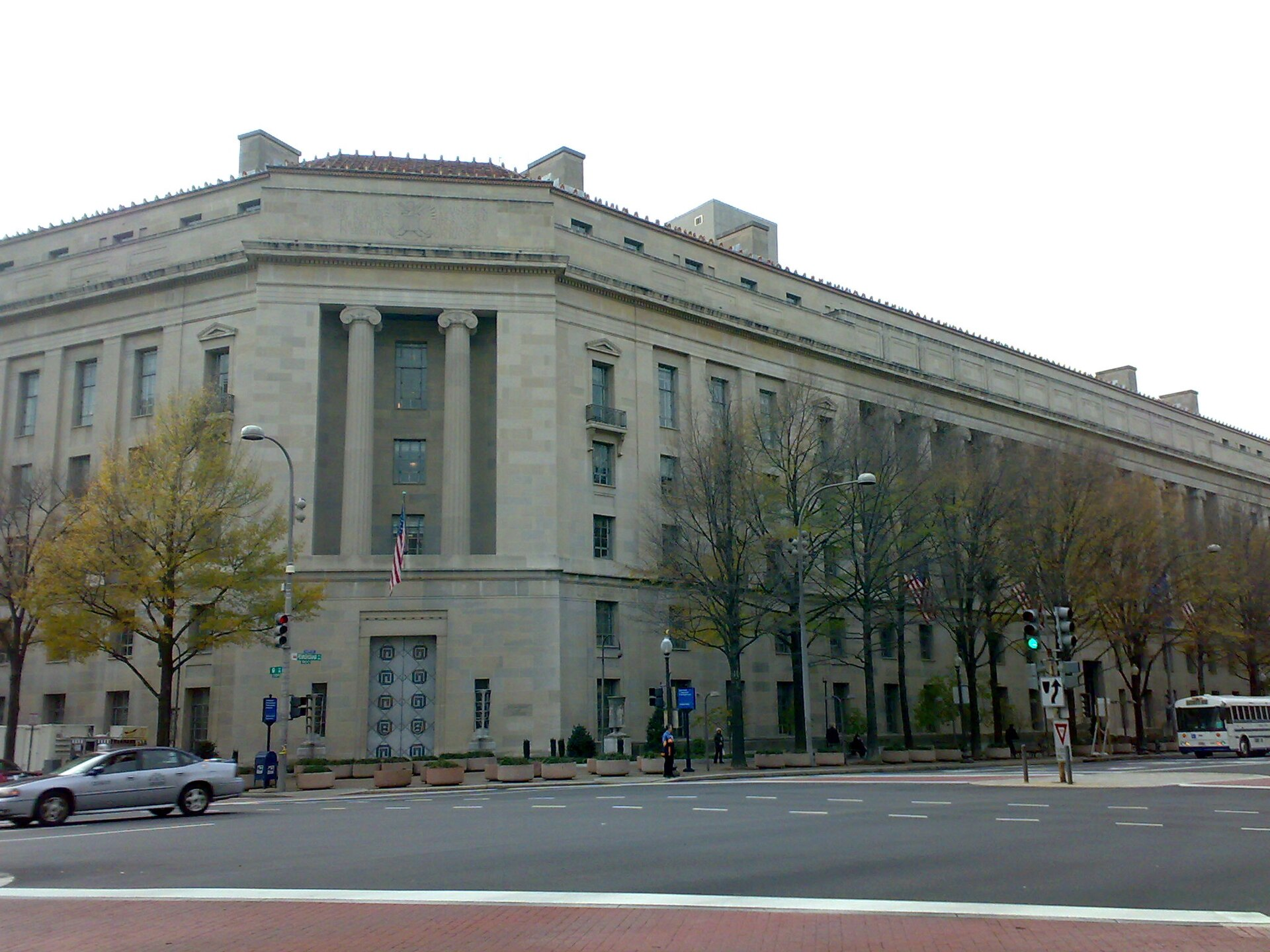
The Justice Department has opened an antitrust investigation. The probe targets ABC, CBS, CNN, NBC, and Fox News over their suspension of pool coverage of President Donald Trump. The inquiry turns a press-access dispute into a federal competition case, raising questions about the intersection of antitrust law and press freedom.
The Antitrust Division is investigating whether the news organizations violated antitrust laws when they halted presidential coverage last month. The DOJ cited the Sherman Act, which bars companies from engaging in monopolistic business practices, as the legal foundation for the inquiry. A DOJ spokesperson announced the investigation on Saturday.
How the access fight began
The antitrust investigation has its roots in a separate conflict over press credentials that unfolded last month. The Trump administration withdrew the credentials of reporters from CNN, MS Now, and Politico after Trump accused the organizations of writing “fiction or lies” about his team. The three affected outlets sued the administration, arguing that the restricted access violated their First Amendment rights and that the White House was retaliating against them over their coverage. The First Amendment forbids the government from “abridging” the freedom of the press, language that courts have interpreted as preventing government discrimination against media based on coverage content. The White House defended its decision on September 19, saying that covering the president was a “privilege – not a right.” The legal battle moved quickly. US District Judge Timothy Kelly ruled the ban was likely unconstitutional and ordered the administration to “immediately return, reinstate, and restore” their access on September 24. Credentials were reinstated. But disputes over access to specific presidential events and pool assignments continued after reinstatement.
The solidarity suspension
All five television networks, including Fox News, suspended coverage in solidarity. They refused to provide replacement coverage. The decision by the five networks to halt their pool coverage in concert drew the attention of federal antitrust regulators. The five networks share the costs of covering the president, take turns organising coverage, and share footage with outlets around the country. CNN occupies an unusual position in the dispute, as it was both one of the three outlets whose credentials were withdrawn and one of the five networks now under investigation. Politico and MS Now are not among the five networks facing the antitrust inquiry.
The DOJ’s legal theory
The DOJ asked ABC, CBS, CNN, NBC, and Fox News to hand over communications related to the pool. Emily Convington, the Justice Department spokesperson, described the inquiry in terms of competition law rather than press freedom. “Group boycotts among commercial competitors can violate the Sherman Act,” Convington said. “The Antitrust Division is simply investigating to determine whether these news organisations have violated the antitrust laws.”
A broader pattern of press tensions
The investigation is the latest in a series of clashes between the Trump administration and major news organizations. In February, the White House announced it was taking control of the press pool, which had for more than a century been managed by the White House Correspondents’ Association. The same month, the Trump administration moved to bar Associated Press reporters and photographers from limited-access spaces over the “Gulf of Mexico” versus “Gulf of America” naming dispute. AP filed a lawsuit, and the case remains ongoing. The AP case and the credential dispute with CNN, MS Now, and Politico represent separate fronts in the same broader conflict. Trump has repeatedly called the mainstream media “fake news” and frequently clashes with reporters during encounters with the press.
Jose Zamora, the Committee to Protect Journalists’ Americas director, criticised the administration’s decision to investigate, warning that it could chill press freedom. “The government should not use antitrust investigations to intimidate news outlets defending press access,” Zamora said. “The public’s right to know depends on that access.” The networks have not yet commented on the investigation.
Sources & methods
- BBC News reporting on the DOJ antitrust investigation into TV networks over Trump pool coverage suspension Archived Oct 11, 2026
- Al Jazeera reporting on the DOJ antitrust investigation, including statements from spokesperson Emily Convington and CPJ's Jose Zamora
This report draws on published reporting from BBC News and Al Jazeera, including statements from the Justice Department and the Committee to Protect Journalists.