Pentagon says Fort Hood attacker’s firing-squad execution will be livestreamed
Defense Secretary Pete Hegseth announced the execution would be public, but legal experts call the plan unprecedented and say no major platform has agreed to carry it.
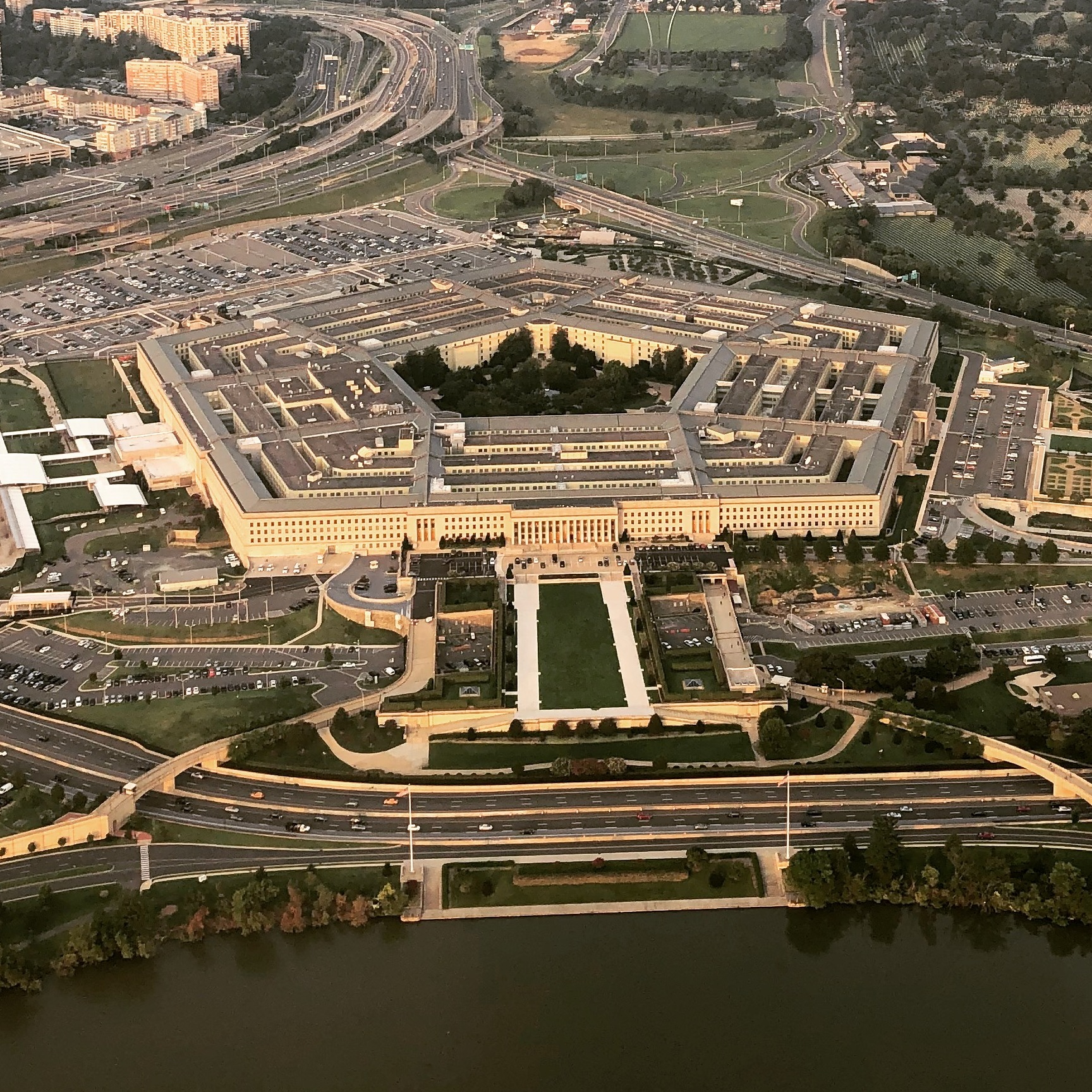
Defense Secretary Pete Hegseth announced in an interview with Real America’s Voice that the execution of Nidal Hasan will be livestreamed. “We’ll make sure that people are able to watch it, that it’s public,” Hegseth said. The execution is scheduled for December 3rd at Fort Hood, where Hasan will face a firing squad of soldiers.
The execution would be the first military execution in more than 60 years, and the first by firing squad since the end of World War Two. The last was in 1961. A military execution requires approval from the president, according to military law, as well as appellate review and a final judgment on its legality. The Pentagon had announced earlier in the week that it would execute Hasan. Trump approved after Hegseth made the recommendation. Pentagon spokesperson Sean Parnell confirmed the arrangement on Monday.
The attack and the convict
Hasan was a former US Army major and psychiatrist from Virginia, convicted of killing 13 people at Fort Hood on 5 November 2009. The shooting took place in a crowded medical building where deploying soldiers were awaiting check-ups and vaccines. He admitted to being the gunman. It was the deadliest non-combat attack on an American military base. During his court martial in 2013, he said he believed he was protecting Muslims and the Taliban in Afghanistan.
Legal experts call the plan unprecedented and unlikely to proceed
John Mills, a lawyer who works with inmates sentenced to death, called the decision “unprecedented in the modern era” and “on uncertain legal terrain.” Mills said the appellate process for Hasan is not over and that Hasan is likely to seek review of his conviction and sentence in federal court, which would likely stay the execution. He said he would be surprised if the execution happened. “Seeking to make it livestreamed, a firing squad execution, is little more than attention-seeking by the Trump administration and is unlikely to occur, much less deliver any semblance of justice,” Mills said. Eugene R Fidell, a visiting lecturer at Yale Law School, called it a “really unfortunate decision.” “To livestream an execution is just so out of the Middle Ages,” Fidell said. “In a way, we are so past that as a society, at least I thought so until today.” Fidell said that if Hasan pursued legal action, proceedings would last years, far longer than Trump’s term. Deborah Denno, a law professor at Fordham University who has studied US execution methods, said there hasn’t ever been a livestreamed execution. A livestreamed execution would force a level of transparency never seen before in this country, she said.
No platform has agreed to host the broadcast
Major social media platforms have policies prohibiting or restricting livestreaming of violent content or content depicting death, according to the BBC. The BBC reported that Meta, the owner of Instagram, Facebook, and Threads, explicitly bans any livestream of capital punishment, and that TikTok has a blanket ban on extremely graphic, violent, or disturbing content. The BBC also reported that X’s policy says content depicting when a person dies will be removed if requested by family or an authorized representative, and that Truth Social, the social media platform owned by Trump, does not have a live-stream video feature for users. The Verge contacted YouTube, Twitch, TikTok, Meta, Rumble, and Kick to ask if they plan to allow the livestream; none responded before publication.
Historical and political context
The BBC reported that the 1961 execution was of a US Army private hanged after being convicted of raping an 11-year-old Austrian girl, authorized by President Dwight D Eisenhower, and that it took place despite the victim’s family asking his successor, John F Kennedy, for clemency. The BBC also reported that the US government had not executed anyone for 17 years until the final year of Trump’s first term, when 13 federal executions were conducted, and that upon returning to office last January, Trump overturned predecessor Joe Biden’s moratorium on federal executions and signed an executive order aimed at restoring the death penalty. The BBC noted that in 1989, Trump took out ads in The New York Times calling for the execution of the group dubbed the Central Park Five, who were later exonerated. While there were more than 2,700 executions across 17 countries last year, according to Amnesty International, only two countries carried them out publicly: Iran, with 11, and Afghanistan, with six. Trump has previously condemned public executions in Iran.
Hegseth said people need to understand there are serious consequences for these types of things. Asked about legal challenges, he said, “Don’t care. We’ll see him on December 3rd.” The execution is scheduled for 2PM ET on December 3rd.
Sources & methods
- BBC News report on the Pentagon announcement, legal expert interviews, and platform policies Archived Oct 9, 2026
- The Guardian report on Hegseth's Real America's Voice interview and Fort Hood background Archived Oct 9, 2026
- The Verge report on platform inquiries and execution scheduling details Archived Oct 9, 2026
Reporting based on Pentagon announcements, legal expert interviews, and inquiries to major social media platforms regarding their livestreaming policies.