Republican senator questions legality of Trump’s Russian diesel sanctions relief as analysts predict minimal price impact
Senator Thom Tillis said there is a legitimate case that the president is not following the law, joining a bipartisan group of senators in condemnation of the deal with Putin.
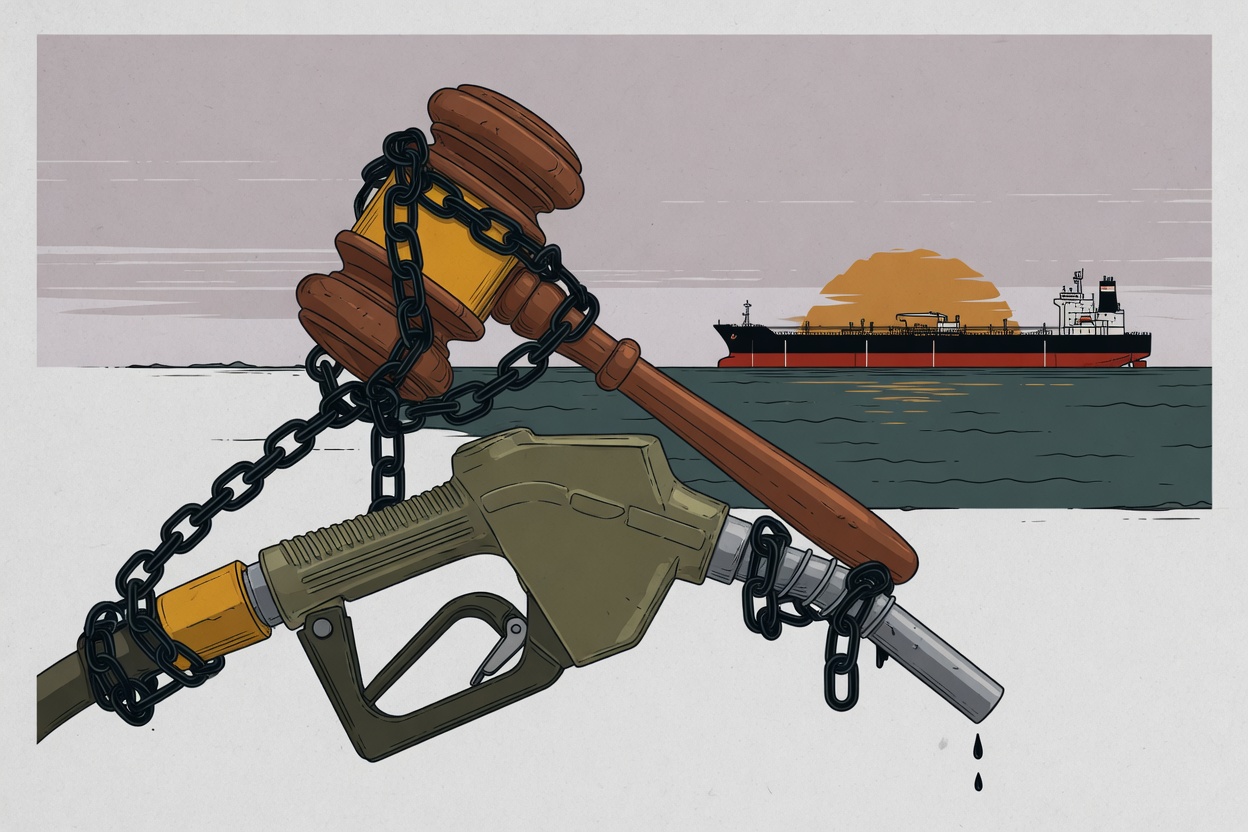
Senator Thom Tillis questioned the legality of Trump’s sanctions relief on Russian diesel on NBC News’ Meet the Press on Sunday, as energy analysts said the agreement would have little meaningful effect on US diesel prices.
Trump announced the deal with Putin on Friday to temporarily ease sanctions on Russian diesel in an effort to bring down fuel prices. The package involves 300,000 tonnes of diesel released immediately, 500,000 tonnes in November, and a further 1 million tonnes after that. The US Treasury suspended sanctions on Russian diesel exports until 7 April as part of the agreement. Treasury Secretary Scott Bessent defended the deal on Sunday, calling it necessary to bring down diesel prices.
Republican senator warns of legal violation
Tillis told NBC News’ Meet the Press that there is a legitimate case the president is not following the law. “I do believe there’s a legitimate case for saying the president’s not following the law,” Tillis said. Critics including Tillis pointed to a 2022 executive order barring importation of Russian fuel, and a law signed last month named after the late Senator Lindsey Graham that prohibits US investment in the Russian energy sector. Bessent said the administration would use all legal authorities it has, telling Fox and Friends, “We’re going to do it with all the legal authorities we have.” Tillis warned that Trump needs Republican support for military funding and year-end spending, saying the president should understand the sanctions relief is a problem and that he is not the only Republican concerned about it.
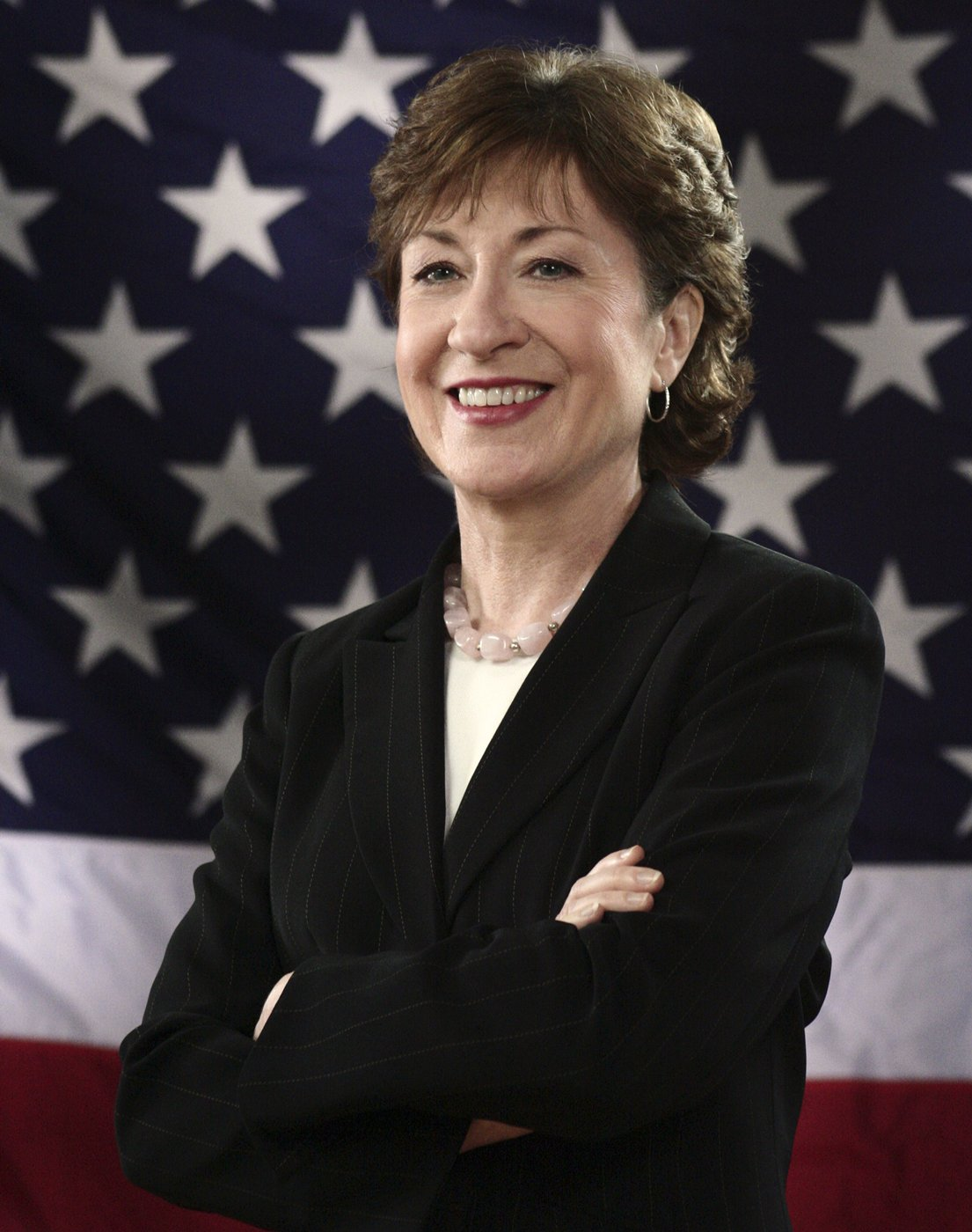
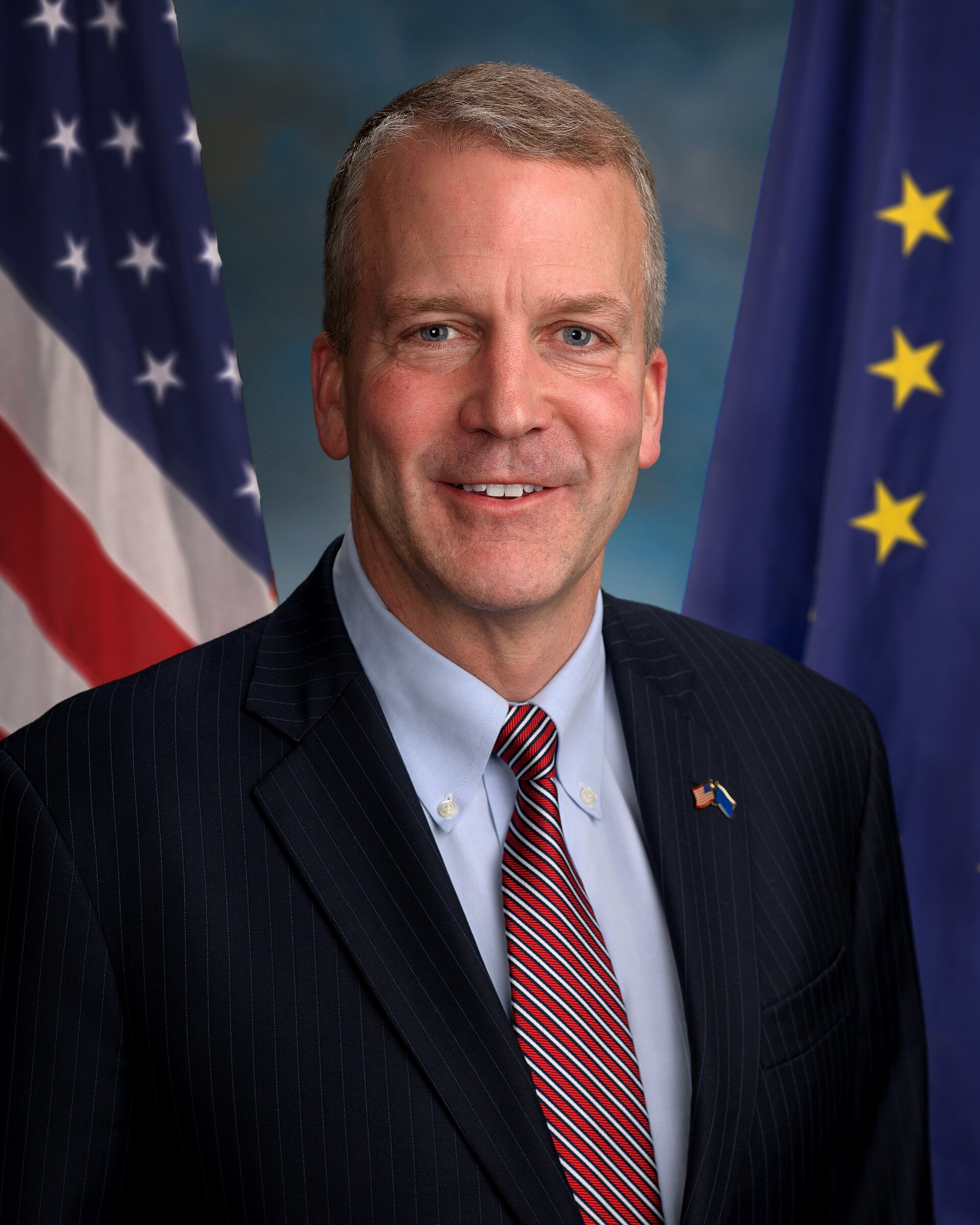
Tillis joined a bipartisan group of senators in issuing a letter denouncing the sanctions relief for Russia. The letter was signed by Republicans Susan Collins of Maine, Lisa Murkowski of Alaska, and John Curtis of Utah, as well as Democrats Jeanne Shaheen and Richard Blumenthal. The senators wrote that the United States should not provide Putin with a financial lifeline while Russia continues to kill Ukrainian civilians and called on the administration to immediately reverse course. Representative Don Bacon said on Friday that propping up Putin’s war economy is morally wrong as he uses that money to bomb cities.
Analysts say shipments are too small and too slow
Ashley Kelty, an energy analyst at Panmure Liberum, said the initial amount is so small it will not have any impact on prices. The 300,000 tonnes equates to about three-quarters of one day’s US diesel consumption, according to calculations using figures from the US Energy Information Administration. Kelty said shipping the diesel to the US would take about three weeks, as companies would need to charter vessels, load them, and transport the cargo, arriving roughly a week before the November 3 midterms. Kelty also said the diesel shipments would cause complications in the global supply chain, with multinational companies having to determine which supplies originated from Russia and might breach sanctions in other jurisdictions, including Europe.
Maximilian Hess, founder of Enmetena Advisory and a fellow at the Foreign Policy Research Institute, said the deal’s full terms are unlikely to be met due to Ukrainian drone strikes on Russian refining that have limited diesel output. Hess said the whole point of the deal for Putin is that it fails, which he can blame on Ukraine to stoke tensions between Trump and Zelenskyy. Indeed, Hess said, it is already working.
Fuel prices and political pressure
US diesel prices surged almost 70% since the Iran war began, to about $6.30 a gallon, according to the American Automobile Association. Observers have linked high diesel prices to challenging Republican polling numbers before the midterm elections. Trump blamed Ukraine’s strikes on Russian energy infrastructure for rising fuel prices and said Ukraine needed a new leader, suggesting on Saturday that Kyiv should get a new president who can make a deal. Zelenskyy said on Sunday he would be ready to stop hitting Russian oil refineries if Russia curbed its attacks on Ukrainian energy infrastructure. Trump later posted on Truth Social announcing an ENERGY CEASEFIRE, saying both parties had agreed.
Tillis said if Trump wants to end the strain on energy supplies, he should get things right in Iran and recognise that it was Vladimir Putin, not Zelenskyy, who started the war. “It’s Vladimir Putin who owns the responsibility for energy prices to the extent that they come from that part of the world,” Tillis said.
Sources & methods
- Al Jazeera, October 11, 2026 Archived Oct 11, 2026
- The Guardian, October 11, 2026 Archived Oct 11, 2026
Reporting based on three published news accounts corroborating deal terms, analyst assessments, and political reactions. Direct quotes drawn from verified source texts.