Senate confirms Trump’s former personal lawyer Todd Blanche as attorney general in a 50-49 vote
The narrow overnight vote places a presidential loyalist atop the Justice Department after months of standoff over his handling of Epstein files and a controversial compensation fund.
The Senate confirmed Todd Blanche as attorney general early Saturday in a 50-49 vote, ending a months-long standoff and installing President Donald Trump’s former personal defense lawyer atop the nation’s law enforcement apparatus.
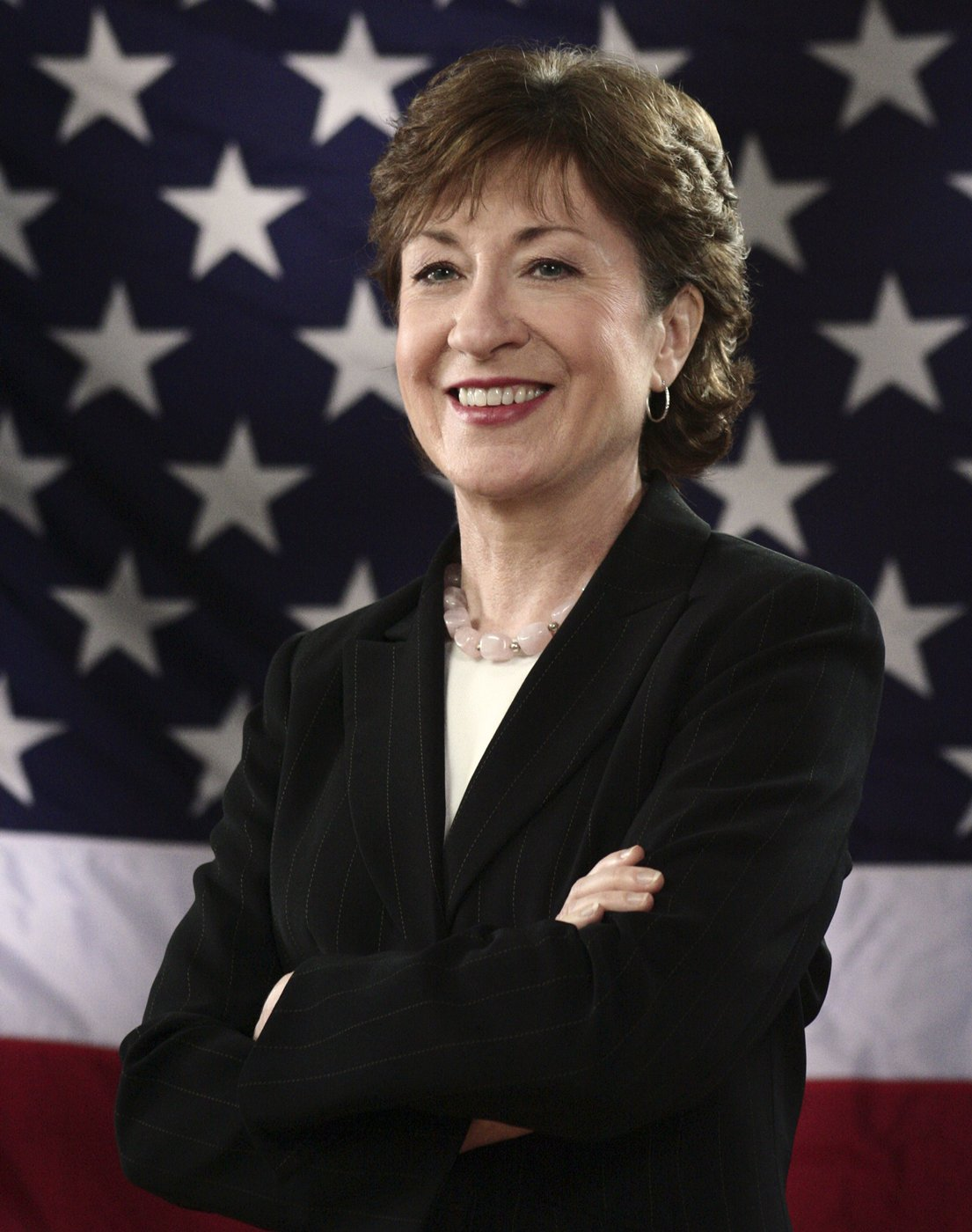
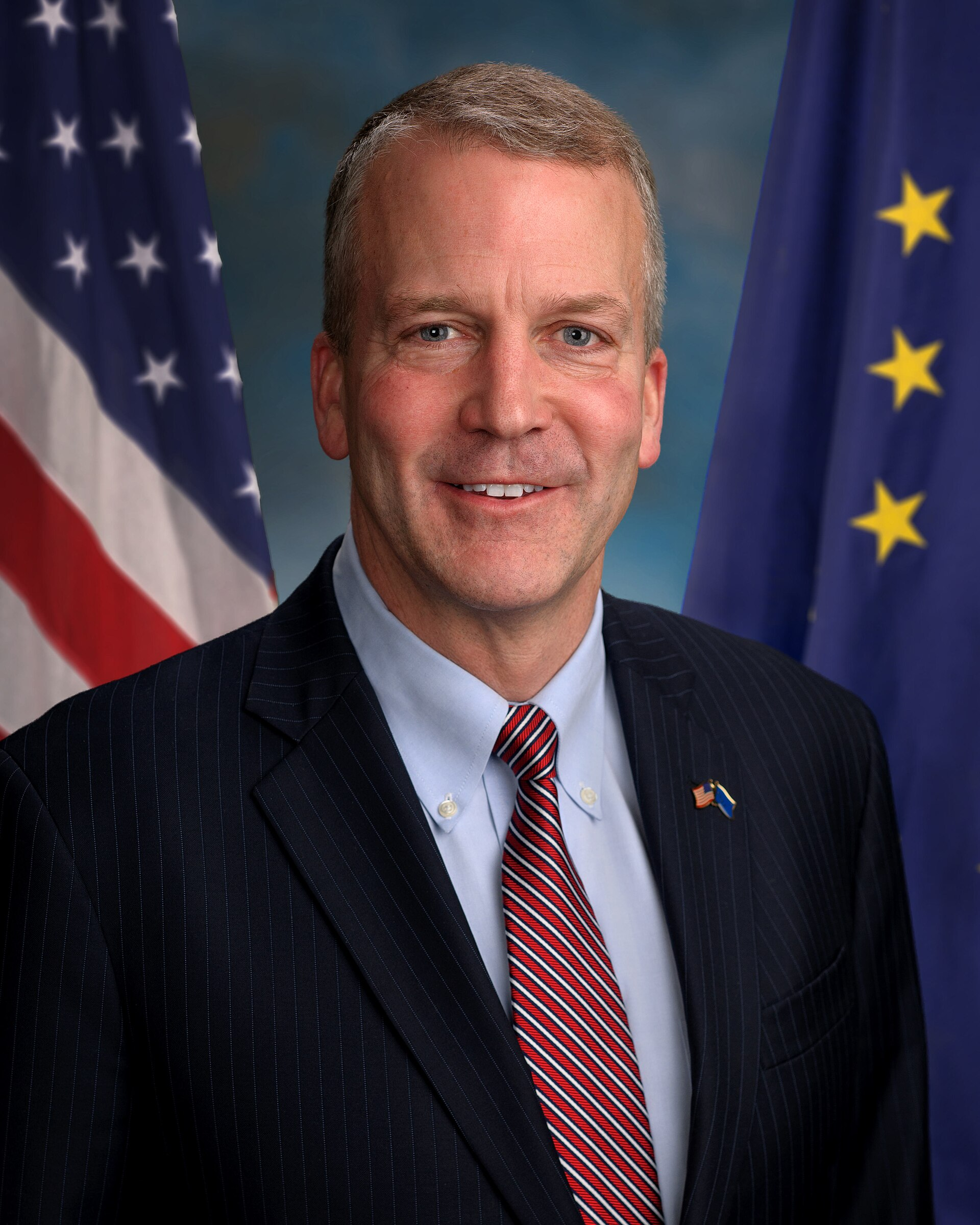
The vote was narrow. Two Republican senators, Susan Collins of Maine and Lisa Murkowski of Alaska, joined all Democrats in opposition. Senator Bill Cassidy of Louisiana cast the deciding vote, a decision watched closely in Washington given years of acrimony between the Republican and Trump.
Blanche has served as acting attorney general since April, when former Attorney General Pam Bondi was fired. He was already deputy attorney general at the time. His confirmation brings to an end a lengthy standoff between Senate Republicans and the Trump administration over the nomination.
After the vote, Blanche said he was “deeply honoured by the trust and confidence President Trump has placed in me.” Most Republicans swiftly celebrated the victory. Iowa Republican Senator Chuck Grassley, chairman of the Senate Judiciary Committee, wrote on X that Blanche had shown “extraordinary patience, compassion [and] tenacity” throughout the appointment process. “There’s no doubt he’s qualified,” Grassley wrote.
Concerns over Epstein files and compensation fund
Some Republican senators had raised concerns about Blanche’s handling of the release of Jeffrey Epstein-related documents and his role in establishing Trump’s $1.8bn “anti-weaponisation” fund. The Justice Department was required by bipartisan legislation to disclose all files related to Epstein by 19 December, with redactions only in extremely limited circumstances. While some files were disclosed on this deadline, many were released after the congressionally mandated cutoff. Blanche’s rollout was also criticized for redacting information that should have been public while disclosing survivors’ names.
The fund was planned to provide compensation to individuals who alleged government persecution. Critics including Murkowski feared it would go to individuals who were prosecuted for participating in the 6 January attack on Congress in 2021. Blanche eventually pledged to walk back the fund after blowback from Republican senators during his confirmation hearings. It remains unclear whether the commitment is legally binding or whether Trump could later persuade Blanche to revive a similar scheme under another name.
Murkowski announced on Friday she would oppose Blanche, citing concerns over the “politicisation” of the justice department and her lack of confidence in Blanche to “check the worst impulses of this administration.” Collins raised concerns about Blanche’s role in settling Trump’s $10bn lawsuit with the Internal Revenue Service, but said he ultimately trusted Blanche to give the president candid legal advice.
Cassidy’s deciding vote and Schumer’s rebuke
Cassidy’s vote carried particular weight. During Trump’s second impeachment in 2021, Cassidy voted to convict Trump over the 6 January Capitol riot. The vote did not pass, and when Trump returned to office, he successfully forced Cassidy into retirement by backing a primary challenger for his Louisiana Senate seat earlier this year. Before casting his vote, Cassidy said he believed Blanche was the best option the president would put forward.
“This is not a referendum on President Trump, it is a decision regarding Mr Blanche, in very specific circumstances,” Cassidy said on Friday. “All considered, I will vote for Mr Blanche.” Cassidy acknowledged that Trump is the ultimate decider on the direction of the justice department, but said Senate confirmation would give Blanche greater ability to push for things that should be pushed for.
Senate Democratic leader Chuck Schumer condemned the confirmation. In a post on X, Schumer said Blanche’s appointment would be an “excuse on a silver platter to keep up his pervasive, breathtaking corruption.” He wrote that Blanche “has no intention of stopping Trump’s corruption” and that “every senator who voted to confirm him has now branded themselves as an enabler, too.” Schumer said Senate Democrats will continue to resist the Trump administration’s “assault on the rule of law and undermining of democratic values.”
The Blanche vote was not the only action taken before dawn. Senate Republicans also pushed through a resolution confirming more than 70 Trump picks for roles including ambassadors, judges, and US attorneys. Among them was PWells Griffith, a former Trump aide who refused to testify to the House impeachment inquiry in 2019 by defying a subpoena. Griffith was confirmed as US ambassador to the International Atomic Energy Agency in Vienna.
Senators then departed for a five-week recess. Republicans managed to leave without meeting some of Trump’s demands, including passage of the Save America Act, a proposed bill that would restrict voting across the US. Trump had pushed senators to postpone their recess to green-light the act, but they reportedly told him portions would be included in a Republican budget package.
Sources & methods
- BBC News article on Todd Blanche's narrow confirmation as US attorney general, covering the Senate vote, Republican opposition, the Epstein document controversy, and the anti-weaponisation fund. Archived Aug 8, 2026
- The Guardian live politics blog covering the Blanche confirmation vote, Schumer's response, the broader slate of Trump nominees confirmed, and related political developments including the Michigan Senate race. Archived Aug 8, 2026
This piece was assembled from two source articles, one from BBC News and one from The Guardian, both reporting on the overnight Senate confirmation vote and its political fallout. All quotes, vote counts, and contextual details are drawn directly from those sources.