South Carolina runoff tests Trump’s sway as Darline Graham faces Ralph Norman for Senate nod
The 45-day sprint to replace the late Lindsey Graham ends Tuesday, with the president’s endorsed candidate and a self-styled MAGA congressman vying for a spot on the November ballot.
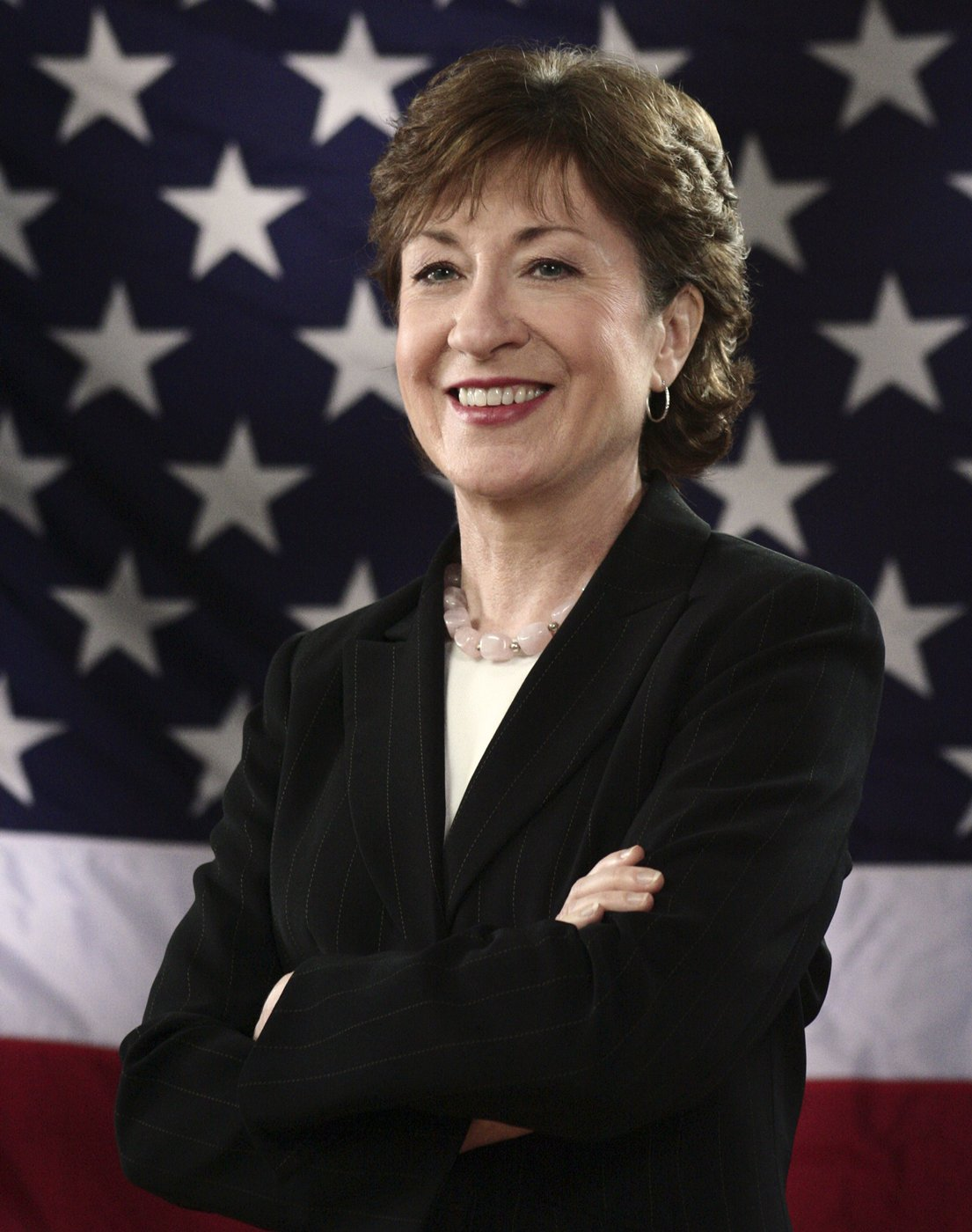
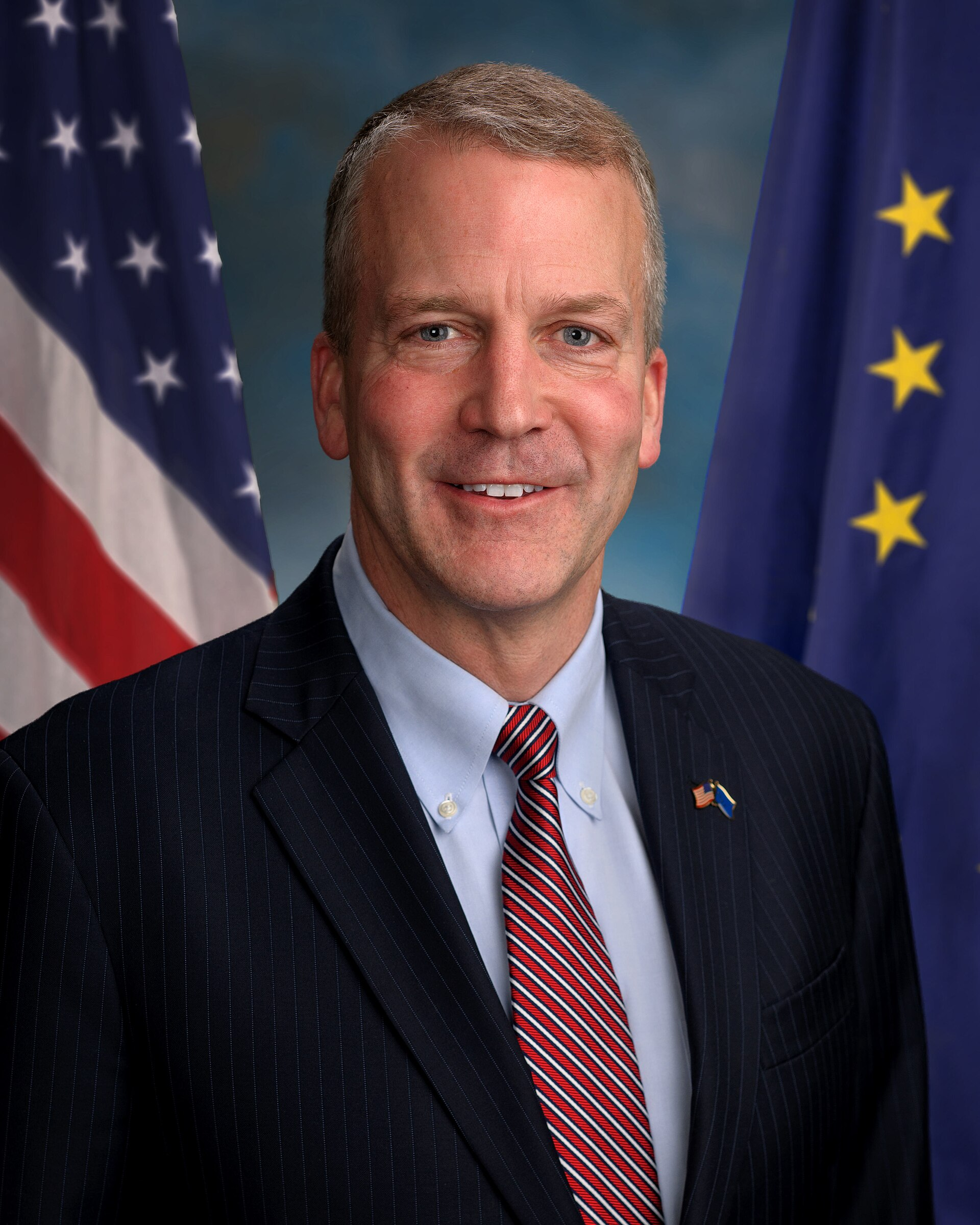
South Carolina Republicans return to the polls on Tuesday to settle a Senate nomination fight that has compressed a year of campaigning into 45 days, pitting the late Lindsey Graham’s sister against a five-term congressman who insists he is the true MAGA choice.
The runoff between Senator Darline Graham and Representative Ralph Norman concludes a sprint that began with Lindsey Graham’s unexpected death in July, just two days after he sailed to victory in the state’s Republican primary on June 9. Governor Henry McMaster appointed Darline, Lindsey’s sister, to fill the remainder of the term. State law required a fresh election to place a new nominee on the November ballot, setting off a hurried race that has drawn national attention as a barometer of President Donald Trump’s pull with Republican voters 10 weeks before the midterm elections.
Many observers expected Darline Graham to serve as a caretaker. She had spent her career as a civil servant, leading the state’s commission for the blind, and had no legislative record. Instead, she announced she would seek a full term, backed by Trump, who framed the endorsement as a favor to his late friend. “I asked her to do this,” Trump said at a rally in Myrtle Beach on Friday. “I said, ‘Darline, you gotta do it.’”
Graham placed first in the August 11 special primary, taking about 33 percent of the vote from a sprawling 10-candidate Republican field. Norman finished second with about 25 percent. Neither cleared the majority threshold, forcing Tuesday’s runoff. Graham swept the counties across central South Carolina, including the Columbia area, and the Lowcountry region around Charleston. She posted her highest margins in counties along the Georgia border. Norman ran strongest in the Piedmont and Upstate regions, including Greenville.
A question of readiness
Norman, described as the most conservative member of the U.S. House, has pressed the case that Graham is unprepared for the Senate. He has seized on a debate gaffe in which she responded to a question about defense policy by saying military stuff “is not my thing.” Norman offered an analogy to the Associated Press involving Clemson head football coach Dabo Swinney, asking how a prospect whose only qualification was being kin to Tom Brady would fare if pushed as a starter for six years. “Tell me how that analogy doesn’t work here,” he said.
Graham has leaned into her outsider status. “I have said many times I’m not a politician, certainly not a career politician,” she said recently. “I don’t speak politician.” She has framed her candidacy as a way to “carry my brother Lindsey’s legacy,” and since being sworn in last month she has voted along party lines, though little else is known about her politics. Lindsey Graham had built a reputation as a foreign policy hawk who championed the U.S. war against Iran and rallied support for Ukraine against the Russian invasion.
Norman’s highway billboards across South Carolina declare that “Voting for Ralph Norman is MAGA,” a direct counter to Trump’s endorsement of Graham. The president acknowledged the stakes at his Friday rally, telling supporters that critics say his people do not show up when he is not on the ballot. “So what I really want you to do is pretend, please, that I’m on the ballot,” Trump said. “Just come and vote.”
A broader electoral landscape
South Carolina is not the only state voting Tuesday. Oklahoma Republicans will settle an expensive gubernatorial primary between Attorney General Gentner Drummond and former state Senator Mike Mazzei, who finished first and second in a June 16 primary separated by a razor-thin margin. Drummond took 26.25 percent to Mazzei’s 25.97 percent. Both poured millions from their personal fortunes into the race, with Mazzei loaning his campaign more than $11 million and Drummond about $3 million. Trump endorsed Mazzei and has attacked Drummond. Trump’s picks overall in 2026 have had a strong record at the ballot box, but his endorsement is not a guarantee of victory.
Oklahoma Democrats, meanwhile, will choose a Senate nominee between nurse N’Kiyla Jasmine Thomas, who took about 45 percent of the primary vote, and lawyer and minister Jim Priest, who placed second with about 24 percent despite a significant fundraising edge. Priest reported about $56,000 in the bank as of August 5, compared with $455 for Thomas. The winner faces Republican Representative Kevin Hern, who won his primary with about 70 percent. Voters in Oklahoma will also decide two ballot measures, including one that would enshrine a voter identification requirement in the state constitution.
In Georgia, residents of the 13th Congressional District outside Atlanta will pick a replacement for the late Democratic Representative David Scott, who died on April 22. The runoff features former Gwinnett County School Board Chairman Everton Blair and Marcye Scott, the late congressman’s daughter, who led a five-candidate all-party field in July with about 46 percent to Blair’s 38 percent. The winner will serve the remaining months of Scott’s term. Neither candidate is running in November for the next full term, which begins January 3.
Back in South Carolina, the winner of Tuesday’s Republican runoff will face Democratic nominee Annie Andrews, a pediatrician, in November. Democrats have not won statewide office in South Carolina in two decades. Reese Boyd, chair of the Horry County Republican Party, marveled at the compressed timeline on Monday. “This is not the normal way of things,” he said. “People normally spend the better part of 18 months getting ready for it.”
Sources & methods
- The Guardian report on the South Carolina Senate runoff, covering the candidates, Trump's endorsement, and the campaign dynamics following Lindsey Graham's death. Archived Aug 25, 2026
- Al Jazeera overview of elections in South Carolina, Georgia, and Oklahoma, including polling details, primary results, and the broader stakes for the November midterms. Archived Aug 25, 2026
This piece was assembled from two published reports on the August 25 elections, cross-referenced for candidate names, vote totals, and direct quotes attributed to the original outlets.