Supreme Court rejects Trump administration’s bid to block California from counting disputed ballots
The one-line order ends a multi-court legal fight over roughly 20,000 mail-in ballots on the eve of the midterm elections.
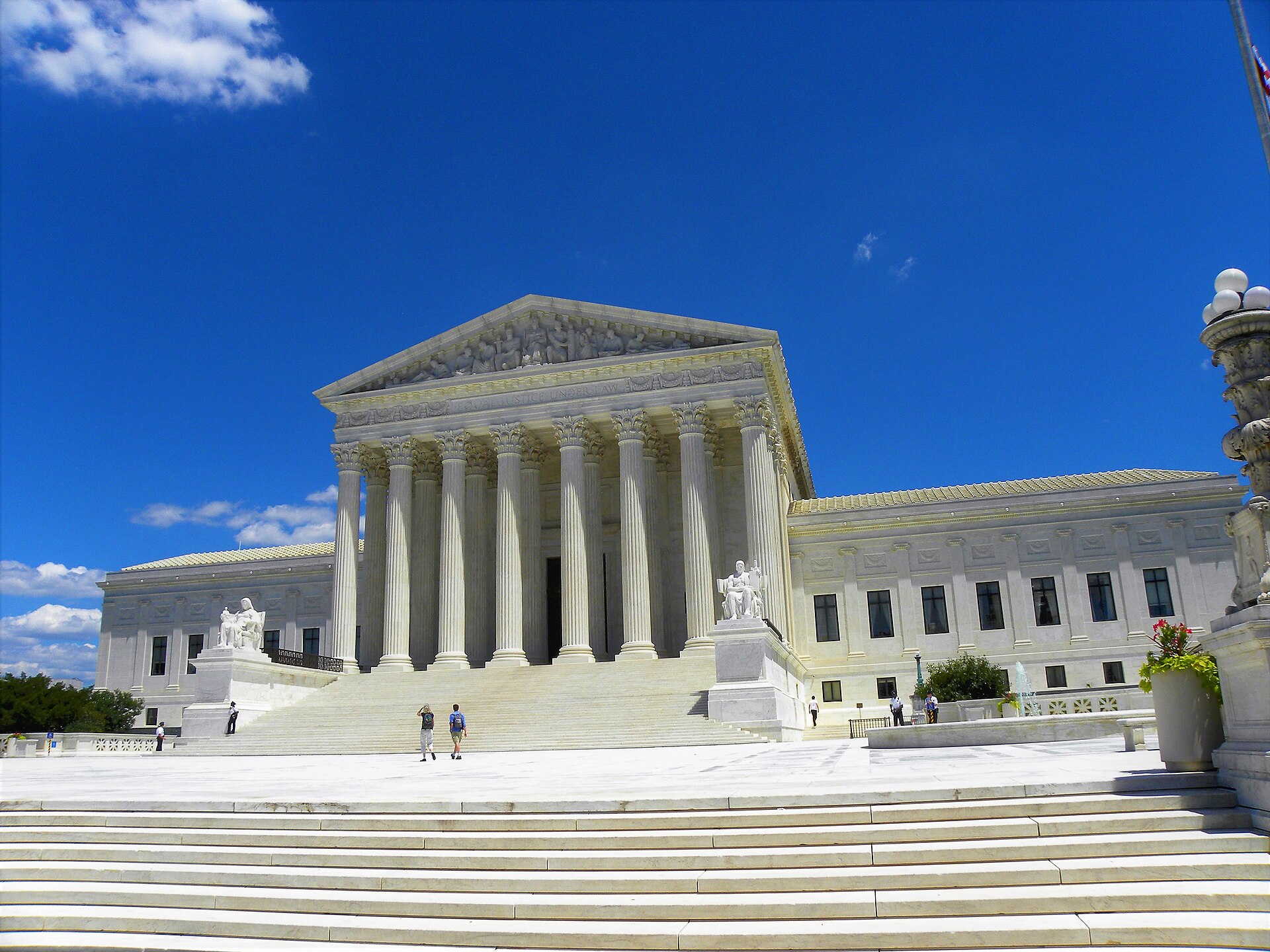
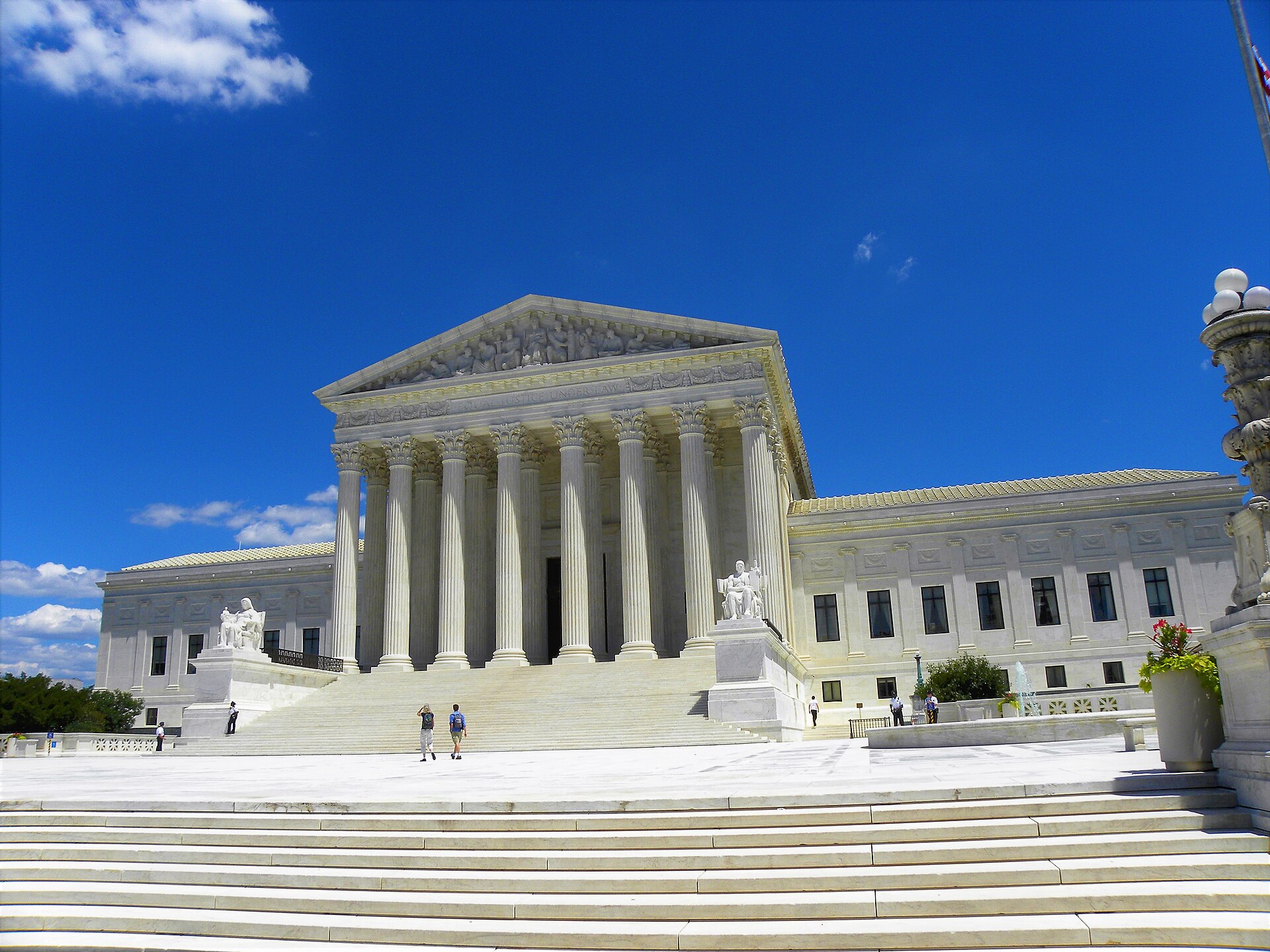
The U.S. Supreme Court rejected the Trump administration’s request to block California from counting disputed mail-in ballots, ending a fast-moving legal battle on the eve of the midterm elections.
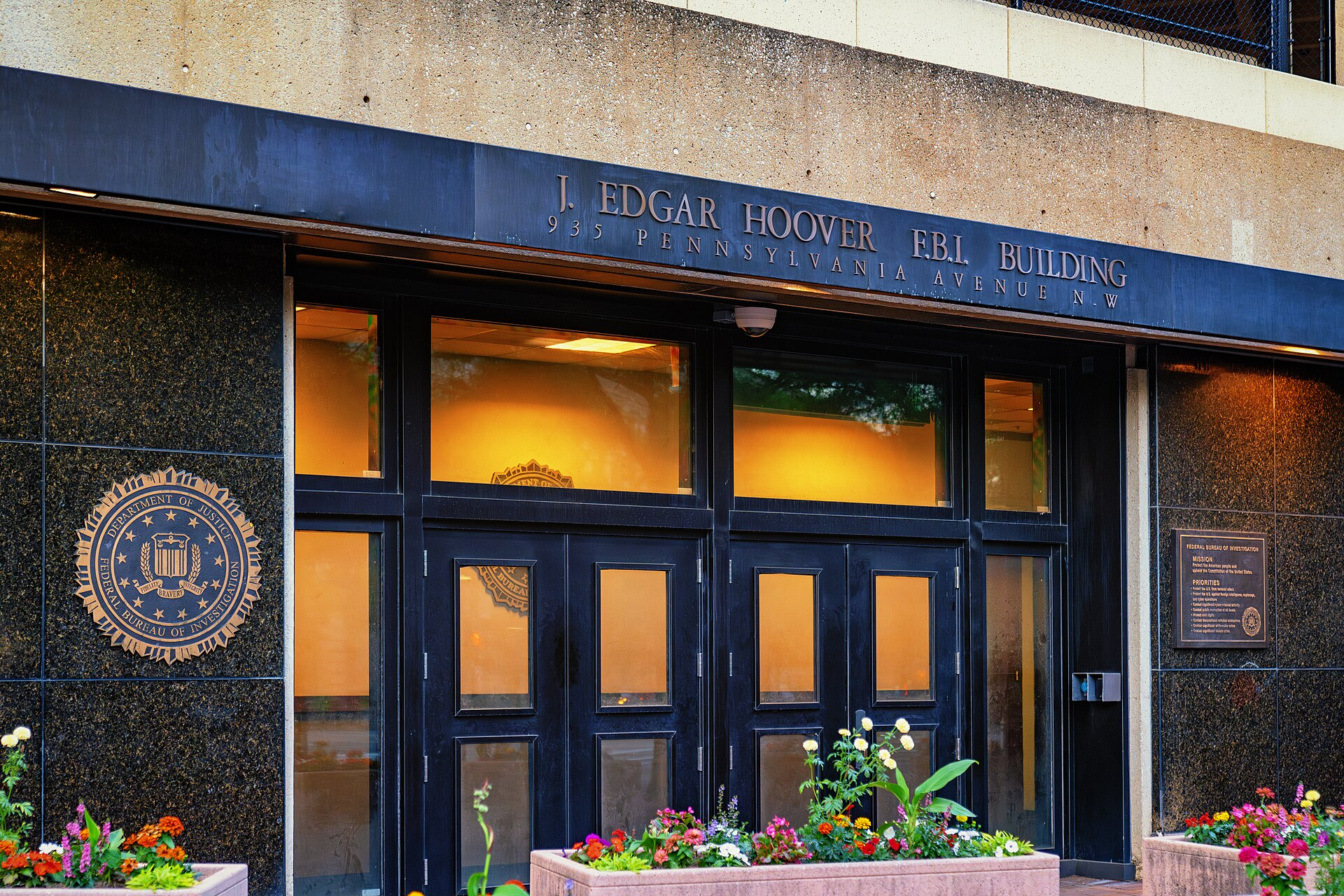
The Justice Department sought to set aside approximately 20,000 ballots it alleged may have been issued to non-U.S. citizens, but two lower courts had already rebuffed the request before the Supreme Court denied it in a one-line order hours after it was filed. The midterms will determine which party controls Congress for the last two years of President Donald Trump’s second term, and pollsters and analysts widely predict Democrats will make significant gains.
A one-line order, no dissents
The Supreme Court issued a one-line order denying the request without explaining its reasoning. The application was presented to Justice Elena Kagan and by her referred to the full Court, which includes three Trump appointees. No dissents were noted. The order came hours after the DOJ sought the injunction.
Lower courts pushed back hard
Judge David Carter issued a scathing ruling calling it part of an ongoing pattern of attempted election interference. “Never before in American history has the federal government, on the eve of an election, sought to coerce a state and local government to abandon their own Constitutional elections procedures and bend to the will of the Executive Branch,” Carter wrote. The 9th Circuit declined the government’s request on Friday in a two-to-one ruling, according to CNBC reporting. The majority consisted of Judges Mark Bennett, a Trump appointee, and Gabriel Sanchez, a Biden appointee, who said there is a material risk that granting the requested relief would result in disenfranchisement.
How the case began
The DOJ sued California in U.S. District Court in Los Angeles on Oct. 15, seeking to prevent state officials from tabulating mail-in ballots from voters it believed were likely non-citizens. The department sent letters to the California secretary of state and Los Angeles County Registrar demanding they set aside the ballots. About a week later, armed DHS officials delivered letters to county officials threatening criminal charges if the ballots were not sequestered. The DOJ had previously given Los Angeles County officials a thumb drive containing names of voters suggested to be noncitizens. Solicitor General D. John Sauer argued that once California commingles challenged ballots with lawful ones, there is no way to get them back. The DOJ maintained that ballots cast by non-citizens could debase or dilute valid votes.
Disputed lists and questionable accuracy
California election officials questioned the accuracy of the government’s claims about non-citizen voters. In a separate California case, a DOJ lawyer admitted to Judge Trina Thompson that the lists of purported noncitizens had a high error rate, though the lawyer argued the errors are evidence of why election officials need to examine rolls. Research shows voter fraud is extremely rare despite the administration’s claims. Trump has repeatedly claimed Democrats steal elections by allowing immigrants to vote illegally.
Reaction and wider stakes
California Attorney General Rob Bonta called the denial completely appropriate and a baseless Hail Mary. He noted the speed of the order and that the Court did not ask California to respond, saying they haven’t seen this type of order where they didn’t even ask for a response since 2018. On Sunday, a federal judge dismissed a separate DOJ lawsuit seeking to block Alaska election officials from certifying the U.S. Senate result under certain conditions; the DOJ is appealing. More than 6 million mail-in ballots had already been received as of Sunday night, according to the California secretary of state’s office.
Sources & methods
- BBC News reporting on the Supreme Court's denial and the lower-court proceedings Archived Nov 3, 2026
- CNBC reporting on the Supreme Court order, the 9th Circuit's 2-1 ruling naming Judges Mark Bennett and Gabriel Sanchez, the disenfranchisement risk finding, and reactions from California officials Archived Nov 3, 2026
This article draws on two published news reports, one from BBC News and one from CNBC, covering the Supreme Court’s order and the underlying litigation. Details of the 9th Circuit ruling, including the 2-1 vote, the identities of the majority judges, and the statement on disenfranchisement risk, are attributed to CNBC (Source 2). All facts are corroborated against the fact ledger compiled from those sources.