Trump administration signs nuclear cooperation agreement with Saudi Arabia, giving US firms priority access
The deal, now heading to Congress for a 90-day review, does not include the so-called gold standard restrictions that would bar Saudi Arabia from enriching uranium, drawing swift criticism from Democratic lawmakers and nonproliferation experts.
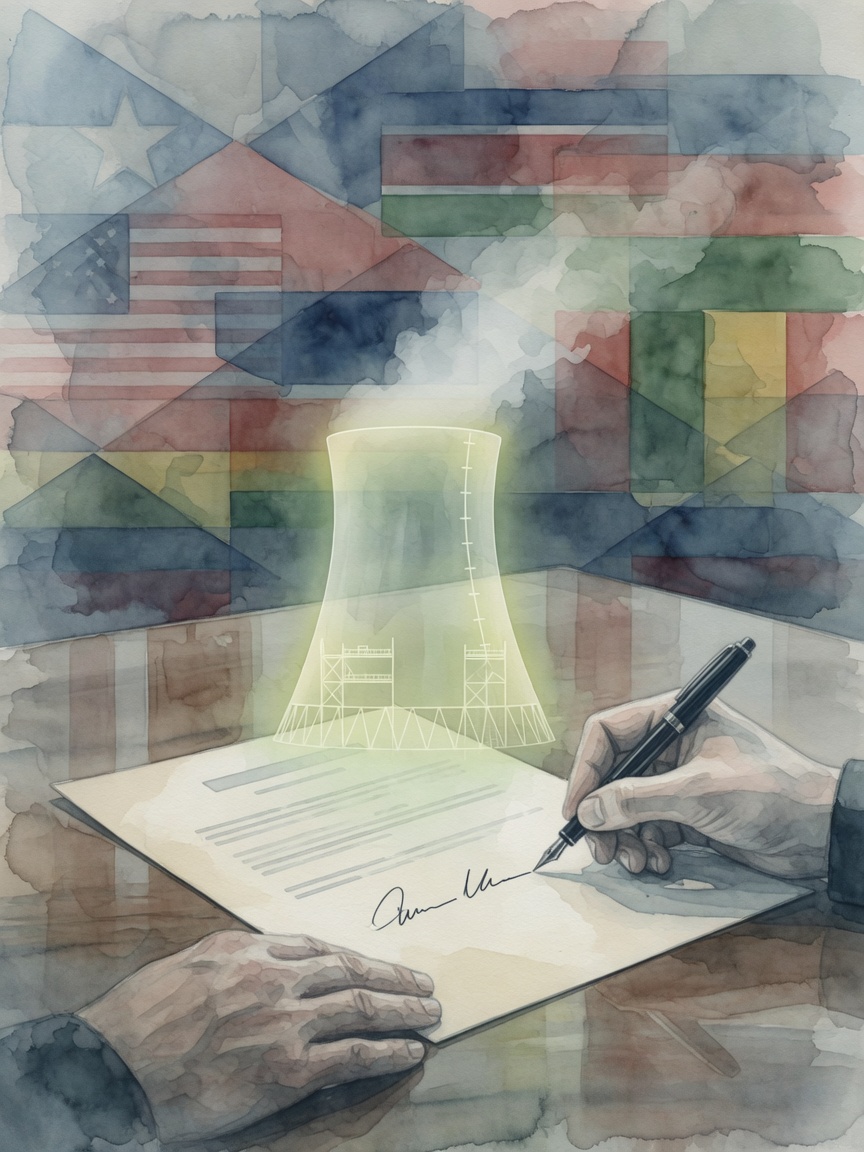
The Trump administration signed a nuclear cooperation agreement with Saudi Arabia on Wednesday, granting American companies priority access to the kingdom’s developing civilian nuclear energy program in a deal expected to last decades and be worth billions of dollars.
Energy Secretary Chris Wright and Saudi Energy Minister Prince Abdulaziz bin Salman signed the agreement, along with a separate bilateral safeguards accord, according to the Department of Energy. The department described the two agreements as laying the legal foundation for a partnership that advances nuclear nonproliferation and US regional security objectives.
The deal now goes to Congress. Lawmakers have 90 days to review it under the Atomic Energy Act, and some Democrats are already demanding hearings. The agreement gives American companies priority in supplying nuclear reactors and fuel to Saudi Arabia, according to an administration memo seen by NPR.
But the memo seen by NPR also said the agreement does not include provisions known as the gold standard, which would prohibit the kingdom from enriching uranium and reprocessing nuclear fuel, nor does it require Saudi Arabia to adopt terms that would lead to greater oversight from the International Atomic Energy Agency. That gap is at the center of the backlash.
Lawmakers demand the same terms as the UAE deal
Rep. Brad Sherman, a California Democrat, posted on X on Tuesday evening, before the agreement was announced, that Congress should approve the deal only if it has the same gold-standard safeguards as the US deal with the United Arab Emirates, under which the UAE does not produce its own fuel and accepts additional restrictions. Sherman wrote that a president waging war to prevent nuclear proliferation in the Middle East should not facilitate proliferation just because US companies stand to make a profit.
Senator Chris Murphy of Connecticut said in a social media post that the agreement will set off a nuclear race in the region, further disincentivizing Iran from limiting its own program. According to BBC News, Massachusetts Democratic Senator Edward Markey issued a statement condemning Secretary of State Marco Rubio and President Trump, saying their hypocrisy is matched only by their recklessness. BBC reported that Markey accused them of allowing Saudi Arabia, which he called a belligerent and authoritarian nation, to develop nuclear weapons technologies while starting a war with Iran under the guise of preventing an Iranian nuclear bomb.
BBC News also reported that several Democrats noted Rubio, as a senator, had endorsed a law called the No Nuclear Weapons for Saudi Arabia Act, which required Congress to sign off on a nuclear deal with the Saudis. Rubio pushed back, telling reporters while traveling in the Philippines that the US is not going to reach any agreement with any country in the world that leads to the risk of proliferation. Trump’s Republican Party currently controls both chambers of Congress, though some lawmakers on both sides of the aisle are expected to oppose the deal.
Experts warn of proliferation risk and diplomatic fallout
Rosemary Kelanic, director of the Middle East program at the US-based Defense Priorities think tank, told BBC News it would be quite shocking if the deal includes the US allowing Saudi Arabia to have facilities to enrich uranium. She said the US has never helped another country enrich on its own soil, because if a country can produce its own nuclear fuel, it becomes a much bigger risk for building nuclear weapons.
Matthew Bunn, a nuclear proliferation expert at Harvard’s Kennedy School of Government, told NPR’s All Things Considered that the deal may make negotiating a reasonable agreement with Iran more difficult. He said Iran was less likely to sign an agreement involving intrusive inspections of its nuclear program if Saudi Arabia was not committing to such agreements.
Nuclear experts and former officials in Israel also voiced concern that the plan could ultimately lead to Saudi Arabia being able to develop a nuclear weapon, though many experts say that path would likely take decades and lead to pushback from the international community. NPR reported that Saudi Crown Prince Mohammed bin Salman has said that if Iran were to develop a nuclear weapon, Saudi Arabia would follow suit.
The announcement comes as fighting escalates between the US and Iran. Saudi Arabia, a longtime US ally, hosts several US bases that have been targeted by Iranian attacks. According to BBC News, the deal was signed two days after Iran’s allies in Yemen, the Houthis, announced a maritime blockade against the kingdom. BBC also reported that the US and Israel say one of the reasons they attacked Iran was to prevent the country from ever developing a nuclear weapon, something Iran denies planning.
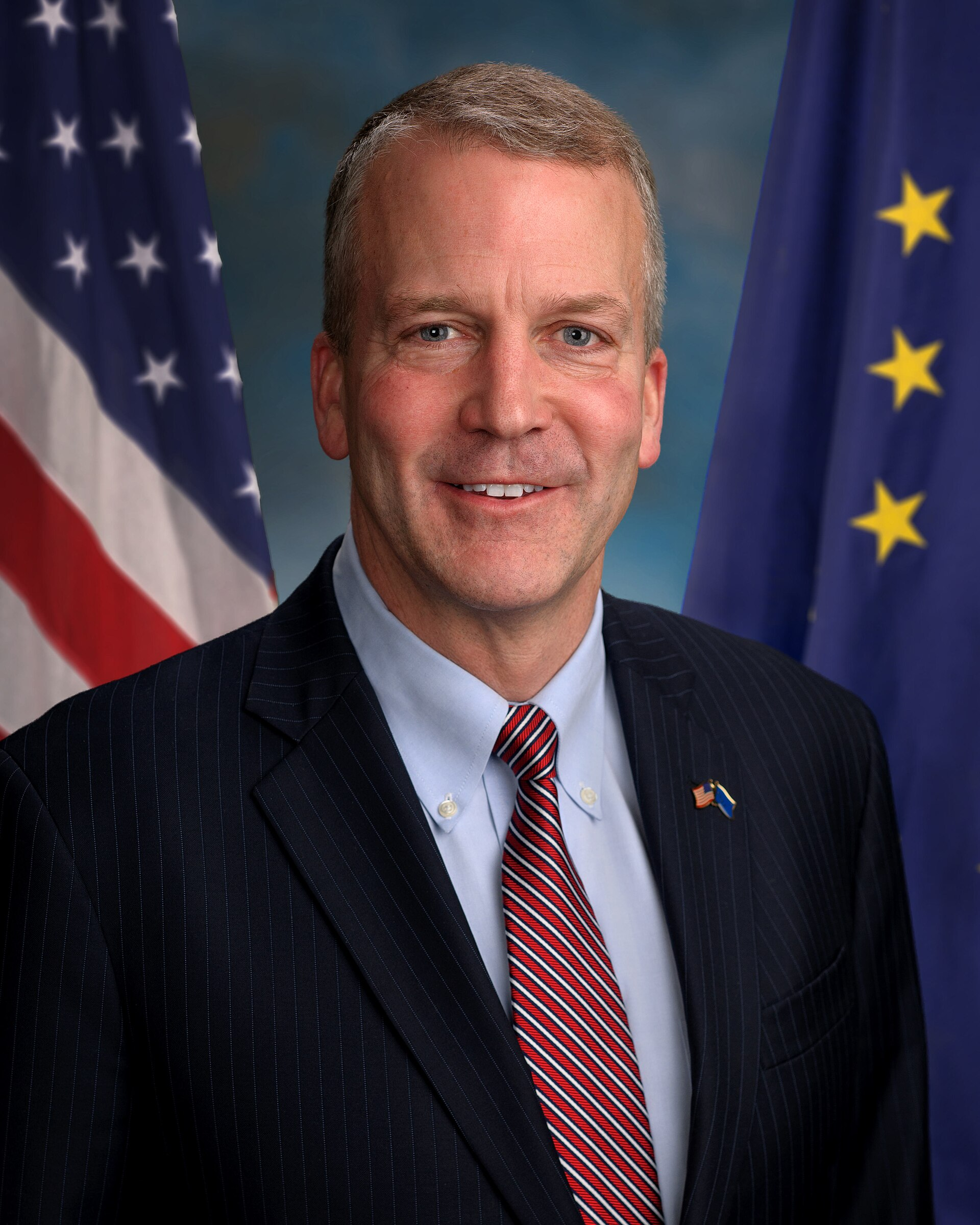
For US industry, the agreement opens a significant market. Westinghouse CEO Dan Sumner called the deal a landmark step that will strengthen energy security and expand opportunities for US industry, CNBC reported. Westinghouse, owned by Canadian uranium miner Cameco and Brookfield, developed the AP1000 large reactor. Jonathan Hinze, president of UxC, a firm that provides information on the nuclear fuel market, told CNBC that the agreement would allow Westinghouse, Bechtel, BWXT, Centrus and other companies to sell sensitive nuclear equipment to Saudi Arabia. Without the agreement, he said, US nuclear companies would remain shut out and the Saudis would likely turn to France, Russia, or China.
Saudi Arabia produces virtually all of its domestic energy from fossil fuels. Nearly 60 percent of its electricity comes from natural gas and around 40 percent from oil, according to the International Energy Agency. BBC News reported that the kingdom has lobbied for such a deal for years under multiple presidents, but Washington had previously held out with a key demand that Saudi Arabia recognise Israel and normalise diplomatic and economic relations. According to BBC, that demand appears to have been dropped as a condition, and Russia and China have reportedly been in discussions on something similar, meaning the US might not have wanted to miss out.
Sources & methods
- BBC News report on the US-Saudi nuclear cooperation agreement, including expert commentary, regional context, and details on congressional opposition Archived Jul 23, 2026
- NPR report on the Trump administration's nuclear deal with Saudi Arabia, citing an administration memo seen by NPR and expert interviews Archived Jul 23, 2026
- CNBC report on the nuclear power agreement, including industry reactions and Saudi energy statistics Archived Jul 23, 2026
This article was assembled from three published news reports cited above, cross-referencing details on the agreement’s terms, congressional response, expert commentary, and industry impact. No independent reporting was conducted.