Trump announces Russian diesel deal after Putin call, waiving sanctions he signed weeks earlier
The agreement to import over 300,000 tons of diesel immediately drew fury from Zelenskyy and bipartisan criticism at home, exposing a collision between Trump’s fuel-price politics and his own Russia sanctions policy.
President Donald Trump announced a deal to import Russian diesel into the United States on Friday, saying he reached the agreement with President Vladimir Putin in a phone call earlier that day. Writing on Truth Social, Trump said Russia would immediately supply over 300,000 tons of diesel to the American and global marketplace, with further tranches to follow.
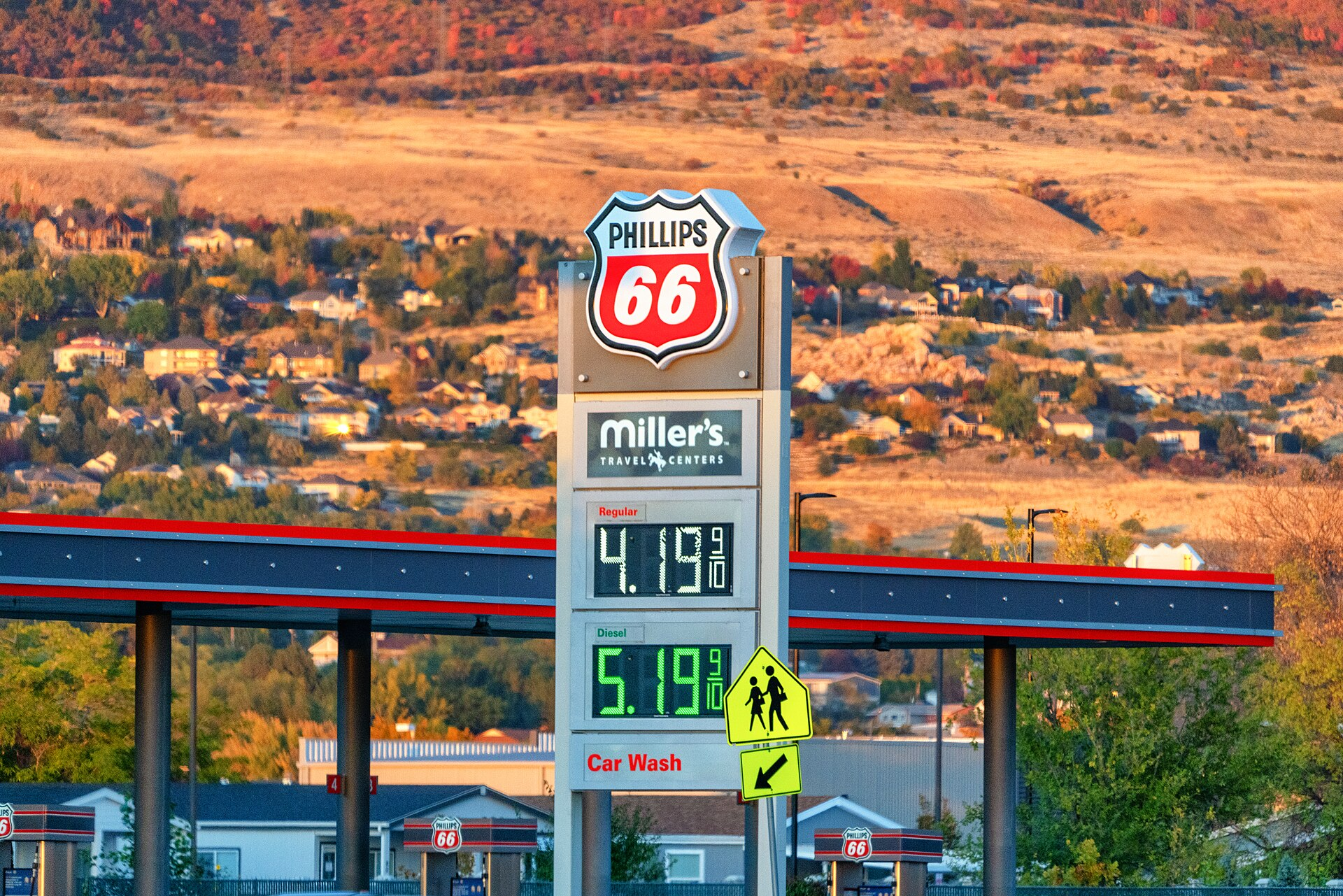
The full supply schedule calls for 500,000 tons in November, 1 million tons immediately thereafter, and 3 million tons more within a short period, dependent on the condition of Russia’s refineries. Shortly after Trump’s announcement, the Treasury Department issued a temporary general license waiving sanctions on Russian diesel loaded onto tankers as of Friday, with the waiver running to April 2027. The move is a direct contradiction of a sweeping Russia sanctions law Trump signed just last month, which was aimed at clamping down on Moscow’s energy revenues. Diesel prices hit a record high of $6.52 per gallon on Sept. 22, and fuel prices have surged broadly due to the Iran war’s impact on global energy markets. Trump is under intense political pressure to reduce fuel prices ahead of the November midterm elections, with Republicans facing competitive races in conservative strongholds where farmers and truckers have been hit hard by the soaring cost of diesel.
Zelenskyy calls negotiations a ‘smokescreen’
Ukrainian President Volodymyr Zelenskyy condemned the deal in stark terms, calling it an investment in a war that must be ended, not prolonged. He warned that Russia would repay the diesel with further terror and perfidy, and said the Ukrainian negotiating team was being used as a smokescreen for the agreement. The announcement came as Trump’s envoys, Steve Witkoff and son-in-law Jared Kushner, were meeting with Ukrainian and European officials in Miami on Friday to discuss proposals to end the Russia-Ukraine war. Zelenskyy told Axios the deal looks like a happy birthday present for Putin, adding that it looks absolutely terrible. Putin turned 74 earlier in the week.
Bipartisan backlash and analyst skepticism
The deal drew immediate criticism from both sides of the aisle. Rep. Don Beyer, the senior House Democrat on the Joint Economic Committee, called Trump’s announcement infuriating and said lifting sanctions on Russian fossil fuels was a mistake, accusing the president of not being trustworthy on Russia. Sen. Chuck Schumer, joined by Sen. Jeanne Shaheen and Sen. Elizabeth Warren, issued a joint statement calling the deal a failure on every front. Rep. Don Bacon, a Nebraska Republican, called the agreement morally wrong, saying propping up Putin’s war economy funds the bombing of cities, and said Trump’s policies toward Russia and Ukraine are failures. Analysts also questioned whether the deal would deliver on its promise. Tim Armitage, an investment strategist at Quilter Cheviot, said the first tranche equates to approximately 2.25 million barrels against daily U.S. consumption of 3.8 million barrels, so it won’t make a material difference to pump prices. He said it does appear to be a slightly desperate move by Trump to try to lower inflation ahead of the midterms. The supply constraints are real: the International Energy Agency estimates Russian diesel production has fallen about 30%, and Russia banned diesel exports earlier this year due to domestic shortages caused by Ukrainian drone strikes on refineries.
The White House did not clarify who is paying for the diesel or when it would become available. The United States has not imported Russian oil or gas since 2022, when the Biden administration banned them. Russian Deputy Prime Minister Alexander Novak told the state news agency Tass that Russia is immediately lifting restrictions on diesel exports ahead of schedule and could start supplies to the U.S. in October.
Sources & methods
- BBC News, reporting on Trump's diesel deal announcement, analyst reaction, and UK government response Archived Oct 10, 2026
- NPR, reporting on the Treasury license, sanctions law, Zelenskyy's statement, and Novak's comments to Tass Archived Oct 10, 2026
- The Guardian, reporting on Zelenskyy's fury, bipartisan backlash, and the Miami envoy meetings Archived Oct 10, 2026
- CNBC, reporting on the diesel supply schedule, sanctions waiver, and political pressure ahead of midterms Archived Oct 10, 2026
Reporting drawn from four published accounts of Trump’s Oct. 9 announcement. Key facts, including the diesel supply schedule, the Treasury license, and Zelenskyy’s response, were corroborated across sources. Two disputed figures were resolved per the brief. The Sept. 22 record high of $6.52 per gallon was confirmed by two sources. The April 2027 waiver date was also confirmed by two sources. Disputed items, including the current average diesel price and the Witkoff-Kushner meeting location, were handled by using only multiply sourced figures or attributing single-source details to the source that established them.