Trump signs executive order to split MMR vaccine and cut childhood vaccine recommendations
The order reduces recommended childhood shots and breaks up the measles, mumps, and rubella vaccine, drawing condemnation from pediatricians and a Republican senator.
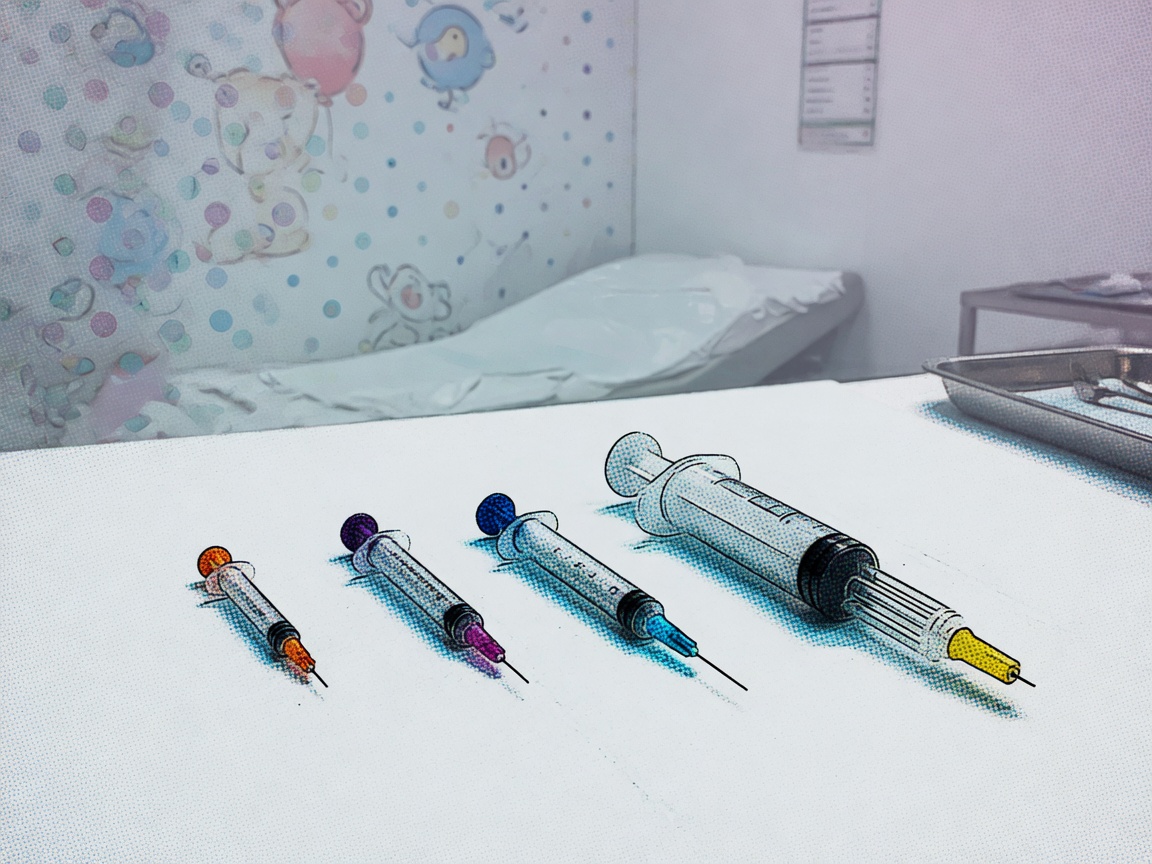
President Donald Trump signed an executive order on Monday calling for fewer childhood vaccines and the breakup of the measles, mumps, and rubella shot into three separate injections, a move that drew sharp condemnation from pediatricians, medical groups, and a Republican senator who warned it would make children less safe.
The order, signed in the Oval Office on Monday afternoon, would reduce the number of federally recommended childhood vaccines from 18 to 11, according to the BBC, though NPR reported the reduction as from 17 to 11. The Guardian reported that the administration would no longer recommend hepatitis B, Covid-19, and influenza shots for children. The 11 immunizations recommended under the order cover measles, mumps, rubella, diphtheria, tetanus, pertussis, polio, Haemophilus influenzae type B, pneumococcal disease, human papillomavirus, and varicella, or chicken pox.
Trump said his administration “is recognising gold standard childhood vaccine recommendations for only 11 core vaccinations against the most serious and dangerous diseases,” the BBC reported. He tied the changes to autism rates. “Decades ago, children received only a small fraction of the vaccines required today,” Trump said. “In those times, people were much healthier and of course the high rates of autism now observed did not exist.” Decades of scientific evidence have shown no link between autism and childhood vaccines. A 2019 Danish study of 657,461 children concluded that the data did not support the MMR vaccine causing or triggering autism.
Doctors and lawmakers push back
Dr. Andrew Racine, president of the American Academy of Pediatrics, called the executive order “disheartening” and “dangerous.” He pointed out that it comes as measles cases reach a 35-year high in the United States, with cases also rising globally. “Instead of ensuring every family can access life-saving vaccines for measles, influenza, RSV and more, federal leaders are once again spreading misleading claims,” Racine said in a statement on Monday. He said there was no new evidence to justify the significant changes, adding that the order was not based on “gold-standard science.” “Delaying or skipping shots is risky, especially as measles continues to spread and children go back to school,” Racine said.
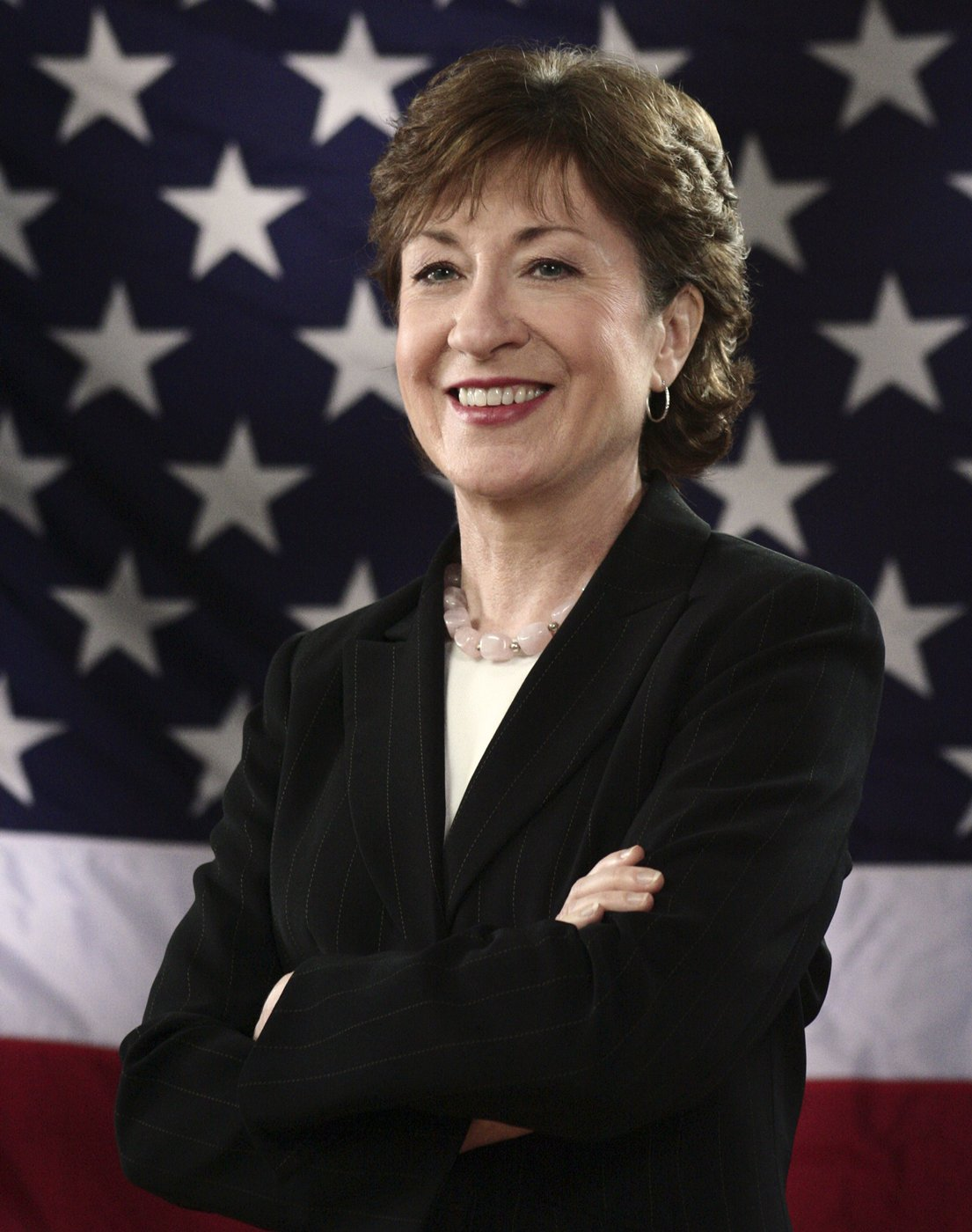
Republican Senator Bill Cassidy, a trained physician who chairs the Senate health committee, called the order “wrong.” “The President does not have the expertise to make these changes,” Cassidy wrote on social media. “Vaccines are overwhelmingly safe. Vaccines are effective. Vaccines DO NOT cause autism.” Cassidy warned that breaking up vaccines would mean children need more shots, not fewer, and would increase hesitancy. He urged parents to “listen to their child’s pediatrician about vaccines rather than listening to an inaccurate executive order.”
Jan Carney, president of the American College of Physicians, called the changes “problematic and deeply concerning,” saying the order was part of a troubling pattern of unilaterally changing vaccine guidance rather than relying on transparent scientific review. She warned that the changes could increase costs to patients and families, including additional copays, while placing a greater burden on families needing to schedule multiple appointments. Democratic Representative Frank Pallone said the order cuts out “the expertise of independent scientists altogether” and accused the White House of curating a list to “rubberstamp Secretary Kennedy’s radical anti-vaccine agenda.” Democratic Senator Patty Murray urged parents to “listen to your doctor NOT Trump or RFK Jr.”
Practical barriers and legal questions
The separate single-disease MMR vaccines are not currently available in the United States, and public health experts say it could take years for them to become available, NPR reported. The Centers for Disease Control and Prevention says there is “no published scientific evidence that shows any benefit in separating the combination MMR vaccine into three individual shots.” The agency says most people who get the MMR vaccine do not have any serious problems with it, and that getting the vaccine “is much safer than getting measles, mumps, or rubella.”
Health Secretary Robert F. Kennedy Jr., a longtime vaccine skeptic, said the proposed changes were meant to give parents choice, not prohibit access to childhood vaccines. The federal government does not have the authority to implement the new recommendations directly, as shots required for school attendance are set at the state level, the BBC reported. The order also directs the Justice Department to investigate whether states are in violation of exemptions for childhood vaccine mandates, including parental authority, disability accommodations, and religious and medical reasons, according to CNBC. NPR reported that the order directs the Justice Department to pressure states to reduce the number of vaccines required for school.
The order is likely to face legal challenges, as previous similar attempts to change the childhood vaccination schedule have been, NPR reported. A similar move by the CDC in January was later blocked by a judge. Trump acknowledged that multiple doctor visits would be inconvenient for parents but argued it would be worth it. “It’s inconvenient, it’s five stops, but it’s something that I think will have a huge impact on autism,” he said, according to CNBC. There is no scientific evidence that spacing out vaccines reduces autism risk. The White House confirmed that changes in vaccine recommendations would not change insurance coverage for the shots, CNBC reported.
Dr. Aaron Milstone, also with the American Academy of Pediatrics, emphasized that infections vaccines have largely eliminated can be deadly. “We had two healthy children die in the United States in the last year from measles virus,” Milstone said, according to NPR. “Why would we not give children a vaccine that is safe that prevents death?” The order arrives as the United States logs its worst year for measles infections in decades, CNBC reported, and vaccination rates for children have fallen since the Covid-19 pandemic. Anti-vaccine advocates celebrated the order. Brian Hooker, chief scientific officer at Children’s Health Defense, a group Kennedy worked with in the past, told NPR, “I’m very happy with the change.” By dropping to only 11 recommended vaccinations, the United States becomes an outlier among high-income countries, according to fact-checking by Stat News reported by Ars Technica. The only other country that recommends so few is Denmark.
Sources & methods
- BBC report on Trump's executive order to limit childhood vaccines and split MMR shots, including Trump's remarks, CDC guidance, and statements from Racine and Cassidy Archived Aug 11, 2026
- NPR report on Trump and RFK Jr.'s executive order, including details on separate MMR shot availability, DOJ pressure on states, and reactions from Milstone and Hooker Archived Aug 11, 2026
- Guardian live coverage of the executive order signing, including Trump's remarks on separate visits, dropped recommendations for hepatitis B, Covid-19, and influenza, and statements from Carney, Pallone, and Murray Archived Aug 11, 2026
- CNBC report on the executive order, including Trump's false linking of vaccines to autism, DOJ investigation of state exemptions, insurance coverage confirmation, and measles infection data Archived Aug 11, 2026
- Ars Technica report on the executive order, including Trump's claims about vaccine volume, debunked autism claims, and Stat News fact-checking on international vaccine recommendation comparisons Archived Aug 11, 2026
This article was assembled from five published reports covering the September 2025 executive order signing, cross-referencing direct quotes, agency guidance, and statements from medical leaders and lawmakers across BBC, NPR, the Guardian, CNBC, and Ars Technica.