Trump suspends congressionally mandated Russia sanctions two days before they take effect, framing the move as keeping Moscow at the negotiating table
The suspension, announced on Truth Social and described by Secretary of State Marco Rubio as a 60-day pause, comes amid a deepening rift between Washington and Kyiv over a Russian diesel import deal and disputed disruptions to US military support for Ukraine.
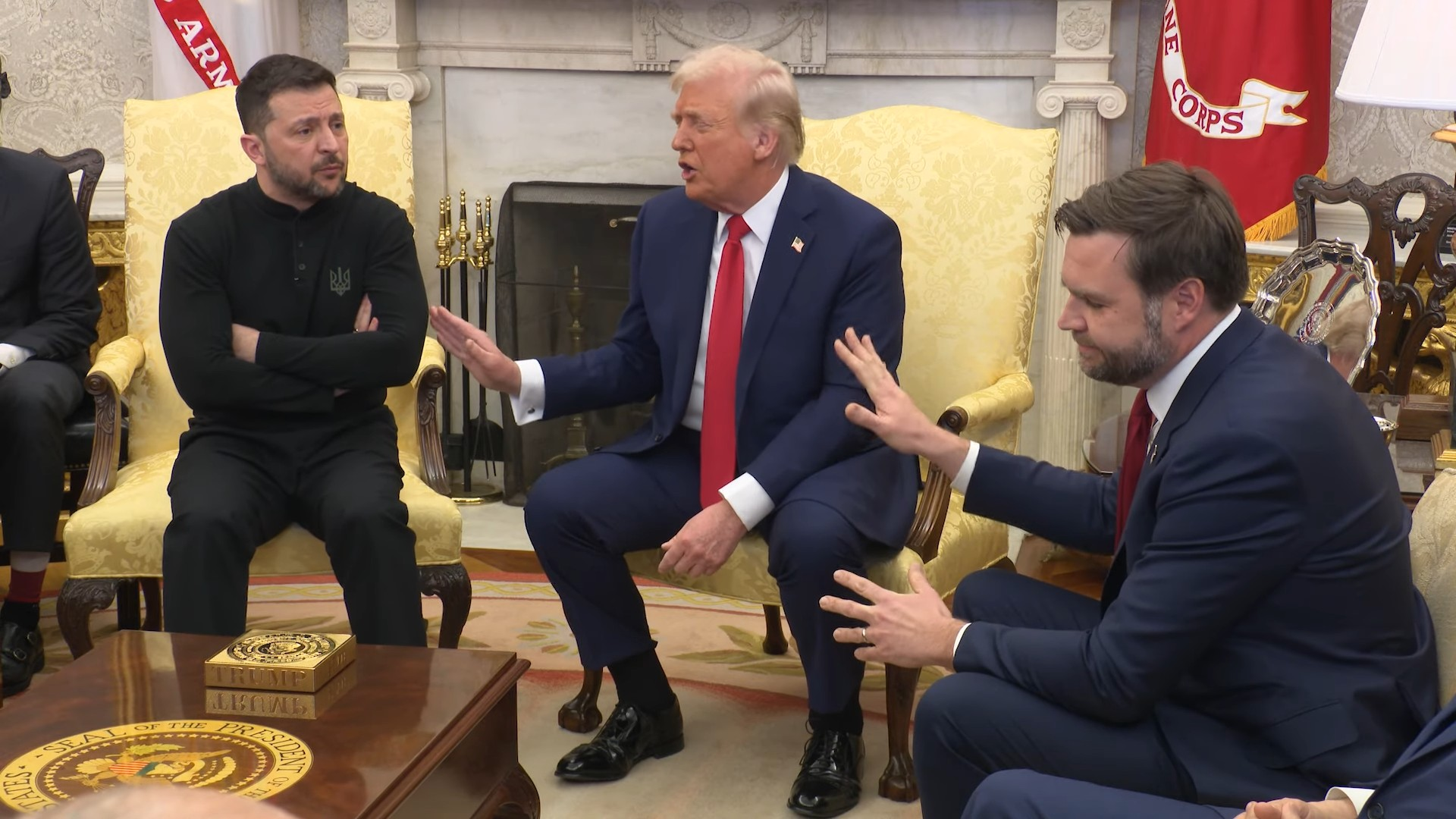
Trump blocked numerous sanctions on Russia on Friday night, two days before they were due to take effect. The announcement was made on Truth Social, where he cited the need to keep Moscow at the negotiating table.
“My decision on Russia is a very simple one,” Trump wrote. “I am in the process of negotiating Peace in the war between Russia and Ukraine, and don’t want to do anything that will drive, foolishly, Russia away from the bargaining table.” Secretary of State Marco Rubio described the suspension as a 60-day pause during which the sanctions’ potential impact on the US and global economies would be analysed. The sanctions were passed by the US Congress and signed into law in September. Russian envoy Kirill Dmitriev called Trump’s order “an important and truly historic moment” and said the sanctions would have inflicted “serious damage” on the US and global market.
Trump used the same Truth Social post to escalate his attacks on Ukrainian President Volodymyr Zelenskyy, accusing him of not wanting to end the war and probably never did. Trump said Zelenskyy “could have made a better deal two years ago than he can now.” Zelenskyy, speaking to NBC News’ Meet the Press on Sunday, said waiving sanctions “will hurt Ukraine” and would strengthen Putin’s war effort. At an EU summit, after Trump said Zelenskyy was “more difficult to deal with” than Putin, Zelenskyy said it was nice to be among “real leaders.” Zelenskyy also posted on X on Sunday about talks with US presidential envoys Steve Witkoff and Jared Kushner as part of “virtually non-stop communication” aimed at “next steps in diplomacy.” He said he believed the Trump administration would lift more sanctions against Russia.
The diesel deal and the energy crisis
Trump announced plans on October 9 for Russia to supply more than 300,000 metric tonnes of diesel to US and global markets. Fuel prices soared since the US and Israel launched war on Iran in late February, leading Tehran to effectively close the Strait of Hormuz, through which one-fifth of global energy exports transited before the war. Ukraine and European allies criticised the diesel deal. Zelenskyy said the diesel deal was tantamount to the US investing in Russia’s war effort. Trump countered that Kyiv was launching attacks on diesel refineries in Russia despite knowing it was “seriously hurting the world diesel markets.” Trump’s embrace of Russian energy has angered not only Kyiv but also European partners and many US officials, who say the move rewards Moscow while it continues its war against Ukraine.
Starlink, intelligence, and a widening rift
Concerns that Trump is siding with Russia have been heightened by disruption to Starlink, a US-provided satellite system used by Ukraine. Zelenskyy said US officials linked Starlink speed restrictions to technical issues, but Ukraine tested Starlink on EU territory and found it operating at higher speeds. Trump denied deliberately slowing down the Starlink network and denied stopping sharing defence intelligence. Russia and Ukraine continued to strike each other’s energy sites, with Moscow leaving thousands without power, and Kyiv carrying out the largest drone attack on Russia, in St Petersburg, since the war began. Russia launched a full-scale invasion of Ukraine in February 2022.
Sources & methods
- BBC News reporting on Trump's suspension of Russia sanctions, the diplomatic fallout with Zelenskyy, and disruptions to Starlink and intelligence sharing. Archived Oct 19, 2026
- Al Jazeera reporting on Trump's Truth Social defence of sanctions relief, the Russian diesel deal, the Iran war context, and US-Ukraine diplomatic contacts. Archived Oct 19, 2026
This article draws on reporting from BBC News and Al Jazeera, cross-referencing corroborated facts across both sources and attributing single-source claims to their respective outlets.