Trump threatens a tremendous tax on U.S. tech firms building AI data centers abroad
The president announced the policy at a White House press conference on Friday, saying he had not yet informed his own officials.
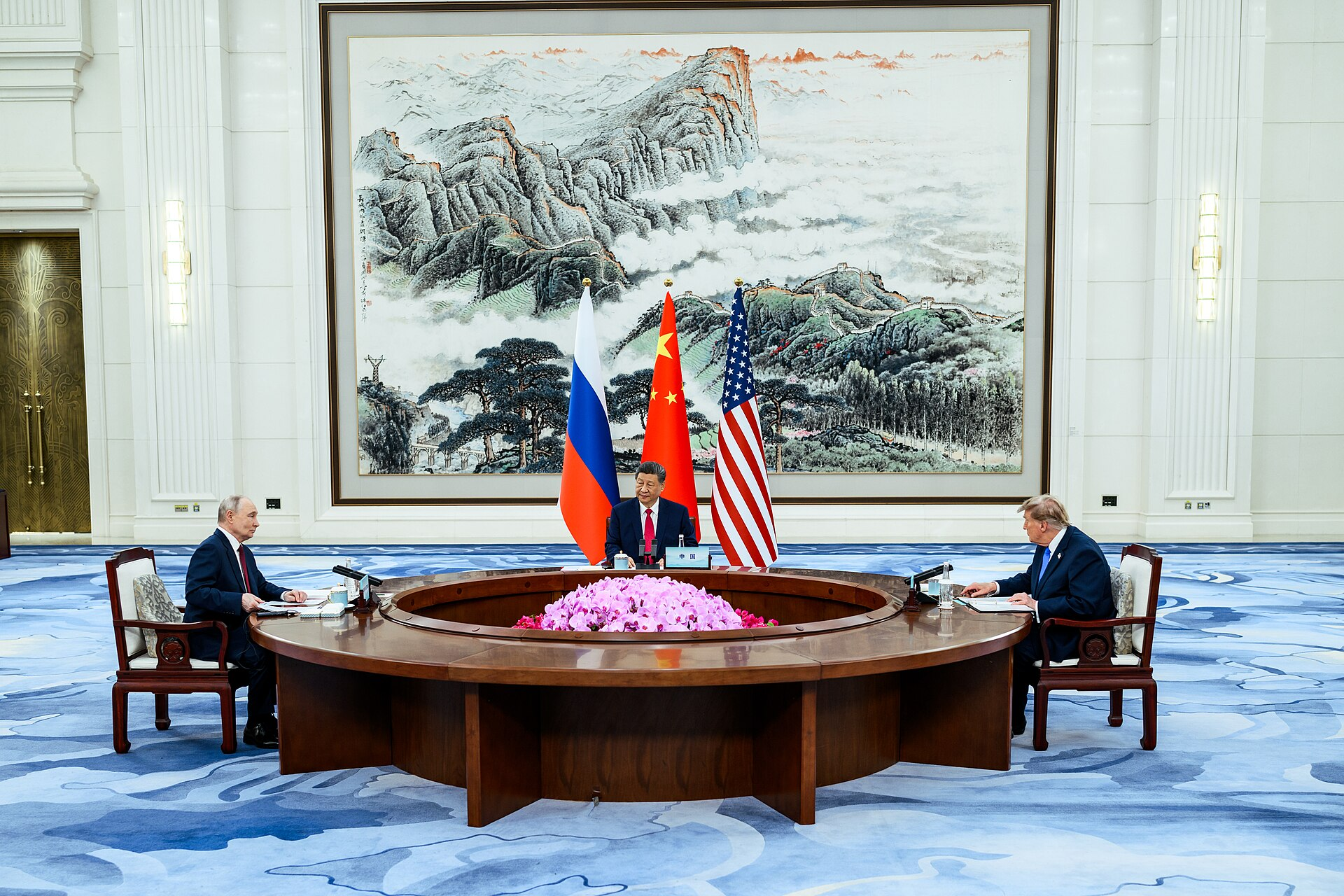
President Donald Trump threatened a “tremendous tax” on U.S. companies that build AI data centers abroad. The announcement came at a White House press conference on Friday, following his return from a trilateral summit with Chinese President Xi Jinping and Russian President Vladimir Putin.
The president said U.S. firms would be banned from building data centers overseas and would face a tremendous tax if they attempted it. “We’re not going to allow our companies to build data centers outside of our country,” Trump told reporters, arguing that China would “take all of them” if the facilities were built on foreign soil. “We’re going to keep it all in this country,” he said. He offered no specifics. He cast the restriction as a national security measure, designed to prevent Beijing from capturing the physical infrastructure of the AI race — a contest he referred to using his preferred term “super intelligence,” or SI. Trump conceded that he had not informed his own officials before unveiling the plan publicly, telling reporters that members of his cabinet were hearing the proposal for the first time along with everyone else. “I don’t know if that’s a breaking story, but I haven’t even said that to my people. But I’m telling them now, they’re here,” he said.
Trump specifically called out Google’s data center build in Finland, declaring that his administration was “not allowing that to happen.” In September, Google announced a €13bn ($15bn: £11bn) investment in AI infrastructure in Finland, a package that included funding for three data centres. Last month, building work for two of those centres was halted after concerns emerged over the clearance of more than 300 hectares of forest. Meta and Google have both entered agreements to build data centres overseas. Canada has positioned itself as an alternative location with less local pushback, and Meta has broken ground on a facility in Alberta while Anthropic has signed a long-term lease for a proposed centre in Nova Scotia. It remains unclear how the president’s threat would apply to such projects already underway or under negotiation. The companies were contacted for comment.
Chip restrictions as backdrop
The announcement followed a separate administration move on Monday, when new rules were issued restricting remote access to advanced U.S. computing chips and servers, a step aimed at limiting China’s ability to use American chips to train its AI models. Trump said U.S. companies would require a licence to buy advanced chips so officials can monitor whether they serve Chinese companies or are smuggled into China. The move will impact countries in South East Asia that have invested heavily in data centres, as Chinese companies seek to rent computing power from overseas. On Wednesday, a House committee said the U.S. had signed off on sales of nearly 900,000 AI chips to China over six months.
Domestic push and local resistance
Trump urged communities to welcome data centers and to extract concessions from developers. “Make them pay you, make them pay your community, but take advantage. Don’t shut them off,” he said. As of April, there were about 3,000 data centres across the U.S., with another 1,500 in various stages of approval and construction, according to the Pew Research Centre. But local opposition is mounting. CNBC’s All-America Economic Survey found that 64% of registered voters opposed an AI data center within 10 miles of their home, while just 13% supported one. States and cities across the country are placing restrictions and moratoriums on new data center applications, even as the president pushes for more domestic construction. The US tech industry has responded by promising to take fewer government handouts, be more transparent, and give more money to towns willing to host server warehouses.
The press conference came a day after Trump met Xi and Putin at a trilateral summit in China on Thursday. The summit appeared to produce few concrete deliverables on an array of pressing global issues. Xi “congratulated me on how well we’re doing” in artificial intelligence, Trump said. Trump said he has “fantastic relationships” with both Putin and Xi, adding that the country is safe because of those ties. He was flanked at the White House podium by Vice President JD Vance and Secretary of State Marco Rubio.
A new Democratic majority Congress is being sworn in within a couple of months, which could make Trump’s promise difficult to fulfill.
Sources & methods
- BBC News, reporting on Trump's White House press conference and data center policy announcement Archived Nov 21, 2026
- The Guardian, covering the press conference including Trump's remarks on Putin, Xi, and the Iran war Archived Nov 21, 2026
- CNBC, reporting on the data center threat and findings from the All-America Economic Survey Archived Nov 21, 2026
- The Verge, covering the policy announcement and domestic data center restrictions Archived Nov 21, 2026
Reporting based on four published accounts of President Trump’s White House press conference on Friday, November 20, 2026, cross-referenced for corroborated facts and attributed to individual sources where only one outlet reported a detail.