Trump waives Russia sanctions for diesel deal, drawing fire from Congress and Kyiv
The executive order suspends sanctions two days before they take effect, pairing a Russian diesel import agreement with what experts call a negligible economic payoff but a dangerous political signal to Moscow.
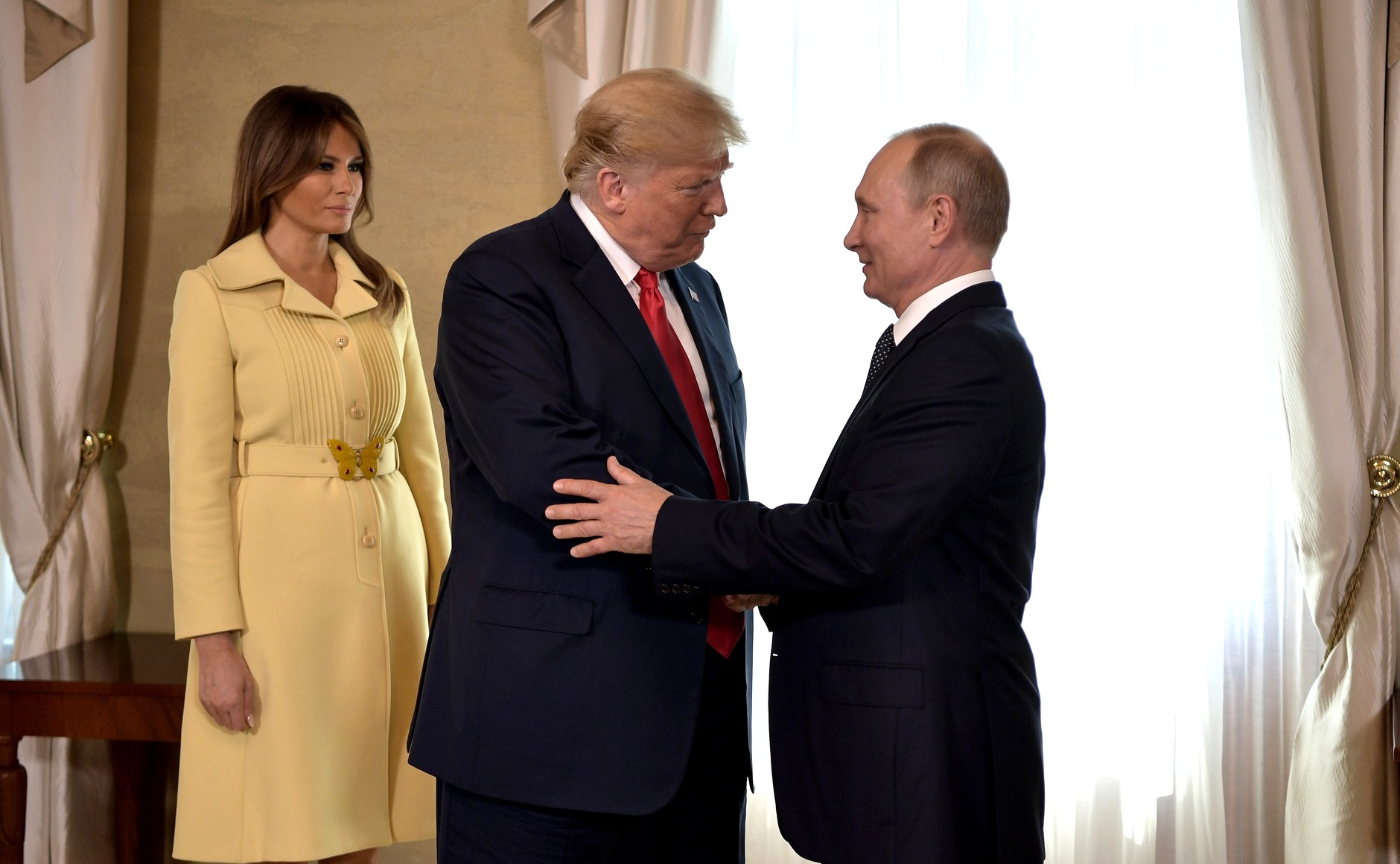
President Trump issued an executive order Friday night suspending some Russia sanctions, saying the move was in the US national interest.
The order came alongside a deal to import Russian diesel aimed at bringing down US energy prices, which have risen during the Iran war. The agreement drew swift backlash from US lawmakers and condemnation from Ukrainian President Volodymyr Zelensky. Relations between Washington and Kyiv have frayed since the diesel deal was struck last week. Experts said the deal would have only a marginal effect on global energy prices, with the political signal to Moscow carrying far greater weight than any economic benefit to the Kremlin.
The waiver and what it suspends
Secretary of State Marco Rubio said the suspension would consist of a 60-day pause to allow the Trump administration to analyze the sanctions’ potential impact on the US and global economy. Congress passed the sanctions package in September. Trump signed it into law. The law gave Trump broad powers to levy tariffs of up to 100% on imports from the top five purchasers of Russian oil and gas, most significantly China and India. The package also included sanctions against senior Russian figures including Putin, Russian financial institutions, and Moscow’s “shadow fleet” of vessels used to circumvent existing embargoes. Russian envoy Kirill Dmitriev called Trump’s order “an important and truly historic moment.” He said the sanctions would have inflicted “serious damage” on the US and global market.
Marginal economics, major signal
The diesel deal calls for Russia to supply 4.8 million metric tons of diesel, equivalent to about 10 days of US domestic demand or about a single day of global demand. The initial phased agreement covering 1.8 million metric tons could generate up to $1.25 billion in additional export revenue over three months, around 1% of Russia’s commodity export revenues during that period. The benefit to Russia’s federal budget would be less than $30 million per month, under 0.07% of monthly federal revenues. “It does not even touch the sides — it is very, very small,” said Neil Atkinson, former head of the IEA’s oil industry and markets division. Sergey Aleksashenko of the NEST Centre said Russia’s main gain is political, as Trump’s decision eases sanctions pressure and undermines Western unity. With US midterm elections approaching in November, Trump is under pressure to reduce fuel costs. Maria Snegovaya of the Center for Strategic and International Studies said the deal likely reinforces Moscow’s belief that sustained pressure will eventually produce further Western concessions, rather than encouraging any compromise.
Backlash from Congress and Kyiv
Republican Senator Thom Tillis of North Carolina called the waiver “beyond irresponsible” and said Trump was “doing a solid” for Putin. Texas Senator John Cornyn called it “reckless.” Zelensky condemned the waiver as helping only Russia and fueling their war effort, saying the sanctions “could have helped enormously” and were “supposed to impose truly effective pressure on Russia to bring this war to an end.” Addressing an EU summit in Brussels, he warned that sanctions could be lifted on gas, then banking, individuals, and the chemical industry. Zelensky said he believed the Trump administration would lift more sanctions against Russia.
Starlink curbs and intelligence gaps
Starlink and Starshield restrictions imposed on Ukraine have disrupted battlefield operations and drone capabilities, with speed limits lowered on the satellite network used by Ukrainian forces. A Reuters report citing three officials familiar with the matter said the order to limit Starshield came from inside the White House. Elon Musk said in a post on X that the US government and president were ultimately responsible for any curbs on the network. Trump denied deliberately slowing down the Starlink network. Zelensky said Ukraine tested Starlink on EU territory and found the problems do not exist and the system was operating at higher speeds. Ukraine also did not receive advanced warning from partners of incoming ballistic missiles this week, resulting in civilian deaths. Zelensky accused the US of withdrawing intelligence-sharing. Trump denied it. Serhiy Derkach, Ukraine’s first deputy minister for recovery, infrastructure and transport, said that with the US limiting Starlinks on the battlefield, Russia feels this is their moment to inflict even more pain on civilian infrastructure. Almost five years into the war, Ukraine and European partners remain heavily dependent on the US in intelligence and missile defense.
Russia keeps striking
At least nine people were killed and around 60 injured in Russian strikes across Ukraine since Friday, including an ambulance driver killed and 20 injured in a strike on Kherson. Zelensky said Russia attacked 15 Ukrainian energy facilities overnight, causing power cuts in several regions, and said Russia is trying to cause a blackout before winter. Trump claimed both Russia and Ukraine had agreed to an “energy ceasefire” to facilitate the export of Russian diesel. Zelensky expressed surprise at the announcement. He said Kyiv would stop strikes if Russia did the same. After three days of fresh Russian attacks, Kyiv resumed strikes on Russian oil refineries. Trump condemned the Ukrainian strikes as a disgrace. He said Zelensky was “more difficult to deal with” than Putin.
Sources & methods
- BBC News reporting on Trump's sanctions waiver, the diesel deal, congressional backlash, Starlink restrictions, and Russian strikes on Ukraine. Archived Oct 18, 2026
- CNBC reporting on the diesel deal's economic dimensions, expert analysis from Atkinson, Aleksashenko, and Snegovaya, the Starshield restriction order, and Ukraine's intelligence and missile defense dependencies. Archived Oct 18, 2026
This article synthesizes reporting from two published sources covering the sanctions waiver, the Russian diesel import agreement, congressional and Ukrainian reactions, Starlink and intelligence disputes, and ongoing Russian military strikes. Direct quotes are drawn verbatim from the source texts. Disputed claims are attributed to their respective speakers.