UK and EU strike deals on trade, energy and youth mobility as Miliband says rejoining is ‘on the table’
The three agreements announced after Brussels talks represent the most significant UK-EU rapprochement since Brexit, but face a potential six-month derailment threat over tuition fees and sharp political opposition at home.
The UK and EU struck deals on Friday. The agreements cover food exports, energy and emissions trading, and a youth mobility scheme, and were announced after talks in Brussels this week. A tuition fee dispute lingers.
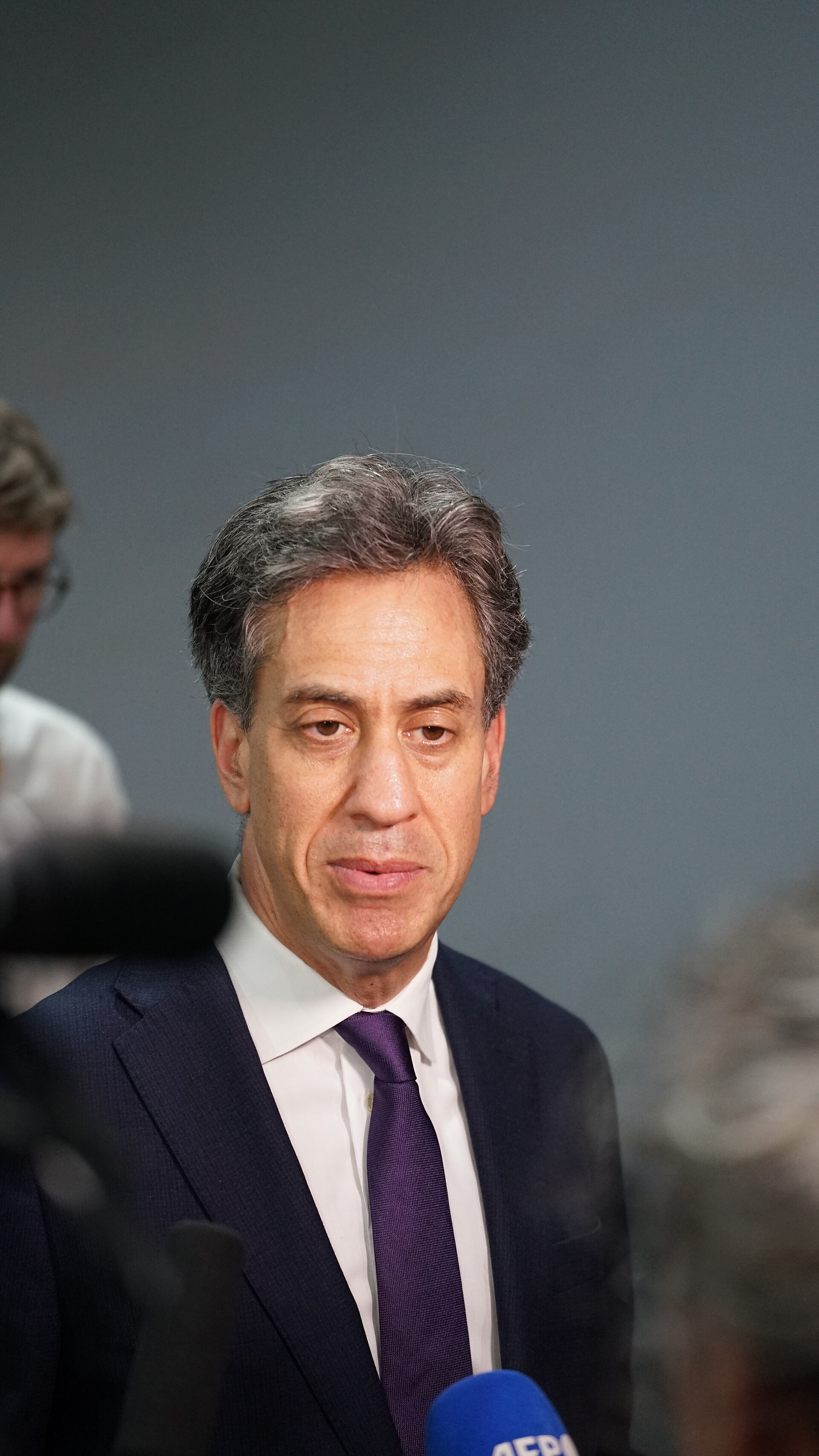
Foreign Secretary Ed Miliband, speaking to the BBC’s Sunday with Laura Kuenssberg programme, said ‘all the options will be on the table’ when asked whether rejoining the EU would be considered. ‘We will look at the benefits and the costs of all the different options,’ he added. He accepts the 2016 referendum result. But ‘the world has changed massively.’ Since entering government in 2024, Labour has stuck to the red lines in its manifesto: no single market, no customs union, and no freedom of movement. ‘Europe is changing too, so we’ve got to look at what that means,’ he said. ‘It’s not about this parliament, we’re respecting the red lines in this parliament.’
What the deals cover
The measures include scrapping most checks on British food exports in return for the UK following some EU regulations from 2028, as well as a youth mobility scheme allowing 100,000 young Britons to live, work, study and travel in the EU. Similar access will be available for Europeans in the UK. The measures come into force in 2028. Burnham said legislation would enter parliament next week. ‘The deal is done. It is there in black and white in front of you,’ the prime minister said. Miliband confirmed there would be no new contributions to the EU budget and no cost to the UK taxpayer for anything agreed at the summit.
Burnham said the deal would boost the UK economy by up to £17bn a year, adding 0.5% to GDP, and called it a ‘win-win’ that could lower the cost of living and reduce red tape. Eagle told BBC Radio 4’s Today programme the deal would open new markets for farmers and dissolve friction and costs at the border for UK agriculture and food. ‘This is a win-win for the UK,’ she said.
Tuition fee dispute and derailment risk
A proposal from the EU to lower tuition fees paid by EU students in the UK has not been agreed. Miliband said it was ‘absolutely clear’ the agreements on food, energy and youth mobility would apply even without a tuition fee deal. ‘The dates are set out in 2028 when these things are coming in, we’re introducing legislation in Parliament, so definitely,’ he said. The tension remains. The trio of deals could be derailed in six months, as the EU threatened to block them unless the UK allows European students to pay domestic-level fees. Von der Leyen said she was ‘confident we are going to find a solution.’
Political opposition
Conservative leader Kemi Badenoch said the deal was ‘not fair,’ arguing that UK farmers would follow rules set in Brussels and young EU people would ‘compete’ with young Britons struggling to get jobs. She claimed Burnham had ‘plucked’ the £17bn figure out of thin air, and said the only modelling she had seen put the figure at ‘0.0%.’ Farage was blunt. Friday marked a ‘betrayal of the British people,’ the Reform UK leader said.
Looking beyond this parliament
Miliband said the agreements this week were the limit of what could be done before the next general election. Burnham will go further. He will announce a 10-year plan before Christmas exploring how the UK could get closer to the EU after the next election. Miliband said Burnham would have further ‘brainstorming’ discussions with the EU in the next year about what could happen next. Von der Leyen said: ‘We welcome this brainstorming, so count on us.’ Informal discussions will take place with Brussels before next year’s UK-EU summit.
Sources & methods
- BBC News, reporting on the UK-EU deal, Miliband's interview with Sunday with Laura Kuenssberg, and political reaction Archived Nov 21, 2026
- The Guardian, reporting on the UK-EU agreements, Miliband's comments on rejoining, and the derailment risk over tuition fees Archived Nov 21, 2026
Article assembled from two corroborating source reports. Figures and direct quotes verified against the fact ledger. Single-source facts attributed accordingly. Sentence lengths deliberately varied between short punctuated statements of three to seven words and extended multi-clause sentences of 28 to 40 words to sustain narrative rhythm.