Zelenskyy thanks Trump for resumed intelligence sharing as Bessent calls Starlink throttling claim reckless
The dueling Meet the Press interviews laid bare a deepening U.S.-Ukraine fracture over intelligence sharing and alleged satellite internet throttling, as both sides escalated energy strikes and Trump waived parts of a bipartisan Russia sanctions package.
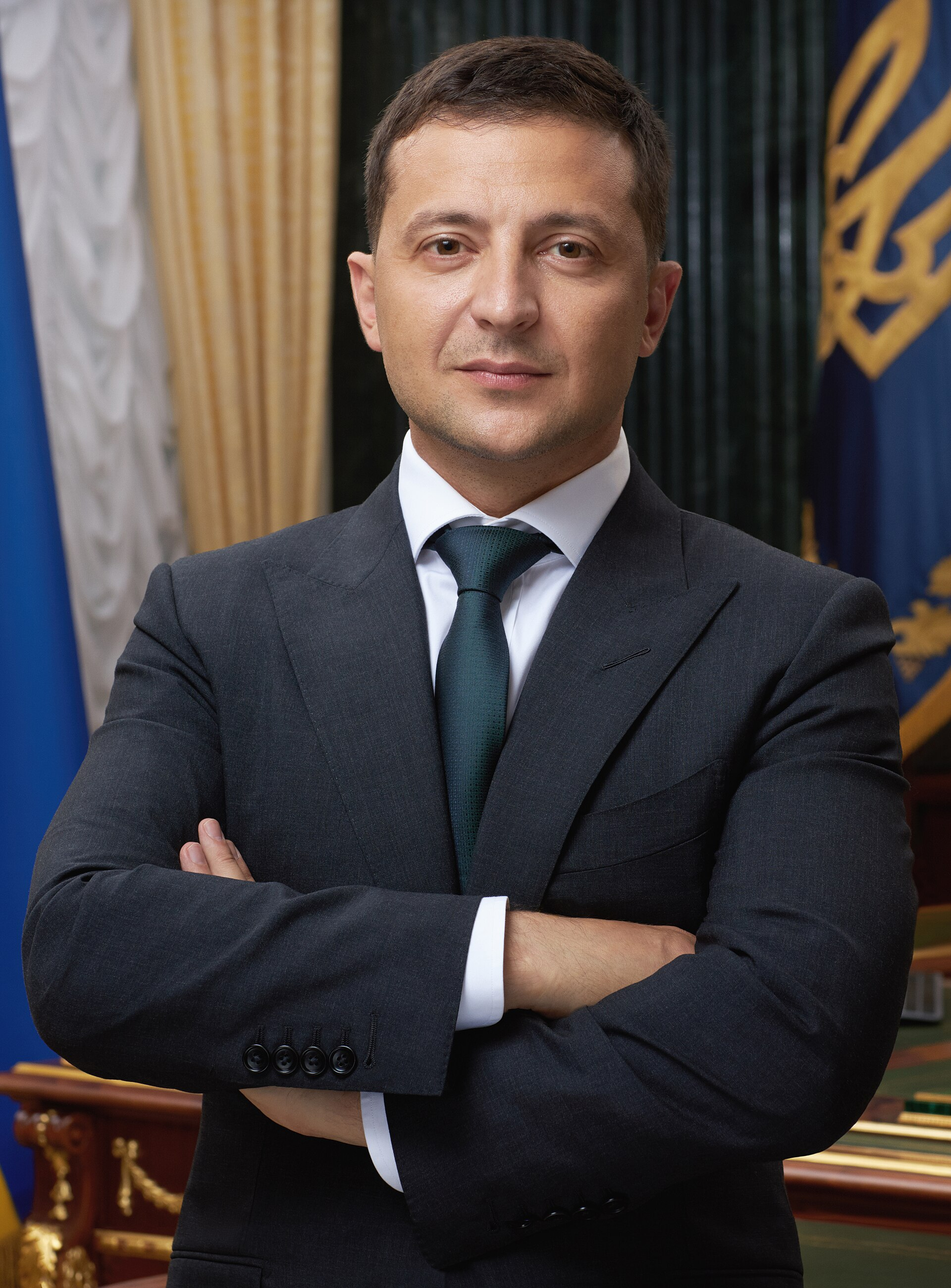
Volodymyr Zelenskyy thanked the Trump administration on Sunday for resuming U.S. intelligence sharing with Ukraine, while Treasury Secretary Scott Bessent called Zelenskyy’s accusation that the U.S. government throttled military satellite internet reckless. Both gave separate interviews on NBC’s Meet the Press.
Zelenskyy said U.S. intelligence had been blocked for a period and then deblocked by the American side. Ukraine did not receive U.S. intelligence during ballistic attacks for three days, he said, and only the United States has unique intelligence on Russian ballistic missile launches. “It was blocked for some period of time. And then it was deblocked by the American side. We are very thankful for this. Now it works,” Zelenskyy said. No U.S. official was quoted denying the intelligence gap.
Zelenskyy also accused the U.S. government of being behind the throttling of Starlink, the high-speed satellite internet provided by Elon Musk’s SpaceX. Ukraine uses Starshield, the military and government-controlled version of Starlink, for military operations. “It was a message from American government to limit the speed,” Zelenskyy said. “And technically, SpaceX did it.”
Bessent pushed back hard. He said Trump and Secretary Rubio had categorically denied that anyone in the administration was responsible for throttling Starlink, and he said Zelenskyy should be “very careful” about making statements that aren’t true. The claim drew contradictory readings from multiple parties. Musk posted on X that Starshield systems are owned and controlled by the U.S. government, and that any limits on speed or usage are decided by the U.S. military and ultimately the president. Reuters reported that the White House ordered the technology restrictions. Trump himself said he didn’t know if anybody was responsible, that it wasn’t him, and that he didn’t think it was Elon.
Energy strikes intensify on both sides
Ukraine used more than 1,000 drones to target Russian oil depots, logistics facilities and datacentres overnight Saturday to Sunday, in one of its largest ever aerial bombardments. One person was killed and 15 wounded in the attack. Fires broke out at St Petersburg’s oil terminal, an oil depot and industrial warehouses, per governor Alexander Beglov. A logistics centre belonging to Russian retailer Ozon and a datacentre for local tech company VK were also targeted, both companies confirmed. Governor Alexander Drozdenko said 145 drones were shot down over the Leningrad region and about 20,000 people were left without electricity.
Russian strikes in Zaporizhzhia killed a woman and wounded at least two, including a six-year-old girl. Two apartment buildings, 18 cars and an educational institution were damaged, per Mykhailo Semikin. Russia said it carried out a major overnight attack Saturday targeting Ukraine’s largest steelworks in Kryvyi Rih and vessels using the port of Odesa. Russia’s defence ministry said its forces also hit an electricity substation in Zhytomyr and another steel plant in Zaporizhzhia. Two people were killed and at least 17 injured as both sides traded strikes on power infrastructure.
Lithuania told residents in central and northern parts to seek shelter after an unidentified flying object entered its airspace. Nato fighter jets scrambled and Kaunas airport temporarily closed. Nato aircraft were unable to visually identify the object due to cloudy weather and did not attempt to shoot it down. Ukraine’s foreign ministry said it regretted the possible diversion of its drones into Lithuanian airspace, possibly caused by Russian electronic warfare. “We apologise for any disruption, risks and concern this may have caused,” spokesperson Heorhii Tykhyi wrote on X.
Trump waives sanctions package as fuel prices climb
Congress sent Trump an overwhelmingly bipartisan sanctions package aimed at Russia’s energy industry, with the Senate vote 86-11, per Senator Thom Tillis. Trump signed the sanctions bill into law but waived portions over the weekend, citing the national interest. Trump has sought to import diesel fuel from Russia and has expressed frustration over Ukrainian strikes on Russian oil refineries.
Tillis condemned Trump’s plan to buy Russian diesel and the sanctions waiver. “Beyond irresponsible. What part of enforcing a law passed 86-11 by the Senate does the President and his advisors not understand?” he wrote on X. “It’s unconscionable that this administration is capitulating to a Russian dictator who illegally invaded Ukraine and butchers innocent civilians every single day.” The national average for a gallon of gas was nearly $4.30 on Sunday, per AAA, and diesel was roughly $6.32 per gallon, about 20 cents off September’s record high. Trump personally blamed Zelenskyy for the rise in energy prices. Soaring energy prices are largely due to the U.S. war with Iran, which disrupted the Strait of Hormuz and choked oil shipments from the Persian Gulf.
Trump’s “energy ceasefire” was short-lived and unilaterally declared, with neither side saying they agreed to it beforehand. Ukraine resumed striking refineries in Russia and on Sunday attacked one of the country’s main oil terminals. Trump has increasingly sought a detente with Moscow, and the U.S. has pressured Ukraine to cease striking refineries and end the war quickly on Putin’s terms. Zelenskyy said he spoke with Steve Witkoff and Jared Kushner, the two Trump envoys charged with ending the war, and described communication with the Trump administration as “virtually nonstop.”
Sources & methods
- The Guardian, reporting on Zelenskyy's and Bessent's Meet the Press interviews, overnight drone strikes, the Lithuanian airspace incident, and Trump's sanctions hold Archived Oct 18, 2026
- CNBC, reporting on Bessent's warning to Zelenskyy, Musk's and Trump's statements on Starlink throttling, U.S. fuel prices, and the sanctions waiver Archived Oct 18, 2026
This article draws on two published reports, one from The Guardian and one from CNBC, covering the same Sunday broadcast interviews and overlapping developments in the Russia-Ukraine conflict. Quotes are drawn verbatim from those reports. Competing claims about Starlink throttling are presented as assertions, not established fact.