Three scientists who built a neural switch from pond algae win the 2026 Nobel Prize in medicine
Karl Deisseroth, Peter Hegemann, and Georg Nagel share the award for optogenetics, a technique that uses light to turn individual brain circuits on and off.
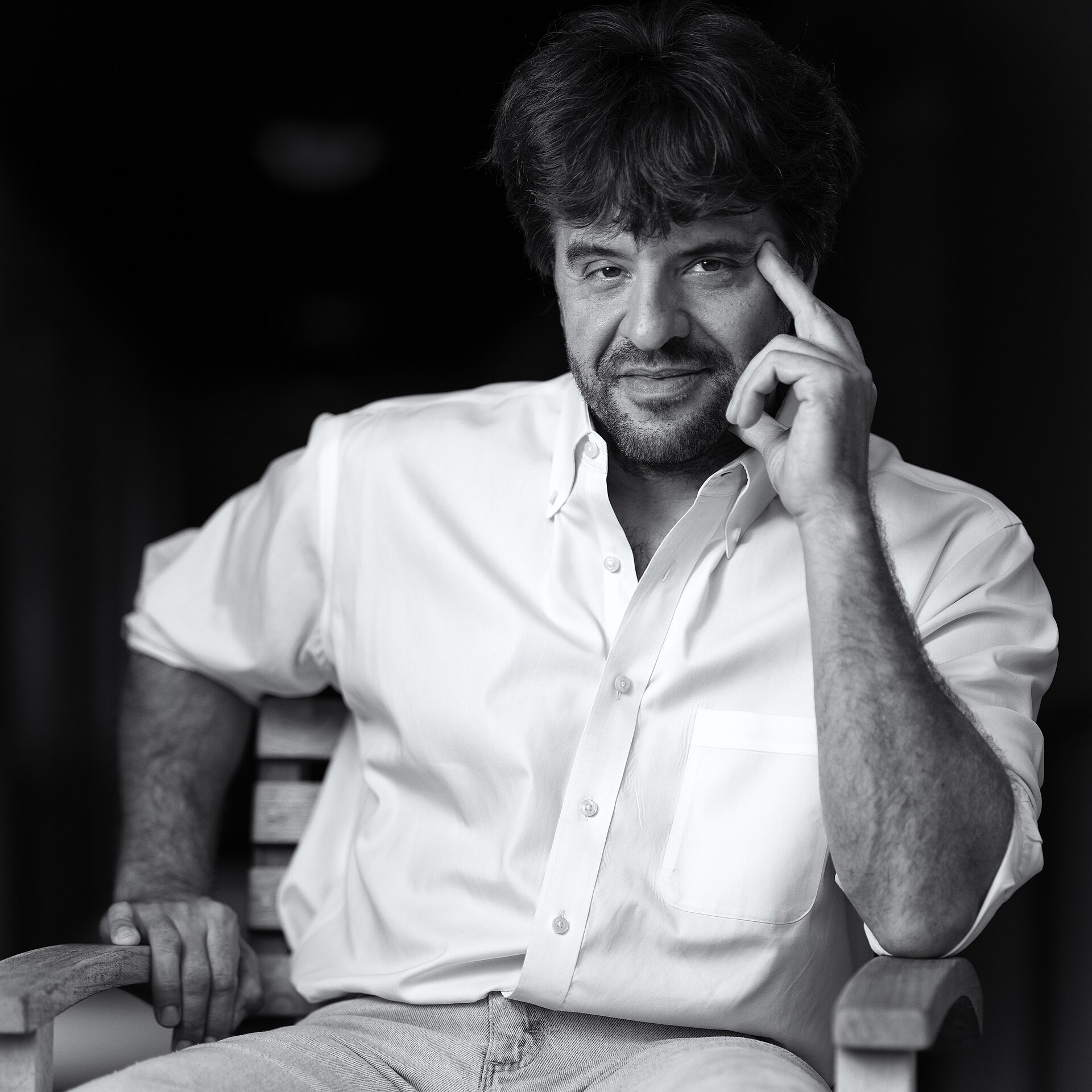
The 2026 Nobel Prize in Physiology or Medicine has been awarded to Karl Deisseroth, Peter Hegemann, and Georg Nagel for their work on light-gated ion channels and optogenetics, the Karolinska Institute in Stockholm announced Monday.
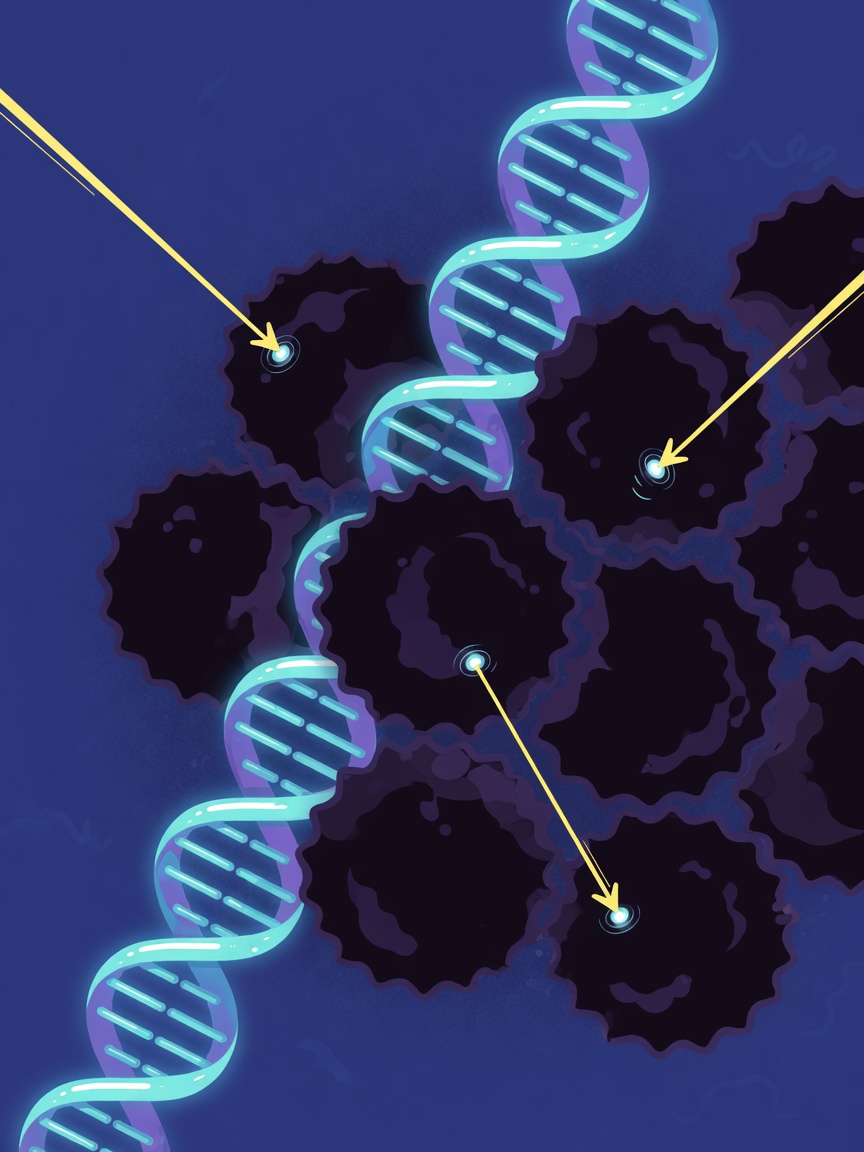
The research revealed how to switch on and off the activity of individual nerve cells in the brain, giving scientists a tool to test causal links between specific circuits and behaviour, memory, and disease. The three winners will share the prize money of 12 million Swedish kronor, approximately £900,000 or $1.2 million, equally.
From a swimming alga to a neural switch
Hegemann’s research originated from exploring how the green alga Chlamydomonas swam towards light. Its eye spot contains a light-sensitive protein that converts light almost instantly into an electrical signal, allowing the organism to move. In the early 2000s, Hegemann and Nagel discovered channelrhodopsin, an algal protein with remarkable properties. Working with frog egg cells, Nagel and Hegemann showed that channelrhodopsins exposed to blue light allowed ions to flow into the cell, producing an electrical impulse. Further work showed that inserting the genetic instructions for one of the proteins into human or mouse kidney cells made those cells light sensitive. Hegemann, 71, is based at Humboldt University in Berlin. Nagel, 73, is based at the University of Würzburg.
Deisseroth, a 54-year-old US psychiatrist and neurologist based at Stanford University and the Howard Hughes Medical Institute, carried the discovery into the living brain. He used rats to demonstrate that introducing the gene for a channelrhodopsin into nerve cells could produce electrical signals using light. Deisseroth and colleagues then applied the approach to nerve cells in the motor cortex of mice brains, using light delivered by tiny optic fibres through the skull to trigger movement in the rodent’s whiskers. Subsequent work in mice showed the approach could investigate which nerve cell networks were involved in forming particular memories, including fear.
Restoring sight in blind patients
The research has been used in clinical trials to restore vision in people blinded by retinitis pigmentosa, a condition that damages light-sensitive cells in the retina. In one trial, optogenetic therapy partially restored the sight of a man who went blind from the disease. Genetic instructions for making a channelrhodopsin were delivered by a harmless virus into retinal ganglion cells in the man’s eyes. The patient was then fitted with light-stimulating goggles that captured images and converted them into single-wavelength images projected onto the retina using pulses of light. Botond Roska, director of the Institute of Molecular and Clinical Ophthalmology Basel, co-led the optogenetic vision restoration study.
Thomas Perlmann, secretary of the medicine committee, reached all three winners by phone on Monday. Per Svenningsson chairs the Nobel Committee for Physiology or Medicine. The 2026 award is the 117th time the prize has been given; of 235 laureates including the latest winners, only 14 have been women and none have been awarded to black scientists. The physics prize follows on Tuesday, chemistry on Wednesday, literature on Thursday, the peace prize on Friday, and economics on Oct. 12.
Anna Wedell, a professor at Karolinska Institute and a member of the Nobel committee for physiology or medicine, said the laureates’ work had given researchers a tool to build a functional map of the brain. “We’ve had anatomical maps and correlations, but now we have a tool that can provide cause-and-effect relationships so we can get a functional map of the brain, exactly pinpoint which cells do what, which cells are responsible for creating behaviours or even emotions and memories in the brain,” she said. Abdel El Manira, a professor of neuroscience at the Karolinska Institute and member of the Nobel assembly, described the discovery’s origins during the announcement.
Sources & methods
- BBC News report on the 2026 Nobel Prize in Physiology or Medicine Archived Oct 5, 2026
- NPR report on the 2026 Nobel medicine prize Archived Oct 5, 2026
- The Guardian report on the 2026 Nobel Prize in medicine Archived Oct 5, 2026
Reporting based on three published news accounts of the Nobel Assembly’s announcement on Monday, Oct. 5, 2026, at the Karolinska Institute in Stockholm, cross-referenced for factual consistency. Discrepancies between sources on the animal model used in Deisseroth’s initial demonstration are resolved by attributing the rat experiment and the mouse whisker experiment separately, per the most detailed source.