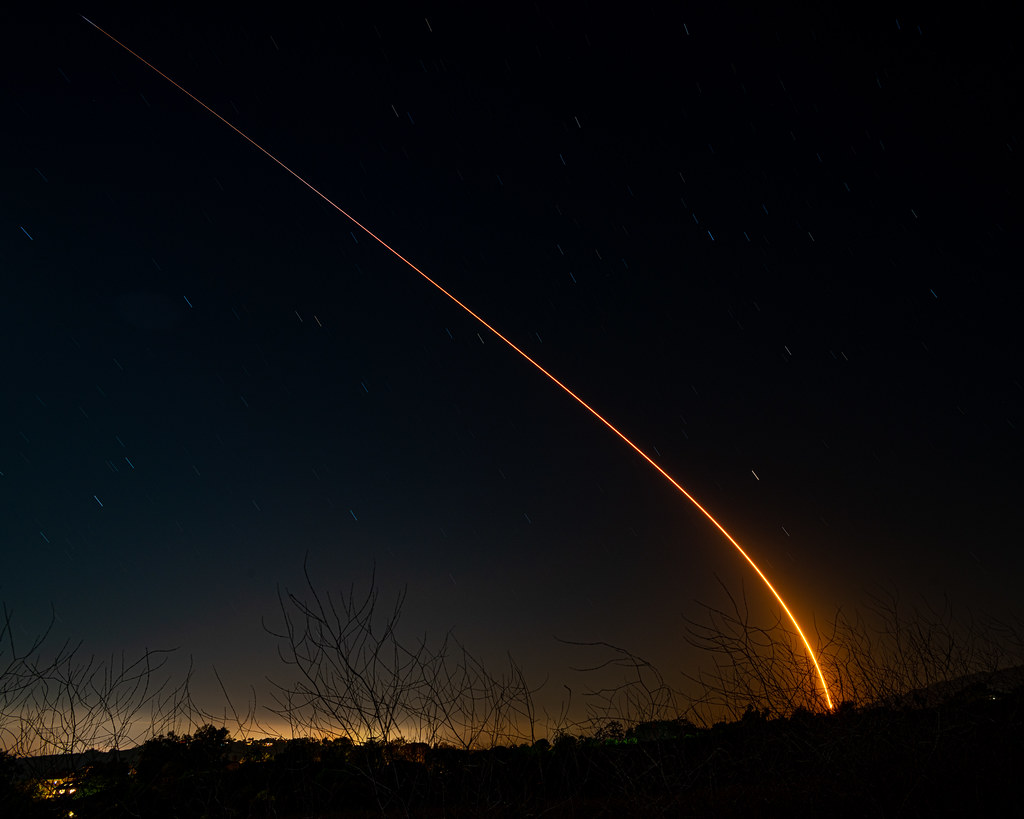
FCC authorizes SpaceX to deploy up to 1 million orbital data-center satellites under Starmind project
The approval, announced Wednesday and championed by Chairman Brendan Carr, grants SpaceX a constellation vastly larger than all satellites currently in space, over protests from Amazon, astronomers, and rival companies building their own orbital compute networks.
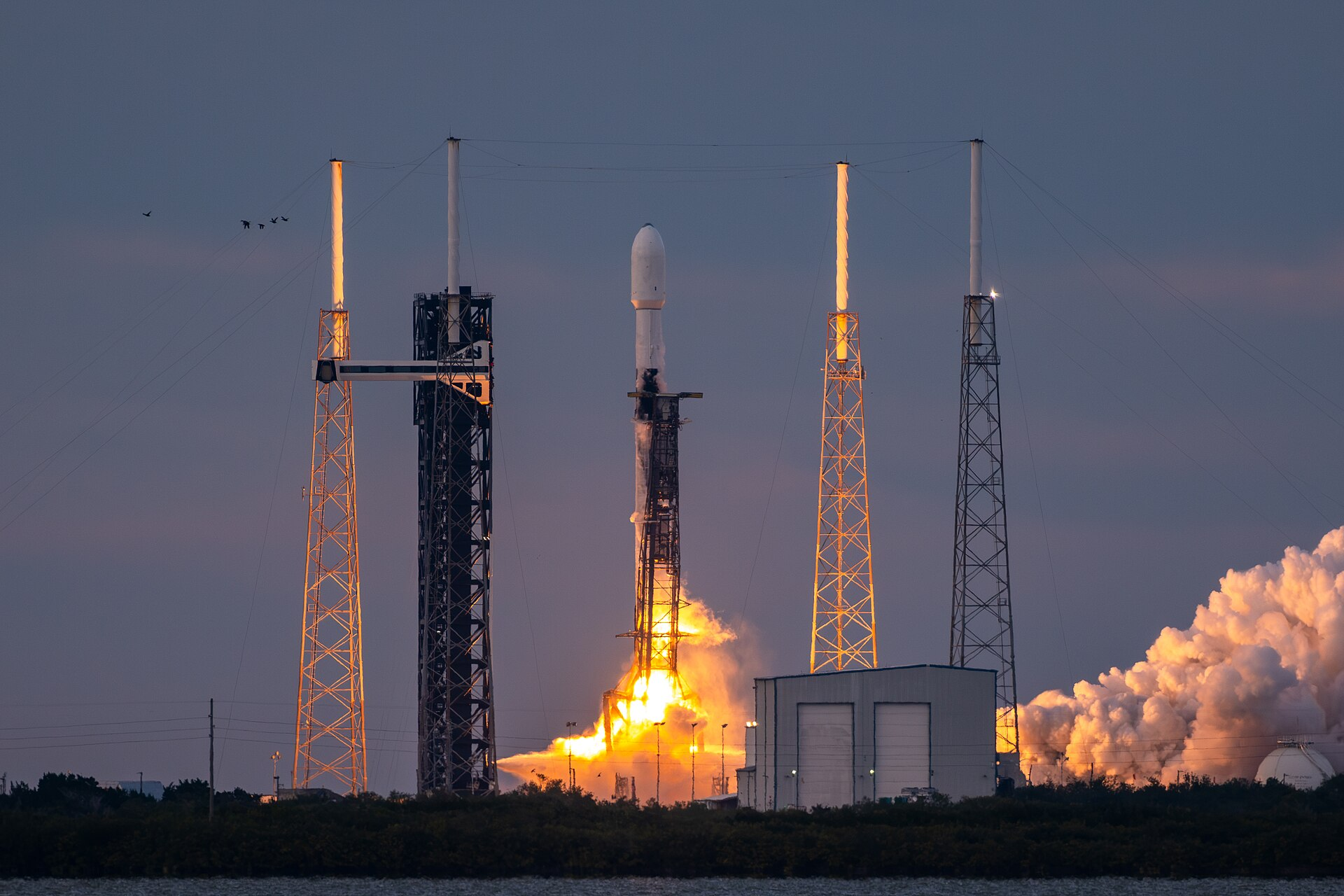
The FCC authorized SpaceX to deploy up to 1 million orbital data-center satellites under the project name Starmind, an approval announced Wednesday that Chairman Brendan Carr championed as a first in the history of the United States.
Starmind is aimed at powering AI computing capabilities, with satellites intended to use solar power to process massive amounts of data in orbit. SpaceX says Starmind will transmit data to Earth using high-speed lasers that connect to Starlink, the company’s existing broadband network. SpaceX filed for permission earlier this year, seeking flexibility for a project it describes as a way to capture solar energy in space to power AI capabilities on Earth.
Only about 17,000 satellites currently exist in space. SpaceX sought approval for 42,000 Starlink satellites but the network currently has just more than 11,000 in space. Satellite operators sometimes request approval for higher numbers than they intend to deploy to buy design flexibility, and it remains unclear how many of the authorized modules SpaceX will ultimately launch. Amazon’s satellite unit opposed the plan, arguing SpaceX was unlikely to deploy all the satellites and that it would take centuries to do so. Amazon labeled Starmind a ‘lofty ambition rather than a real plan’ in a March petition, and said SpaceX provided scant details about how it would deliver on its grand claims.
Carr rebuked Amazon’s criticism, saying Amazon should focus on its own satellite deployment shortfalls. ‘Amazon should focus on getting Amazon’s house in order with their own launches and their own satellite constellation, rather than worrying about other people that are actually out there launching satellites at the pace and cadence that SpaceX is,’ Carr said. Amazon declined to comment on the FCC’s approval. Petitions to deny were filed by Kuiper Systems LLC, Amazon’s satellite unit, Viasat Inc., and the American Astronomical Society.
A crowded field of orbital compute ambitions
Google has a competing orbital data center initiative called Project Suncatcher, which it announced last year, describing it as a ‘moonshot to put AI in space.’ Google launched its first chips into space on a SpaceX rocket and Planet Labs satellite in October. Blue Origin petitioned the FCC in March to launch up to 51,600 satellites as part of Project Sunrise, a separate constellation that would work with Blue Origin’s planned TeraWave satellite internet service announced in January. Blue Origin will carry out the first dedicated heavy-lift launch for Project Suncatcher in 2029.
Deployment deadlines and deferred questions
FCC approval requires SpaceX to deploy at least one satellite by 2033. SpaceX must meet the 1 million satellite milestone by 2040. The FCC deferred SpaceX’s request to dispose of satellites above 600km in graveyard orbits rather than burning up in Earth’s atmosphere, citing insufficient information about the company’s disposal plans. SpaceX plans to produce chips for its satellites at an upcoming Terafab facility.
The FCC said in its authorization that it dismissed comments and concerns over topics where it has no authority, including environmental concerns and impact on optical astronomy. Astrophysicist Adam Becker warned of night sky pollution and risk of cascading space junk collisions, calling the plan a potential disaster for humanity. SpaceX did not respond to a request for comment. Elon Musk praised the decision on X, saying ‘Much appreciated. This will be a great asset to America and the world.’
Sources & methods
- Al Jazeera, November 25, 2026 Archived Nov 25, 2026
- CNBC, November 25, 2026 Archived Nov 25, 2026
- The Verge, November 25, 2026 Archived Nov 25, 2026
Reporting based on FCC authorization filings, press releases, and statements from SpaceX, Amazon, FCC Chairman Brendan Carr, Elon Musk, and astrophysicist Adam Becker as documented in three corroborating news sources dated November 25, 2026.