Federal jury convicts Huawei of fraud and trade secret theft while acquitting company of racketeering
A Brooklyn court found Huawei and three subsidiaries guilty on counts including bank fraud, money laundering, and sanctions violations, but jurors rejected the racketeering charge that would have branded the company a criminal enterprise.
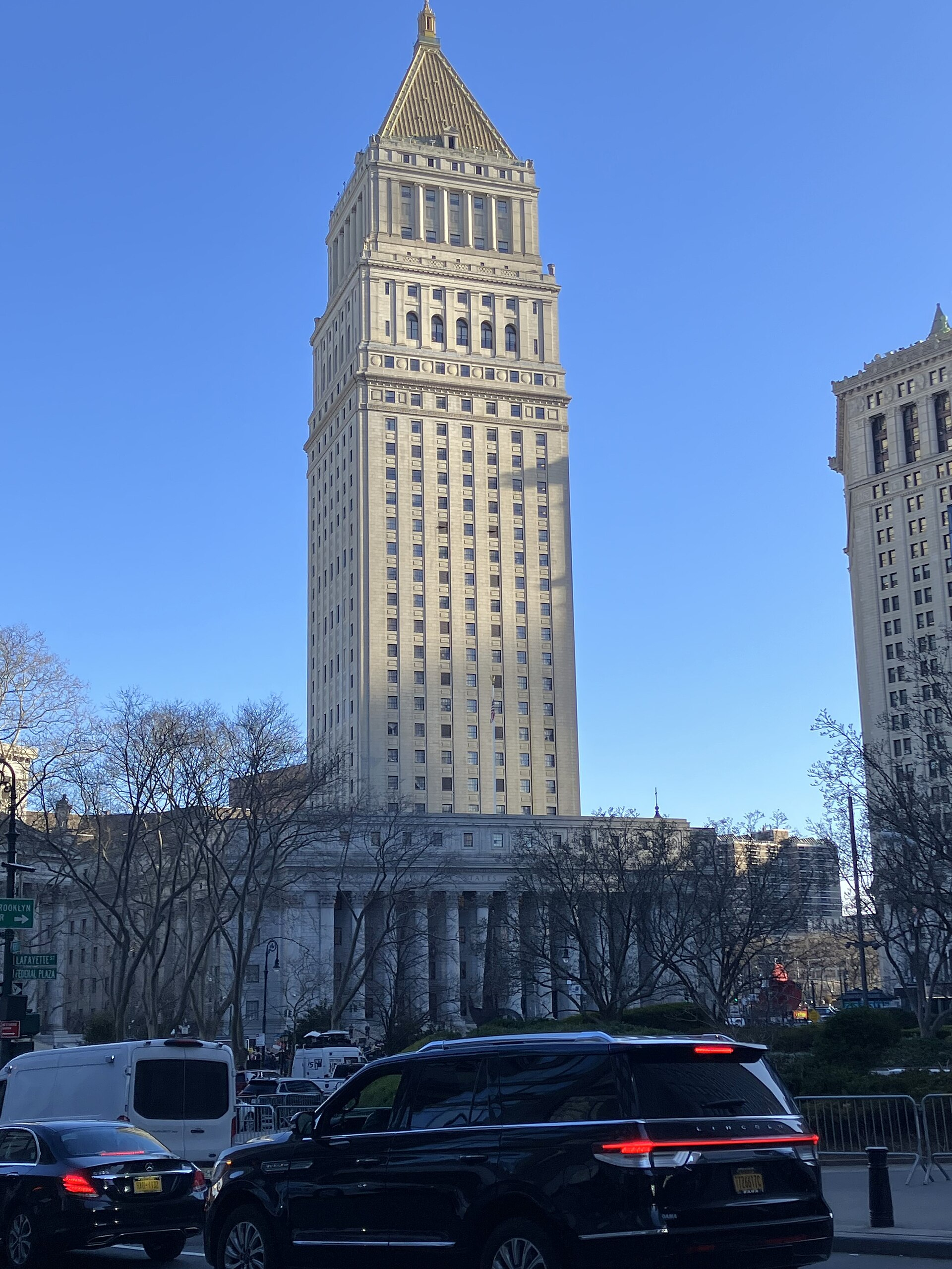
A US jury in a Brooklyn court convicted Huawei on 10 of 12 counts, including bank fraud and trade secret theft conspiracy, while acquitting the company of racketeering.
The convictions include bank fraud, conspiracy to commit money laundering, conspiracy to violate US sanctions, and conspiracy to steal trade secrets. Three Huawei subsidiaries were also convicted. Prosecutors accused the Chinese technology and telecommunications giant of lying to banks about its business dealings in Iran to secure billions of dollars and retain access to US dollar-clearing services. US Attorney General Todd Blanche said in a statement: “For decades, Huawei and three of its subsidiaries conducted their business in the United States on the basis of lies and theft.” He added: “Thanks to the work of the FBI and our federal prosecutors, those who engaged in these criminal activities will be held accountable.”
Jury rejects racketeering claim
The RICO charge required jurors to find that Huawei acted as a criminal enterprise. Defence attorney Brian Heberlig, who represented Huawei, said the company was gratified that the jury rejected the racketeering charge. Heberlig said the RICO count alleged that Huawei was a corrupt organisation with a corporate culture and policy of committing crime, which he called a significant overreach that the jury soundly rejected. Heberlig said he had “mixed emotions about the rest of the verdict” and “thought that Huawei was deserving of acquittals across the board.” He said he fully expects Huawei to appeal after sentencing. “If I know Huawei, that fight will continue, and the company’s not going to rest until it’s pursued every last argument it can through appeal, and hopefully, ultimately toward vindication,” he said. Heberlig said Huawei has operations in 170 countries with more than 200,000 staff.
Trade secret theft and Iran sanctions
Among the intellectual property theft examples detailed by prosecutors were cases involving Cisco and T-Mobile. Huawei copied source code used in Cisco routers, with engineers referring to Cisco by spelling its name backward in an attempt to conceal the theft. Huawei employees also sent photographs and technical details of T-Mobile’s touchscreen-testing robot to China. One employee later removed a component from T-Mobile’s laboratory in a backpack, according to the Justice Department. The Justice Department also said Huawei supplied surveillance cameras that enabled Iranian authorities to monitor protests.
Assistant US attorney Meredith Arfa told jurors during closing arguments that Huawei spent 20 years doing whatever it took to expand its business. US Attorney General Todd Blanche said in a statement: “No person or company is above the law.” Assistant Attorney General Tysen A. Duva of the Justice Department’s Criminal Division said: “For over two decades, Huawei built its global empire on a foundation of fraud, theft, and deception.”
Huawei vows to fight on
Huawei said the racketeering acquittal “confirms that these allegations lack factual basis,” adding that it would “take all necessary legal actions to defend our rights and interests.” “We believe the government’s remaining charges are equally without legal or factual merit,” the company said. Huawei said the five trade secret-related disputes cited by prosecutors had previously been resolved as civil matters. The company said it would remain focused on maintaining uninterrupted business operations and investing in research and development.
Years in the making
CFO Meng Wanzhou was arrested in Canada in late 2018. The charges were first publicly disclosed in January 2019, a month after Meng’s arrest. She was held for three years. Meng returned to China in September 2021 under a deferred prosecution agreement with US prosecutors. Defence attorney Brian Heberlig represented Huawei throughout the trial. The defence team argued that prosecutors had decided Huawei was a criminal organisation and built its case from there, but the firm’s success was due to its own innovation.
Sentencing is planned for September 2027. Huawei and its subsidiaries face potential fines, forfeiture, and restitution.
Sources & methods
Reporting based on court proceedings, Justice Department statements, and attorney comments covered by BBC News and CNBC.