US federal jury convicts Huawei of trade-secrets theft and bank fraud but acquits on racketeering
The mixed verdict convicts Huawei and three subsidiaries on trade-secrets theft and bank fraud but clears the company of operating as a criminal enterprise under RICO.
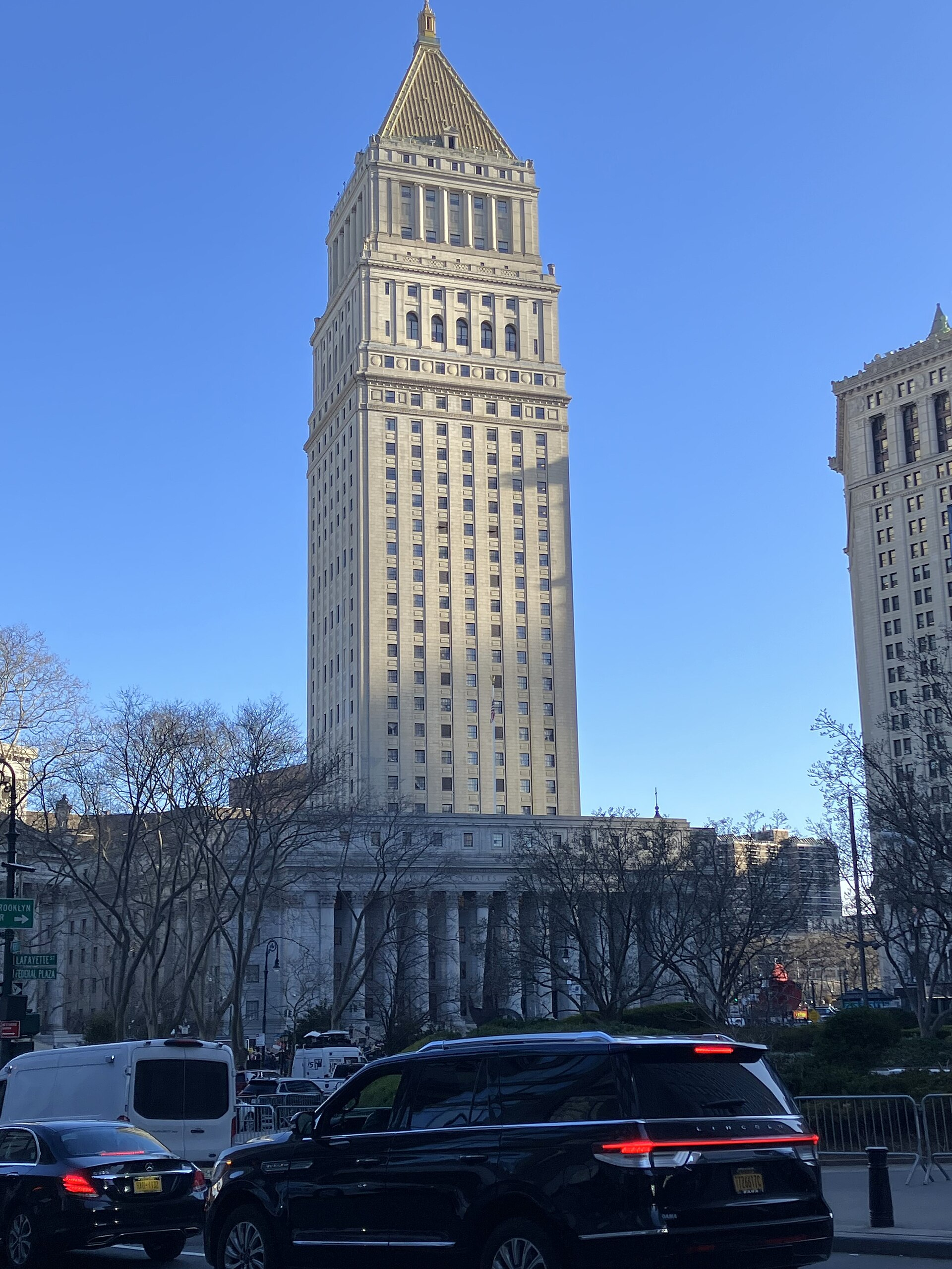
A US federal jury in New York has convicted Huawei of conspiracy to steal trade secrets and bank fraud while acquitting the Chinese telecom giant of the racketeering conspiracy charge, capping a trial rooted in sanctions evasion and corporate espionage allegations dating to 2019.
The trial lasted approximately two months. The convictions related to allegations that Huawei operated in Iran, a country under US sanctions, and made false statements to US officials and banks to hide that fact. Three subsidiaries were convicted alongside Huawei: Huawei Device Co Ltd, Futurewei Technologies Inc, and Huawei Device USA Inc. The count figure is disputed. The BBC reports that jurors found Huawei guilty of 10 out of 12 counts, while Al Jazeera reports 10 of 11 counts.
The Justice Department detailed specific instances of alleged misconduct. A Huawei employee stole information about Tappy, a robot developed by T-Mobile, despite both firms having signed a nondisclosure agreement. Huawei engineers were accused of copying the source code of Cisco routers. In another case, a Huawei employee disguised as someone else went to work for US tech company CNEX, even though the firm had earlier indicated it did not want to work directly with Huawei. The convictions also related to allegations that Huawei operated in North Korea, a country under US sanctions.
Racketeering acquittal and the defence response
Defence attorney Brian Heberlig said Huawei was gratified the jury rejected the racketeering charge. “The RICO [Racketeer Influenced and Corrupt Organizations Act] count that alleged that Huawei was a corrupt organisation, with a corporate culture and policy of committing crime. That was, in our view, a significant overreach, and the jury soundly rejected it,” he said. “Of course, we have mixed emotions about the rest of the verdict ... [we] thought that Huawei was deserving of acquittals across the board.” He expects Huawei to appeal. “If I know Huawei, that fight will continue, and the company’s not going to rest until it’s pursued every last argument it can through appeal, and hopefully, ultimately toward vindication,” he said. Huawei said the acquittal “confirms that these allegations lack factual basis” and that it would “take all necessary legal actions to defend our rights and interests.” Defence lawyers said investigators used isolated cases of wrongdoing by a few employees to paint a grand conspiracy. Heberlig said Huawei’s business had expanded to operations in 170 countries with more than 200,000 staff.
The prosecution case
During closing arguments, assistant US attorney Meredith Arfa told jurors Huawei spent 20 years doing whatever it took to expand its business. “For over two decades, Huawei built its global empire on a foundation of fraud, theft and deception,” said Assistant Attorney General A Tysen Duva. “Huawei’s crimes threatened the US financial system, took advantage of American companies that compete honestly in the global telecommunications market and undermined our national security.” US Attorney General Todd Blanche said: “For decades, Huawei and three of its subsidiaries conducted their business in the United States on the basis of lies and theft.” He added: “Thanks to the work of the FBI and our federal prosecutors, those who engaged in these criminal activities will be held accountable.”
Meng Wanzhou and the origins of the case
The case traces back to late 2018. Senior executive Meng Wanzhou was arrested in Canada at that time. Meng is the chief financial officer and daughter of founder Ren Zhengfei. She was held for three years in Canada before she was released to return to China through a deal with US prosecutors. Federal prosecutors first announced charges against Huawei in 2019. The Chinese government condemned the verdict as US suppression of Chinese companies. “The Chinese government firmly opposes movies by the US side aimed at containing and suppressing Chinese enterprises, and firmly supports Chinese enterprises’ lawful rights,” the Chinese Ministry of Foreign Affairs said in a statement.
Global restrictions on Huawei
Huawei has been blacklisted in the US, restricted from selling equipment to telecommunications carriers without special approval because of security concerns. Australia and New Zealand joined the US in banning Huawei from supplying 5G equipment and services in 2018. Canada barred Huawei from supplying equipment for 4G and 5G networks in 2022.
Sentencing is planned for September 2027, according to the BBC. Heberlig said there will be significant advocacy to achieve the lowest sentence possible.
Sources & methods
- BBC News — "Huawei found guilty of stealing US trade secrets but acquitted of racketeering" Archived Nov 25, 2026
- Al Jazeera — "US court convicts Huawei of theft: A history of Chinese firm's global woes" Archived Nov 25, 2026
Reported from court records, prosecution and defence statements, and government announcements cited by BBC News and Al Jazeera.