Lula da Silva wins historic fourth term after overturning first-round defeat, as Bolsonaro refuses to concede and markets crash
The left-wing leader is the first candidate since Brazil’s return to democracy to win a presidential runoff after losing the first round, but his victory is immediately contested and punished by investors.
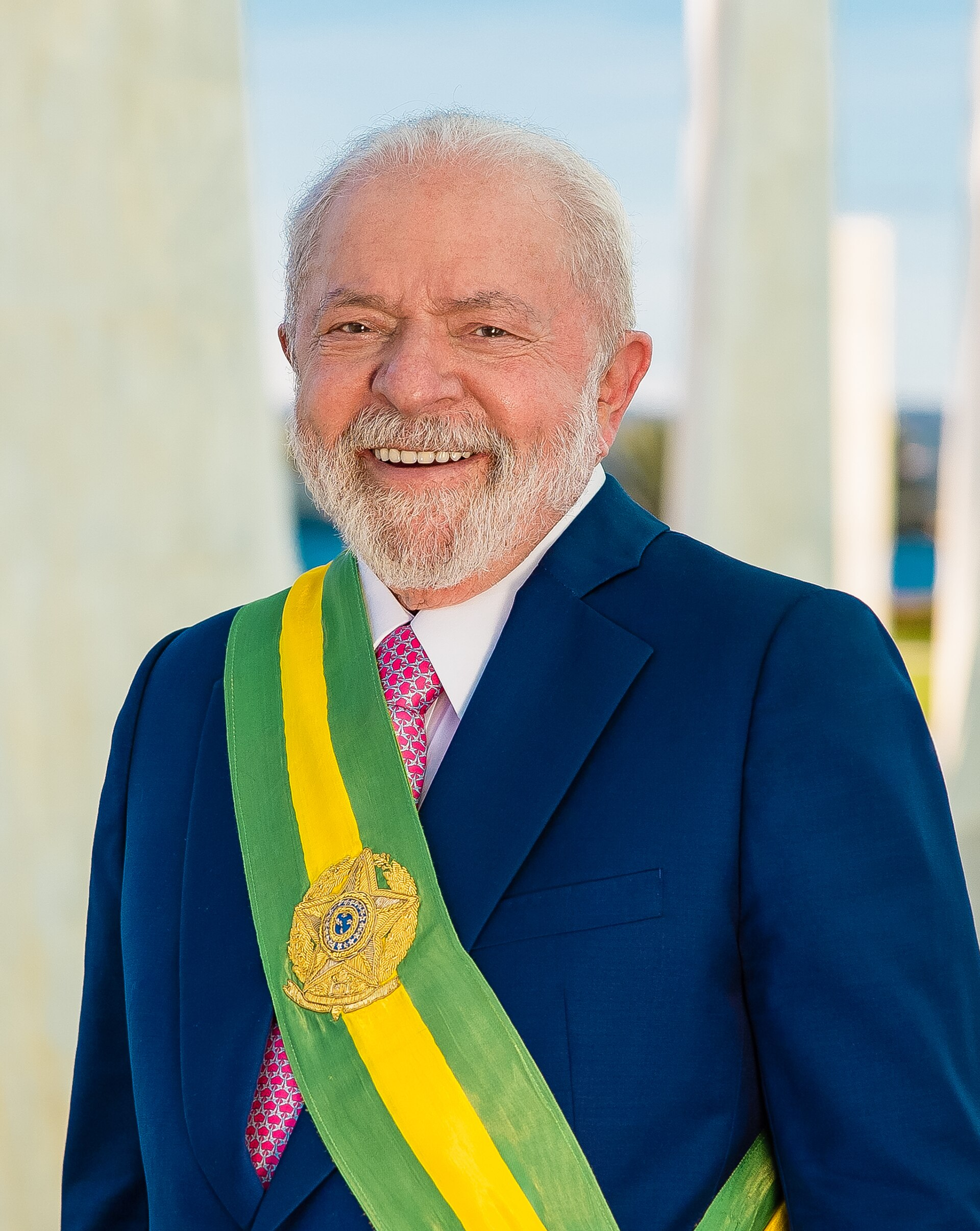
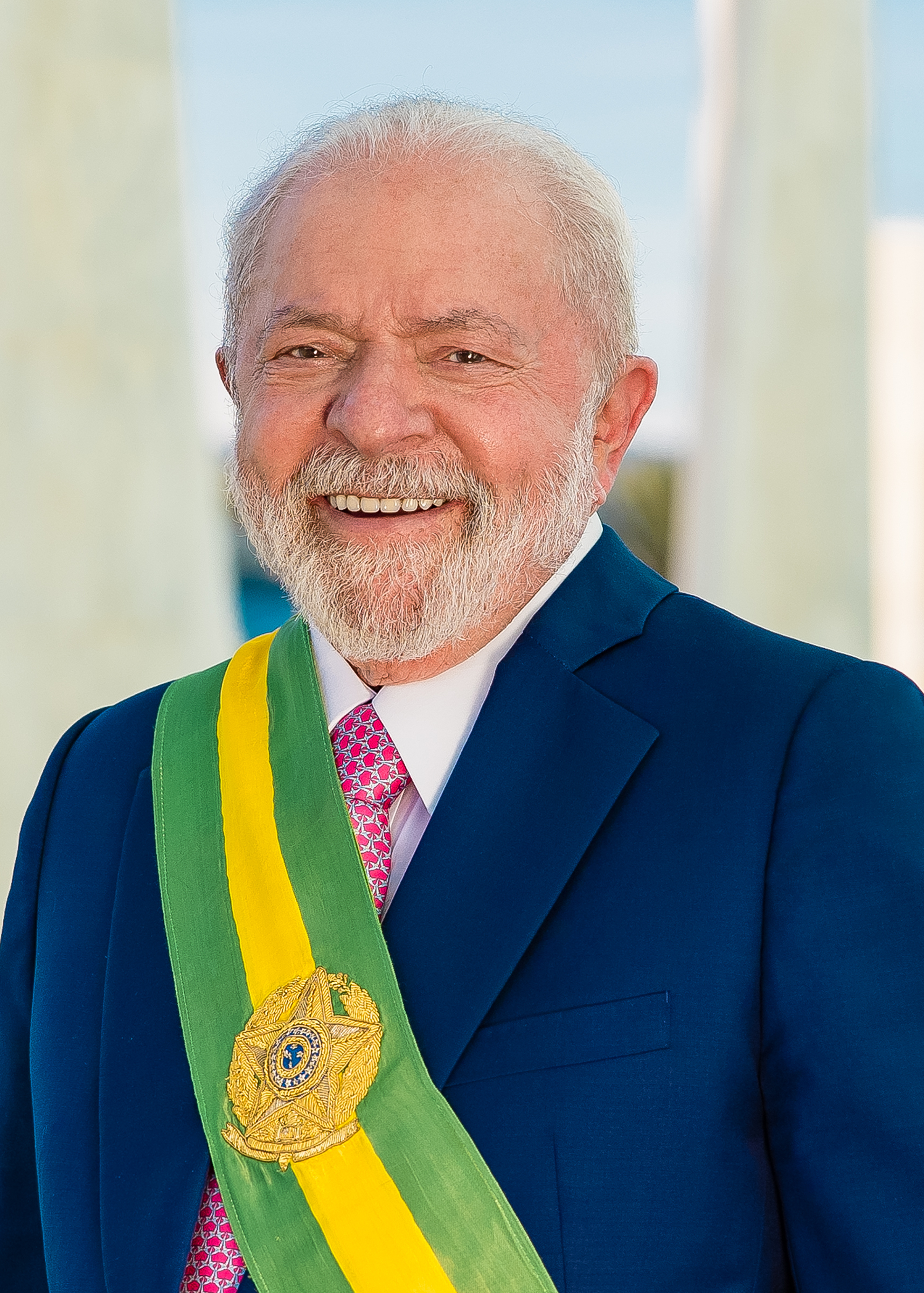
Left-wing leader Luiz Inácio Lula da Silva won a fourth presidential term on Sunday, defeating Senator Flávio Bolsonaro with 51.79% of valid votes to Bolsonaro’s 48.21%, a margin of approximately 4.4 million votes.
Lula is the first candidate since Brazil’s return to democracy to win a presidential runoff after losing the first round. Flávio Bolsonaro is the son of former President Jair Bolsonaro, who was convicted of plotting a coup after losing the 2022 election to Lula and sentenced to 27 years in prison. Jair Bolsonaro is serving his sentence under house arrest. The younger Bolsonaro refused to concede and called for the result to be annulled.
A first-round loss reversed
Bolsonaro won the first round on 4 October with 47.03% against Lula’s 45.16%, a lead of approximately 2.2 million votes. Turnout rose from 78.92% in the first round to 80.8% in the runoff, and abstention fell from approximately 21% to approximately 19%. Approximately 33.4 million Brazilians abstained in the first round. Sunday saw the largest drop in abstention between rounds since 1989. Gustavo Ribeiro, editor-in-chief of The Brazilian Report, said Lula’s campaign initially acted as if the election “was in the bag” and ran an “anachronistic, mostly offline campaign.” Ribeiro said Bolsonaro “does not have his father’s charisma” and “was essentially running on his father’s last name.” Academic Vieira said Bolsonaro became overconfident after winning the first round, behaving as if already president-elect and appointing ministers. Vieira said Brazilian people don’t like arrogance and Flávio is paying a high price. Al Jazeera reported that young Brazilians spontaneously organised online after the first round, creating “Lula’s army.” NPR reported one rallying message was that a Bolsonaro return would be an existential threat to Brazilian democracy. Fernando Brancoli suggested some first-round Bolsonaro voters may have switched to Lula.
Bolsonaro demands annulment
Bolsonaro called the result “inexplicable” and “impossible” and said it should be annulled. Experts say his chances of having the result annulled are remote. Fernando Neisser of the Institute of Lawyers of São Paulo said annulment would be “difficult from a legal standpoint” given the relatively large margin. Alberto Rollo said presidential election dates are fixed by the constitution, complicating annulment. Bolsonaro’s own campaign had also requested a voting extension, weakening his legal argument. Both campaigns requested extensions for different reasons: Lula’s cited voter transport disruptions in São Paulo and Bahia, while Bolsonaro’s cited heavy rain in southern areas and São Paulo. Supreme Court justice Cristiano Zanin, appointed by Lula, ordered a two-hour extension minutes after the 5pm closing time. Most electronic voting machines had already been closed and could not be reopened. A Folha de S.Paulo analysis found only 34,330 votes, or 0.03% of the total, were cast after 5pm. Pedro Burgos, who carried out the analysis, believes most of those were from voters already queuing when voting ended. Supreme Court President Kassio Nunes Marques, appointed by the older Bolsonaro, confirmed the extension did not cause issues for the count.
Markets plunge
The iShares MSCI Brazil ETF was 25% lower at 10:30 a.m. ET. Trading on Brazil’s stock exchange was halted by an automatic circuit breaker. The Brazilian real dropped 10.5% against the U.S. dollar to its lowest level since December 2025. Petrobras was down 16%, Itaú Unibanco fell 20%, Ambev shed 10.3%, Vale fell 1.2%, and Embraer was 5% lower. The Brazilian Treasury canceled auctions of inflation-linked and fixed-rate bonds scheduled for Oct. 27 and Oct. 29. Citi analysts said investors were concerned about “fiscal policy, state-owned enterprises, and the broader reform agenda.” Chris Turner of ING said Brazil’s 7-8% budget deficit and 70% net debt-to-GDP ratio leave the country vulnerable in a global bond sell-off. Goldman Sachs expects “modest measures” to contain spending growth and further increases in an already high tax burden, with major structural reforms unlikely. Lula has pledged to extend Bolsa Família and reduce the working week without pay cuts. He highlighted a track record of falling poverty and inequality during his campaign.
Bucking the regional tide
Seven conservative presidents have been elected in Latin America in the past 18 months, and Lula’s victory bucks a wider trend of right-wing candidates gaining power. Ursula von der Leyen said “democracy and multilateralism” had won. Macron said the two nations should work “in service of a more just world.” Sánchez called it a “great victory” and said “the comeback of global progressivism has just begun.” Ramaphosa called it a victory for the “global south and progressive forces throughout the world.” Zelenskyy thanked Brazil for its “unwavering support for Ukraine’s sovereignty and territorial integrity.” Ed Miliband called it “a historic win for the global progressive movement.” Peskov said Lula’s re-election was “welcomed.” Noboa, Fujimori, and Orsi also congratulated Lula. Trump had backed Bolsonaro and called his first-round lead “a very, very big victory,” but has not publicly reacted to or congratulated Lula. Flávio Bolsonaro met Trump at the White House earlier this year to bid for his support. Lula used his victory speech to push back against Trump’s “Donroe Doctrine,” insisting Brazil “will not accept being anyone’s backyard.”
Governing headwinds
Lula faces a conservative-dominated Congress that could restrict his legislative agenda. Bolsonaro’s Liberal Party and allies could control more than 280 of 513 lower house seats and up to 50 of 81 Senate seats. Brazil’s public debt has exceeded 82% of GDP per the World Bank, and the government forecasts growth of just 2.3% next year. Lula’s new term is set to begin on 5 January and will last until 2030. Lula turns 81 on Tuesday. He previously served as president from January 2003 to December 2010, and again from January 2023.
Lula told celebratory crowds the election is a “loss for negativity, lies” and said “long live democracy.” He said: “No one is required to like the president-elect, but he must govern for everyone.” At a victory parade in São Paulo, he told fans: “I just had to tell you that I love you. Tomorrow, the fight continues.” Vice-President Geraldo Alckmin told Lula: “You, for the second time, have saved Brazilian democracy.” Marina Silva said she feared Indigenous territories would be invaded under another Bolsonaro government but now is certain they will be preserved. Jair Bolsonaro was nicknamed “Captain Chainsaw” because of environmental devastation under his presidency. After beating Bolsonaro in 2022, Lula launched a crackdown to evict illegal miners from Indigenous lands and cut deforestation to its lowest levels since the late 80s.
Sources & methods
- BBC News Archived Oct 26, 2026
- The Guardian Archived Oct 26, 2026
- Al Jazeera Archived Oct 26, 2026
- NPR Archived Oct 26, 2026
- CNBC Archived Oct 26, 2026
This article synthesizes reporting from five news organizations covering the Brazilian presidential runoff election of October 2026, including vote tallies from Brazil’s Superior Electoral Court, market data from LSEG, and expert commentary from legal analysts, academics, and financial institutions.