Federal Reserve holds rates steady in its final decision before the US midterm elections
The central bank paused at 3.75–4% in a 10-2 vote as inflation sits well above target, with Chair Kevin Warsh insisting politics played no part.
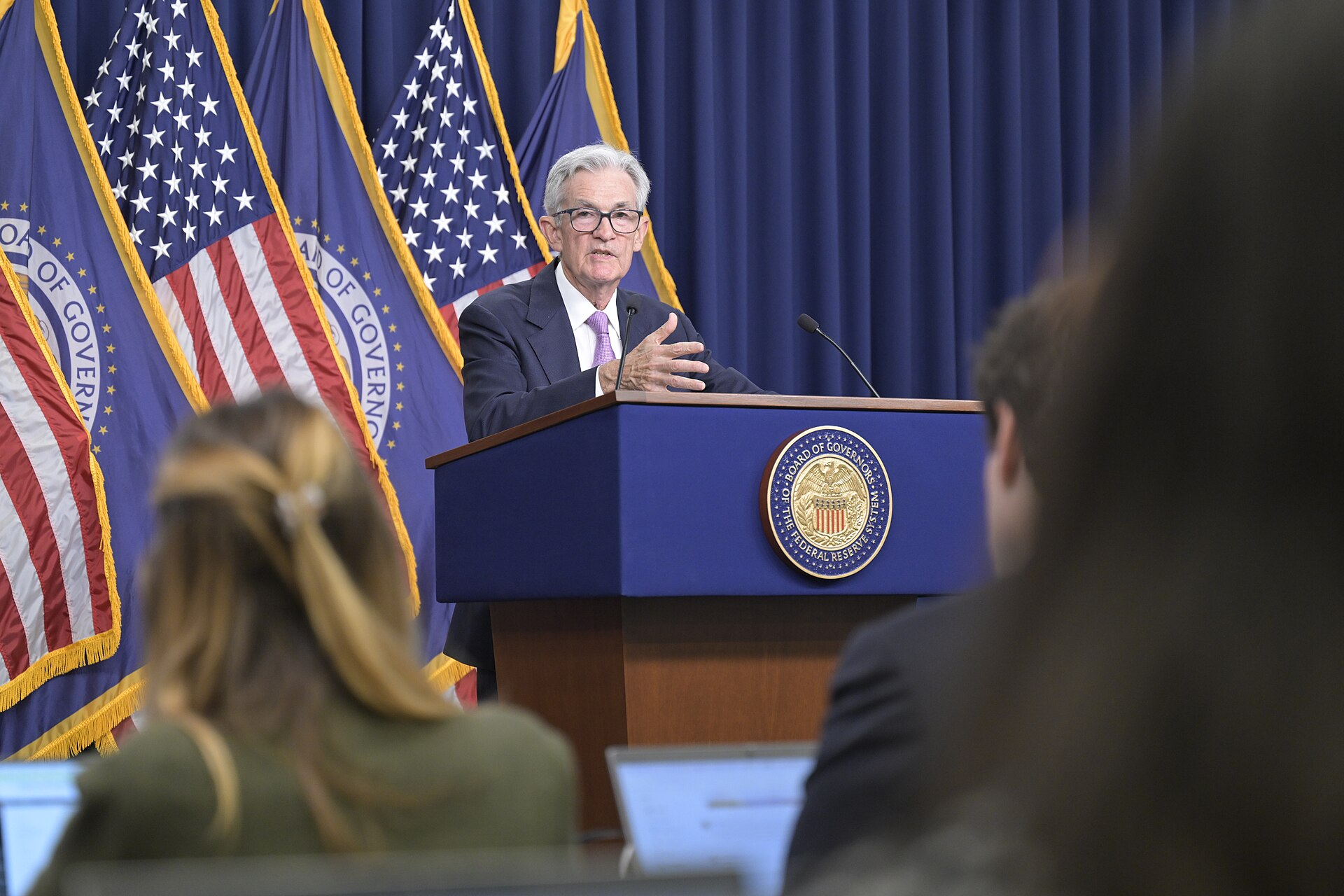
The Federal Reserve left interest rates unchanged at 3.75–4% in a 10-2 vote, its final decision before the US midterm elections. The pause came despite inflation running well above the central bank’s target, and it followed a quarter-point increase in September that had drawn sharp criticism from the White House.
Annual inflation rose from 3.4% in August to 3.7% in September, nearly double the Fed’s 2% target, according to the most recent Consumer Price Index report. The September reading marked a reversal after months of gradual cooling, and energy prices largely accounted for the monthly surge. The Fed had raised rates by 25 basis points in September, its first hike since July 2023, a move that drew criticism from President Donald Trump. Heading into this week’s decision, CME FedWatch indicated more than a 90% chance rates would remain unchanged, and the central bank held the line as expected. The Fed’s press release struck a broadly optimistic tone on the real economy, stating that economic activity is expanding at a strong pace, domestic spending has been resilient, productivity growth is strong, job gains have kept pace with the workforce, and the unemployment rate has changed little.
Warsh insists politics played no role
Fed Chair Kevin Warsh told reporters that politics played no role in the decision and that he did not hear an utterance about politics during deliberations. He called the meeting “a heck of a family fight” but declined to comment on Trump’s remark that the Fed board is full of Democratic-appointed members who would like to see the country do badly. Nicholas Economides, a professor of economics at NYU Stern, said the proximity of the election made it more likely the Fed would not take radical action, noting that even a dramatic shift would leave the economy no time to adjust before voters go to the polls.
Donald Trump had criticized the September rate hike, writing on Truth Social that interest rates should be 1% or less. The president has repeatedly pressed the Fed to cut borrowing costs since taking office.
War-driven inflation complicates the calculus
Rising energy costs tied to the war with Iran are contributing to elevated inflation, and the supply-shock nature of the price pressure has complicated the Fed’s demand-management toolkit. Oil prices soared with the closure of the Strait of Hormuz, a crucial passageway for trade, and oil traded briefly above $117 a barrel earlier this week, its highest in more than six months. Economides said hiking rates cannot solely address inflation caused by supply shocks and can be counterproductive, arguing that raising rates when the problem is supply-driven risks slowing the economy at a time when that is the opposite of what is needed. The Fed’s press release acknowledged that uncertainty remains elevated, owing in part to geopolitical developments.
Mark Zandi of Moody’s Analytics said the war has cost the average American household about $2,000 so far, mostly due to higher energy costs plus heightened interest rate costs. He drew a sharp contrast between consumers at different income levels. “High-net-worth consumers are enjoying the runup in AI stocks and the value of their equity holdings, and are spending with some gusto,” Zandi said. “Lower- and middle-income consumers are increasingly struggling with falling real wages and high rates, and are much more cautious and careful spenders.” Fed supervisor chair Michelle Bowman had advocated a wait-and-see approach at IMF-World Bank meetings in Bangkok, saying she felt no urgency for taking further action.
Borrowing costs keep climbing
Average credit card interest rates have risen for three straight months and are at their highest levels since December 2025, per LendingTree, with analysts warning that card issuers are still passing through the Fed’s September increase. Thirty-year fixed mortgage rates have remained above 7% for more than a month, per Mortgage News Daily, driven less by the Fed’s benchmark than by long-term Treasury yields and inflation expectations clouded by the Middle East conflict. New-car APR has flatlined at 7% all year, per Edmunds, while used-car rates hold above 10%. On the savings side, some top-yielding online accounts pay more than 4%, per Bankrate, offering a modest offset for households able to shop around.
December meeting looms
The Fed’s next monetary policy meeting is scheduled for December 8-9. Forecasts point to a further rate hike before the end of the year. Fed governor Christopher Waller said hikes do not need to come at consecutive meetings but should be in place in an acceptable period of time. The PCE Price Index report is due Thursday, giving policymakers one more inflation reading before their December deliberations.
Sources & methods
- Al Jazeera, October 28, 2026 Archived Oct 28, 2026
- CNBC, October 28, 2026 Archived Oct 28, 2026
- The Guardian, October 28, 2026 Archived Oct 28, 2026
Reporting drawn from three published accounts of the Federal Reserve’s October 28, 2026, rate decision, supplemented by the Fed’s press release, market-tracking tools, and analyst commentary cited therein.