Shell nearly doubles quarterly profit to $10.8 billion on record refining margins and announces $5 billion buyback
Iran war-driven refining margins of $42 per barrel powered Shell to its strongest quarter since 2022, with the oil major returning more cash to shareholders.
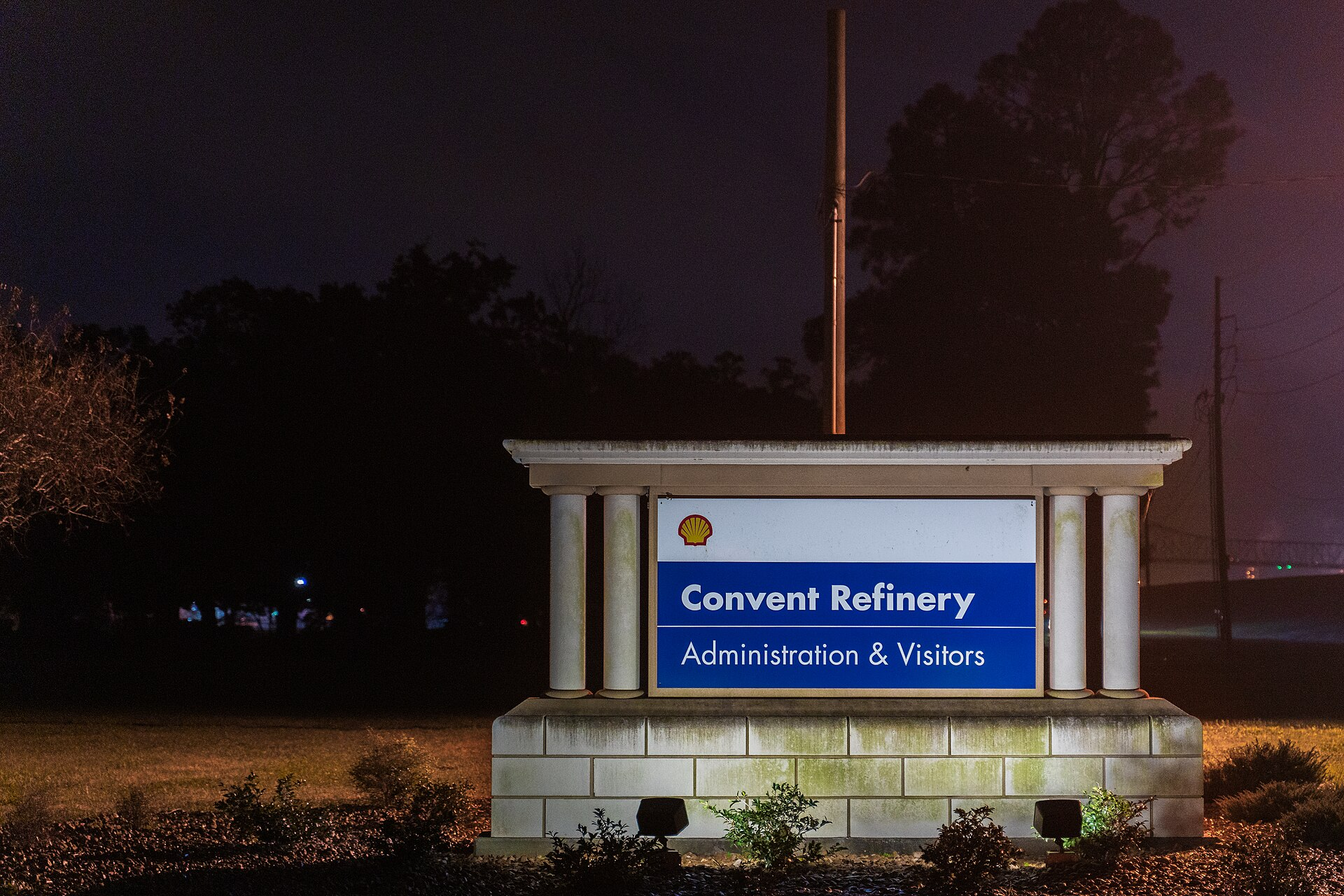
Shell nearly doubled quarterly profit to approximately $10.8 billion in July-September, up from $5.43 billion a year ago, and announced a $5 billion share buyback over the next three months, up from $3 billion in the previous quarter.
Indicative refining margins reached $42 per barrel, a record high. The result beat analyst consensus of $9.92 billion, according to an LSEG-compiled tally, and also topped the $10.33 billion figure cited by the Guardian. Shell’s London-listed shares rose approximately three percent in morning trade Thursday. It was the company’s strongest profit since the second quarter of 2022, in the wake of Russia’s full-scale invasion of Ukraine.
War-driven margins smash prior record
The previous record refining margin was approximately $28 per barrel, set in Q2 2022 during the early months of the Russia-Ukraine war. A global shortfall of refining capacity, exacerbated by strikes on Russian refineries, has driven up prices of gasoline, diesel, and jet fuel. Crude exports from Gulf countries have been curtailed by the U.S.-Israeli war with Iran and attacks on ships in the Strait of Hormuz. Brent Crude was around $114 a barrel on Thursday, up from around $65 a barrel a year ago. The G7 nations agreed earlier in October to release emergency diesel stocks as surging pump prices hit consumers.
Gas production hit, balance sheet strengthens
Shell’s prewar gas production of 900,000 barrels of oil equivalent per day fell by a third due to the Middle East war, which caused severe damage to one of its key gas processing facilities in the Gulf. Europe’s benchmark gas price averaged almost €64 per megawatt-hour in Q3, up from more than €48/MWh in Q2. Free cash flow was $16.3 billion, up from $10 billion year-on-year. Net debt came in at $39.7 billion, down from $41.75 billion in the prior quarter. Shell lowered its 2026 capital expenditure outlook to a range of $23 to $25 billion, from $24 billion to $26 billion.
Returns and market reaction
Shell’s share price hit a record high above £40 earlier in October. The company is now the largest on the FTSE 100 by market value. “Shell’s relentless focus on operational performance enabled very strong results in a quarter with continued severe disruption to the global energy system,” CEO Wael Sawan said.
Portfolio reshaping and peers
Shell completed a $16.4 billion acquisition of Canadian energy firm ARC to increase production. It recently offloaded its Indian wind and solar business and is reportedly looking to sell its UK-based chemicals joint venture with Exxon. Maurizio Carulli, equity research analyst at Quilter Cheviot Investment Management, said the net debt reduction was impressive given the ARC acquisition, and that he expected further small bolt-on acquisitions but not a major reshaping of the portfolio. France’s TotalEnergies more than doubled its adjusted net income to $9.1 billion in third-quarter results published Thursday, with CEO Patrick Pouyanne citing historically high refining margins in Europe and worldwide.
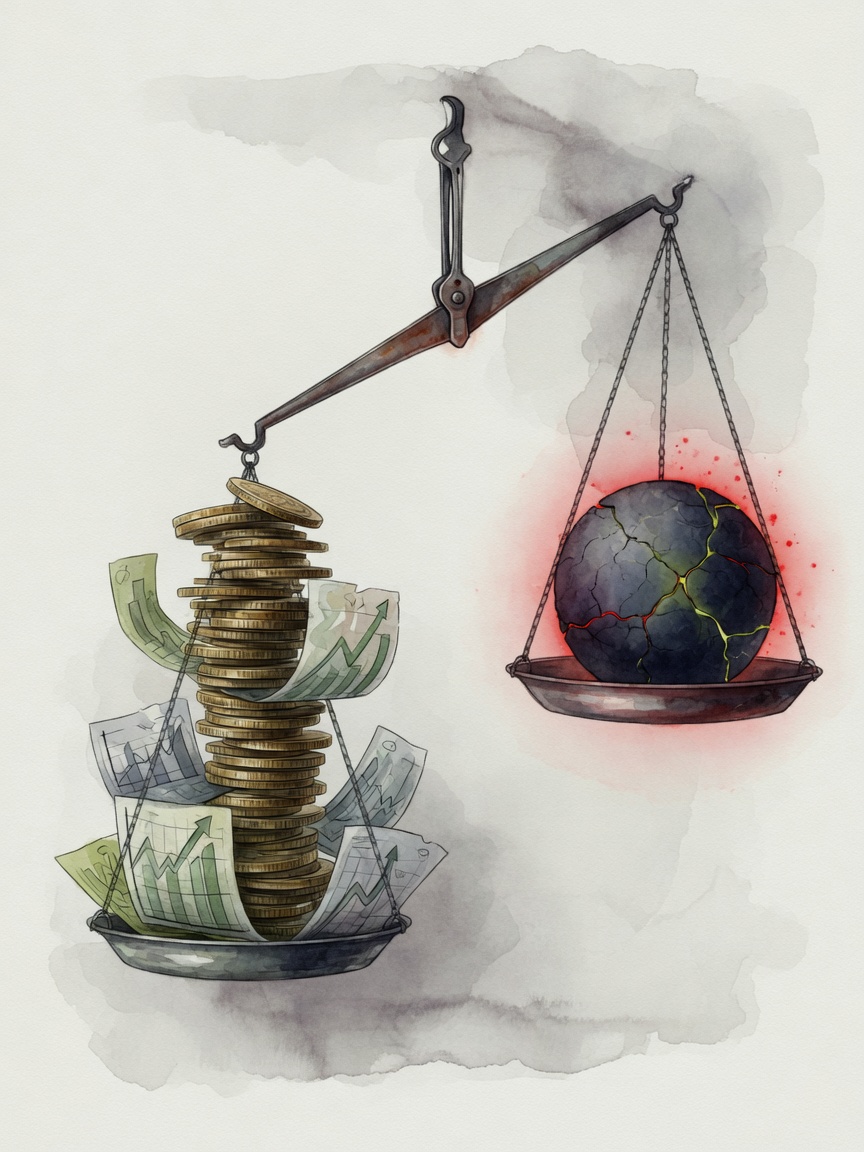
Climate campaigners criticised the jump in profits. “As fossil-fuelled storms, floods, and soaring costs wreck communities, oil executives like Shell’s Wael Sawan are popping champagne on the deck of a sinking planet,” said Philip Evans, a senior campaigner at Greenpeace. “We are paying with our lives and pay-cheques while they cash in on our misery.”
Sources & methods
Figures and quotes verified against two published sources; analyst consensus figures cited with attribution as they differ between sources.