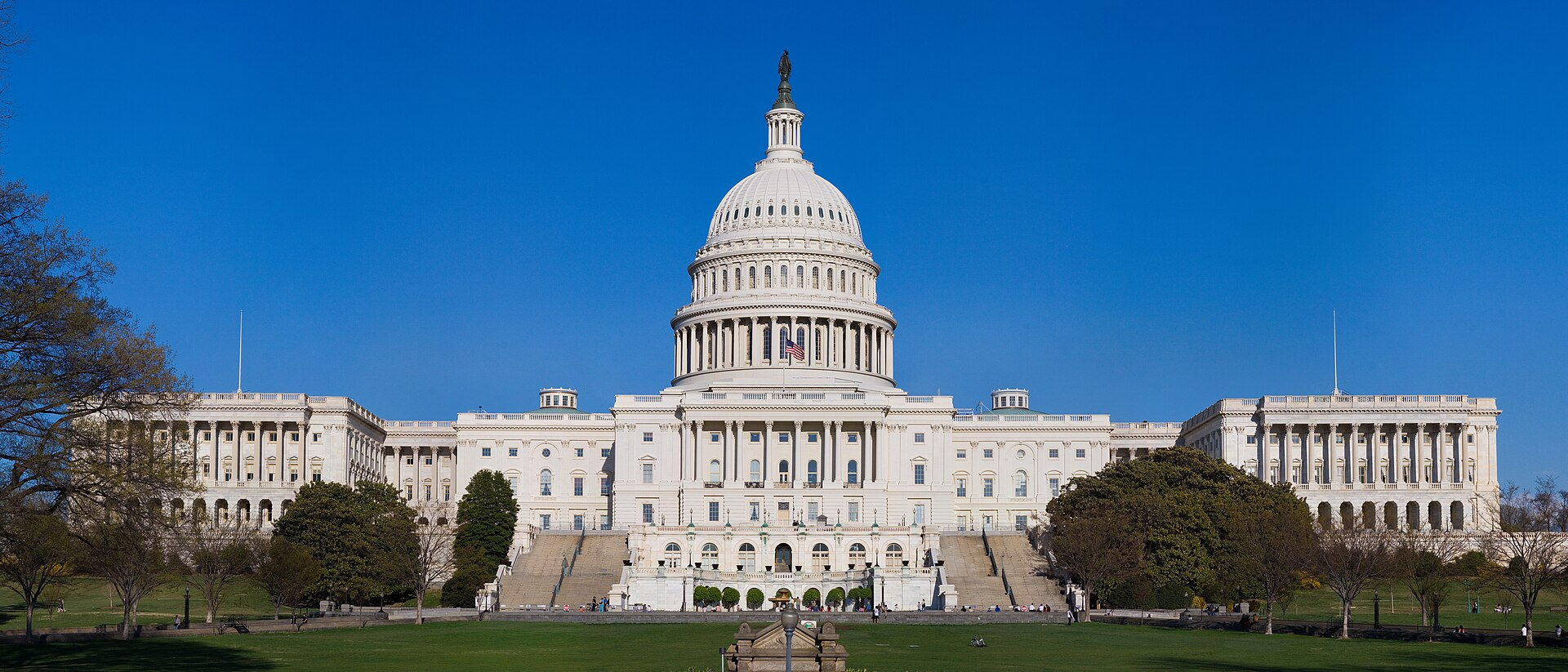
Americans vote in 2026 midterms with control of Congress at stake as polls favor Democrats to flip the House
The election is widely seen as a referendum on Trump’s second presidency, with turnout surging past 2022 levels and the Senate battle close enough that a single race in Alaska could determine which party controls it.
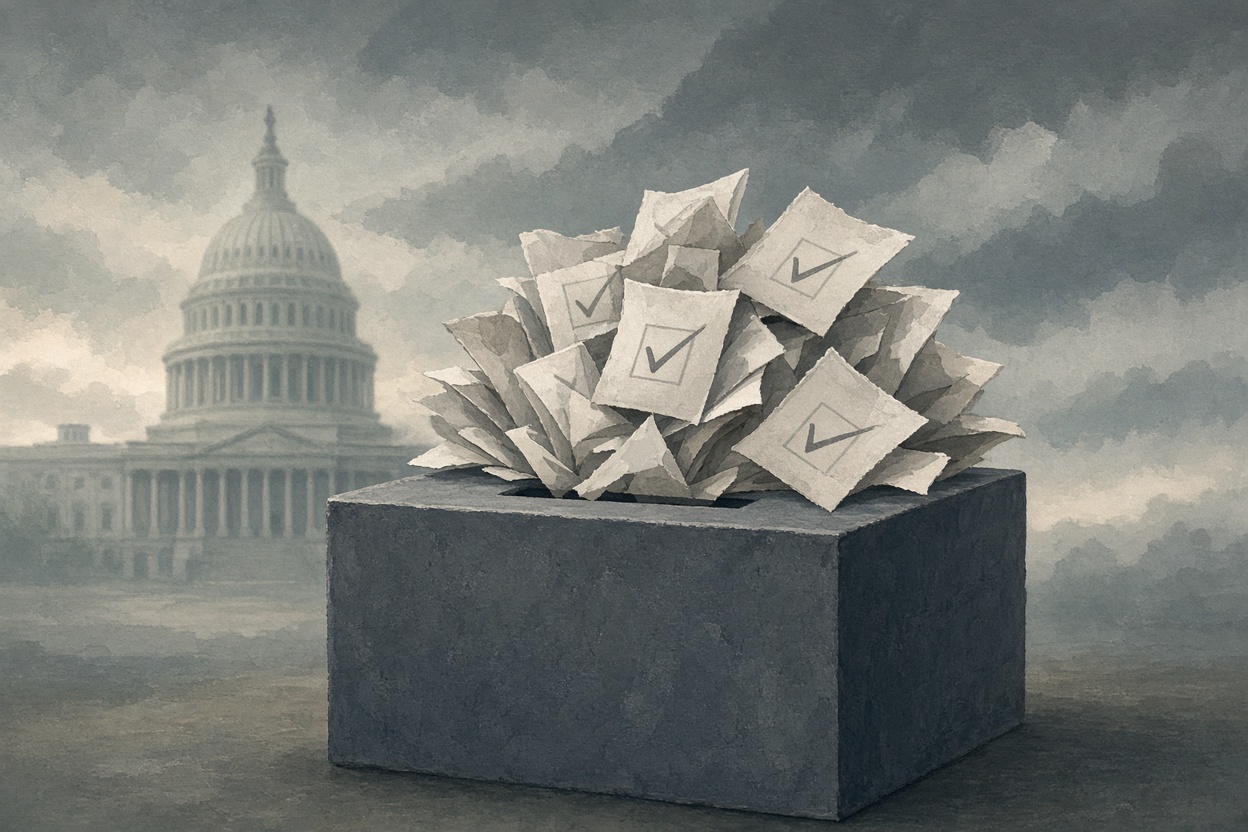
Americans head to the polls today in midterm elections with control of both the US Senate and House at stake, and both chambers currently held by Republicans. The election is widely seen as a referendum on Donald Trump’s second presidency.
Opinion polls place Democrats in a strong position to flip the Republican-held House, while the Senate battle is close enough that a single race in Alaska could determine which party controls it. A final set of polls from the New York Times and Siena University, published on Sunday, put Democratic candidates ahead in five of seven key battleground Senate contests, including Texas and Kansas — states that have not sent a Democrat to the Senate since 1988 and 1932, respectively. Republicans hold a larger majority in the Senate than in the House, making an upper-chamber flip a steeper climb. Stifel’s Washington Policy Strategy Group predicted Democrats will win the House while the Senate remains too close to call. Ballot counting could take days or weeks, particularly if Senate control comes down to Alaska, whose vast geography and slow tabulation procedures could leave the nation waiting.
Turnout surges past 2022 levels
Early ballots are significantly outstripping 2022 midterm totals, and election workers across the country expected that trend to continue into election day. Florida’s Division of Elections reported more than 1,860,000 votes cast on election day by the afternoon. Georgia’s secretary of state, Brad Raffensperger, said 775,000 votes had been cast, with an expected total turnout of 1.4m by the close of polling. Beyond Congress, there are elections for governor in 36 states, as well as for state legislatures and ballot initiatives.
Voters weigh personal stakes at the ballot box
In Anchorage’s Mountain View neighborhood, voters illustrated the tension between party loyalty and personal rights that defines this election. Rita Forbes, 80, one of the first women on the front lines of Vietnam, supports Republicans and voted a straight party line despite disagreeing with Pete Hegseth’s moves on women in frontline positions. Michael Comer, 40, voted for Mary Peltola. He is gay and his wife is trans, and he expressed concern about their rights. “I’m gay. If these mid-terms swing the wrong way then my wife, who is trans, will have even less rights and could be in danger,” he said. Tenesha Williams, 41, an African American Alaskan who works in a school for low-income kids with migrant backgrounds, voted Democratic. In Florida, Robin Pace brought her 10-year-old granddaughter, Lily Ferguson, to the polls in Coral Springs. Hetty Dubois, 20, a first-time voter from Tamarac, voted Democratic all the way down the ticket because of the economy and Trump’s immigration crackdown. In Minneapolis, voters have been leaving “I Voted” stickers at memorial sites for Renée Good and Alex Pretti, shot and killed by immigration officials in January.
Trump looms over the ballot
Trump’s approval ratings have fallen to record lows, between 33 and 37 percent. He waged war on Iran, which has stoked inflation by increasing global oil prices, and has imposed tariffs on foreign imports. Disclosures to the US Office of Government Ethics show Trump has made about $2.2bn since returning to the White House, including royalties from his name-branded memecoin. A Harris poll for the Guardian found that 76 percent of respondents think elected officials care more about enriching themselves than improving the economy. Trump has campaigned aggressively for Republican candidates, staging rallies across the country, though his final public campaign appearance on Monday focused mostly on his renovation of Washington’s reflecting pool.
Legal fights shadow the vote
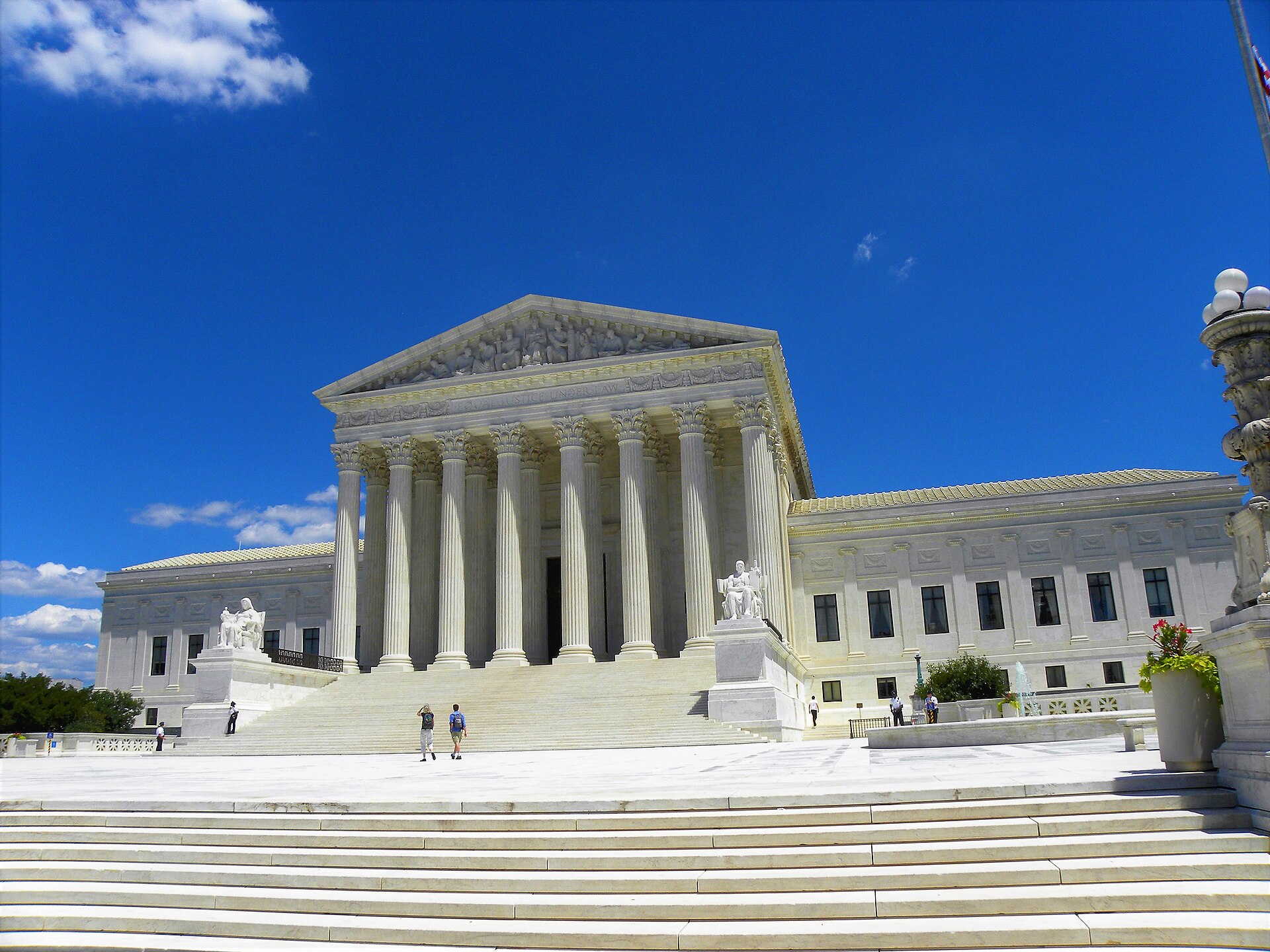
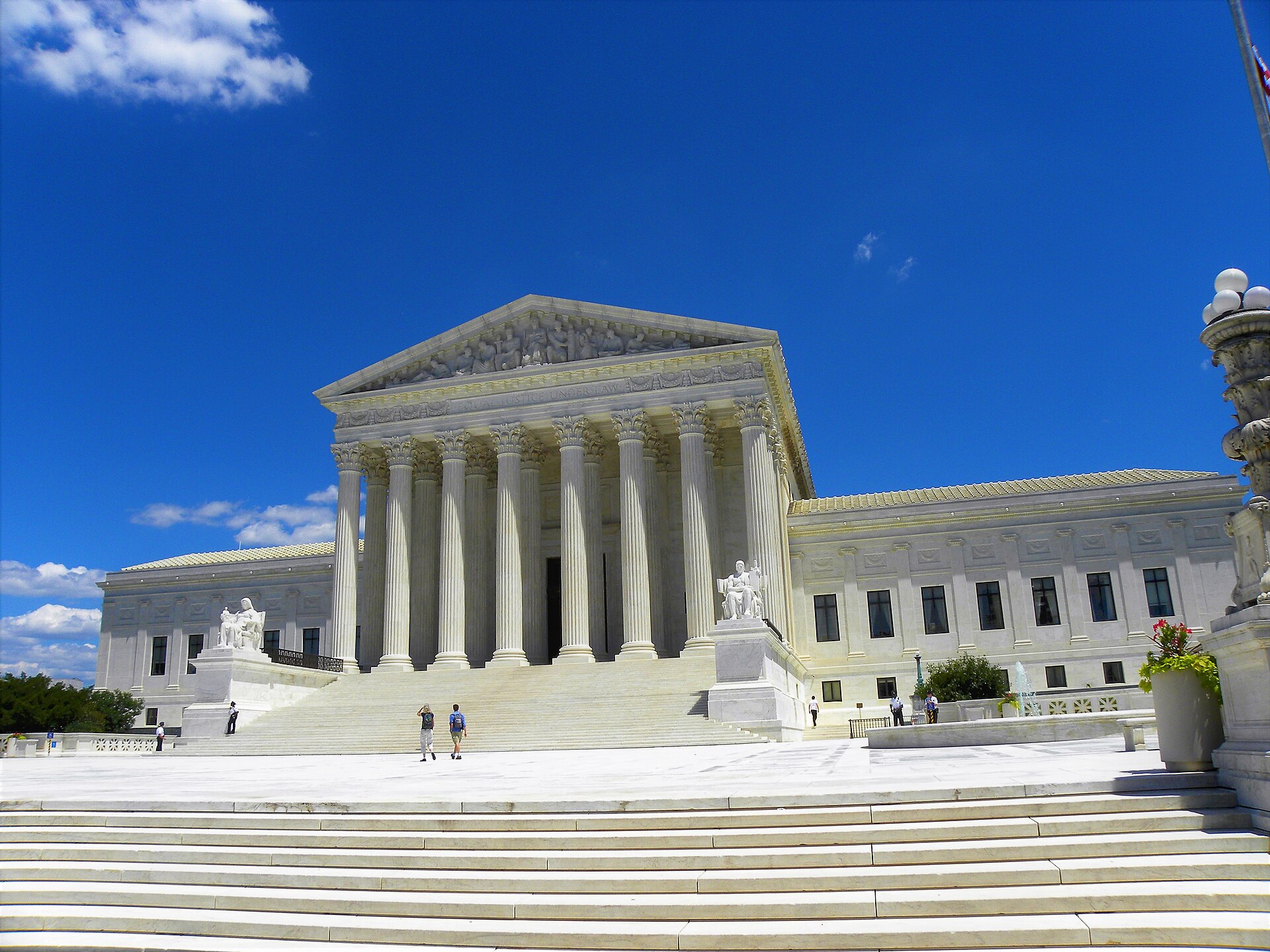
The US Justice Department sent approximately 1,000 election monitors and observers across the country, described as the largest monitoring effort in DoJ history. The Trump administration and California remain in a legal standoff over the DoJ’s claim that 20,000 non-citizens are on the state’s voter rolls; the Supreme Court struck down the administration’s demands to set aside California’s 20,000 contested ballots on Monday, but the 9th Circuit later cleared the administration to threaten state election workers with criminal charges. The DoJ filed a lawsuit to block certification of Alaska’s Senate results in the event of a Republican defeat, citing voter confusion over two Dan Sullivans on the ballot; the lawsuit was dismissed but the administration is expected to appeal. The Peltola campaign was reported to be behind an effort to recruit a challenger with almost the same name as Dan Sullivan, though Peltola has denied knowledge. In Michigan, Democratic congresswoman Haley Stevens endorsed Republican Mike Rogers in the Senate race after losing her party’s primary to Abdul El-Sayed, prompting Chuck Schumer to call it a despicable betrayal.
What a Democratic Congress would mean
If Democrats win one or both chambers, Trump’s legislative agenda would be severely limited and government could become gridlocked. Single-party budget reconciliation bills would become impossible, requiring bipartisanship for must-pass bills including government funding, defense spending, and the debt ceiling hike. Whichever party gains Senate control is highly unlikely to have 60 seats to overcome the filibuster. Analysts expect Trump’s use of executive orders will increase due to congressional gridlock. Democrats are expected to use any congressional majority to launch investigations into the White House and businesses that worked with the Trump administration. Trump would retain veto power over legislation regardless of which party controls Congress. The party holding the White House typically loses congressional seats at midterms, and no party has won both the Senate and House in a midterm since 2006.
Scattered disruptions at polling sites
Voting in one Kansas county was reportedly disrupted temporarily by a shortage of ballots. Flooding in south Florida forced the relocation of a handful of polling sites. Problems were reported with some voting machines in a suburban New York City county, where Republican congressman Mike Lawler said all ballots cast should ultimately be counted.
Sources & methods
- The Guardian, live election-day coverage, November 3, 2026 Archived Nov 3, 2026
- The Guardian, midterm elections overview, November 3, 2026 Archived Nov 3, 2026
- CNBC, analysis of midterm elections' implications for Trump's final two years, November 3, 2026 Archived Nov 3, 2026
Reporting drawn from three published sources covering election-day turnout, voter interviews, polling data, legal disputes, and policy analysis. All facts verified against the corroborated ledger; single-source facts attributed accordingly. Every flagged item is supported by the provided source texts: Source 2 states Trump ‘launched’ the Iran war ‘in February in tandem with Israel’ and that it ‘has stoked inflation by increasing global oil prices’; Source 2 describes Trump’s final appearance as focused on ‘his renovation of Washington’s reflecting pool’; and all other flagged facts appear verbatim or near-verbatim in Sources 1 and 2 as transcribed in the source-text section of the assignment.