Kagan and Soai win 2026 Nobel Prize in Chemistry for solving the mystery of life’s mirror-image molecules
The Royal Swedish Academy of Sciences honoured the two scientists for discovering nonlinear effects and autocatalysis in asymmetric synthesis, work that explains how nature’s preference for one molecular handedness can arise on its own.
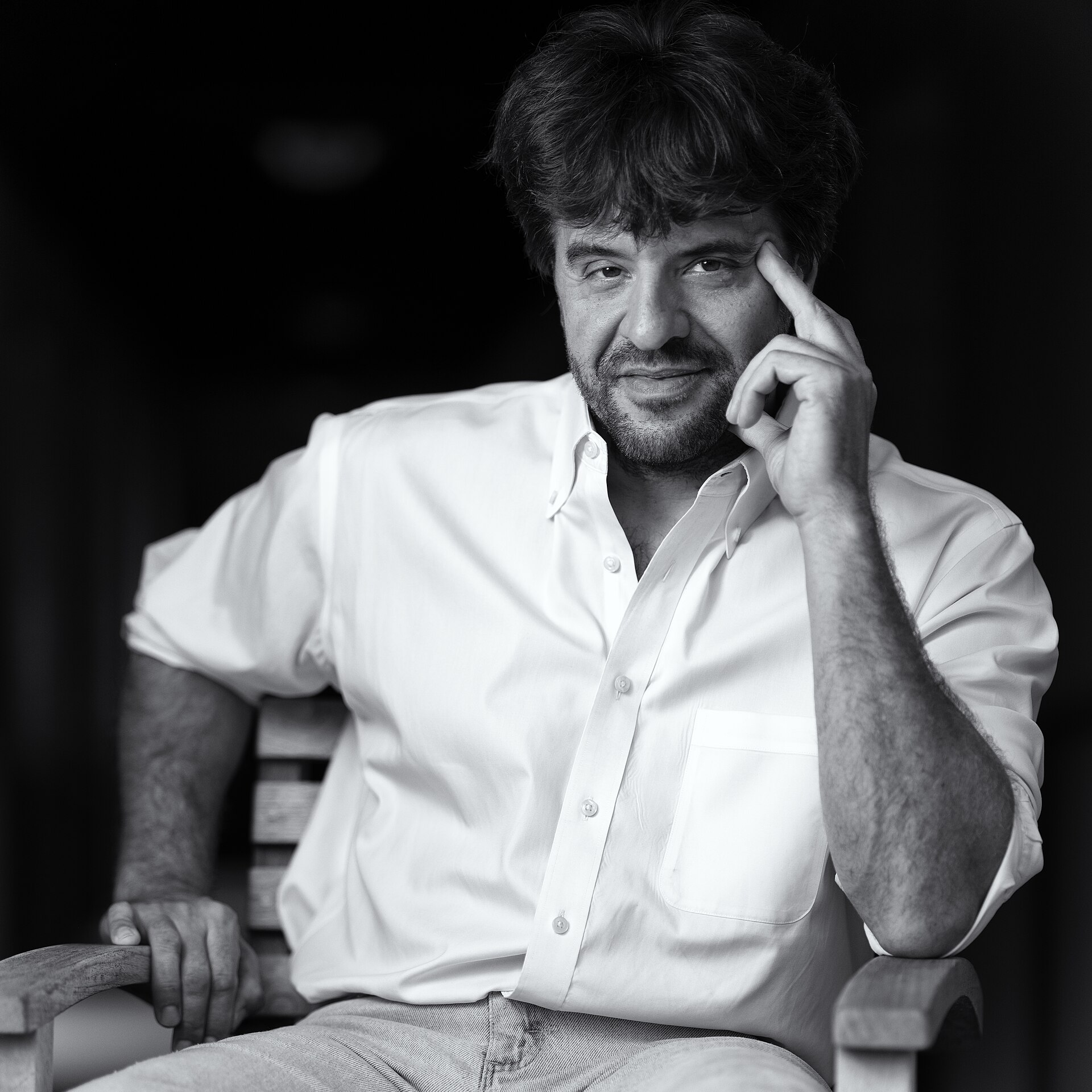
Henri B. Kagan and Kenso Soai won the 2026 Nobel Prize in Chemistry, the Royal Swedish Academy of Sciences announced Wednesday in Stockholm.
The pair were honoured “for the discovery of nonlinear effects and autocatalysis in asymmetric organic synthesis.” The prize carries an award of 12 million Swedish kronor (approximately $1.2 million), and each laureate will receive an equal share.
A century-old chemical mystery
Many molecules essential to life exist in two mirror-image forms, like left and right hands, a property known as chirality. Living organisms almost exclusively use only one version of chiral molecules, a phenomenon called homochirality. Chemical reactions in the lab, by contrast, typically produce a 50-50 mix of both forms. Heiner Linke, chair of the Nobel Committee for Chemistry, said the laureates provided a solution to a chemical mystery over a century old: how homochirality can emerge spontaneously. The Nobel Committee noted that apart from life itself, no one had previously achieved this feat.
Kagan, affiliated with Université Paris-Sud and based in Orsay, France, first discovered in 1986 that a small imbalance in catalyst forms could create a greater excess of one mirror image. Soai, affiliated with Tokyo University of Science, took the idea further. In 1995, he published a paper in the journal Nature describing the first chemical reaction with the potential to be homochiral. By 2003, he had demonstrated a reaction producing almost exclusively one mirror-image form. The experiment became known as the Soai reaction. Soai developed a process called autocatalysis, in which the molecules produced acted as catalysts for making more of themselves. “You have to be aware, this is probably the coolest experiment in organic chemistry ever,” said Peter Somfai, a member of the Nobel Committee for Chemistry.
Why mirror images matter in medicine
Different mirror-image versions of a drug can interact with the body differently, leading to different or weakened effects. Thalidomide is cited as a cautionary example; thousands of children were affected by birth defects after their mothers were prescribed the drug. “The left-handed version of the drug can have one effect, and the right-handed version can have another effect, and then we need methods for selectively preparing them,” Somfai said. “In developing such methods, the findings of this year’s laureates are important. They provided powerful tools for that.” Somfai added that the laureates’ insights have become embedded in catalyst development across different industries.
Soai spoke by phone at the Nobel Prize news conference. He described it as “one of the most exciting days of my life” and said he was glad to share the prize with Professor Henri Kagan. Soai also praised the “many, many excellent researchers” in the field.
Nobel week continues
The chemistry Nobel is the third prize of Nobel week, following medicine and physics. The literature prize will be announced Thursday, and the peace prize Friday. The Nobel Memorial Prize in Economic Sciences follows on Monday.
Sources & methods
- BBC News, reporting on the 2026 Nobel Prize in Chemistry announcement Archived Oct 7, 2026
- Al Jazeera, reporting on the 2026 Nobel Prize in Chemistry announcement Archived Oct 7, 2026
- NPR, reporting on the 2026 Nobel Prize in Chemistry announcement Archived Oct 7, 2026
- The Guardian, reporting on the 2026 Nobel Prize in Chemistry announcement Archived Oct 7, 2026
Reported from source texts published by BBC News, Al Jazeera, NPR, and The Guardian on October 7, 2026, covering the Royal Swedish Academy of Sciences announcement in Stockholm.