Kagan and Soai win the Nobel Prize in Chemistry for solving the mystery of life’s molecular asymmetry
The Royal Swedish Academy of Sciences honoured the two scientists for work on non-linear effects and autocatalysis in asymmetric organic synthesis, explaining how homochirality can arise spontaneously.

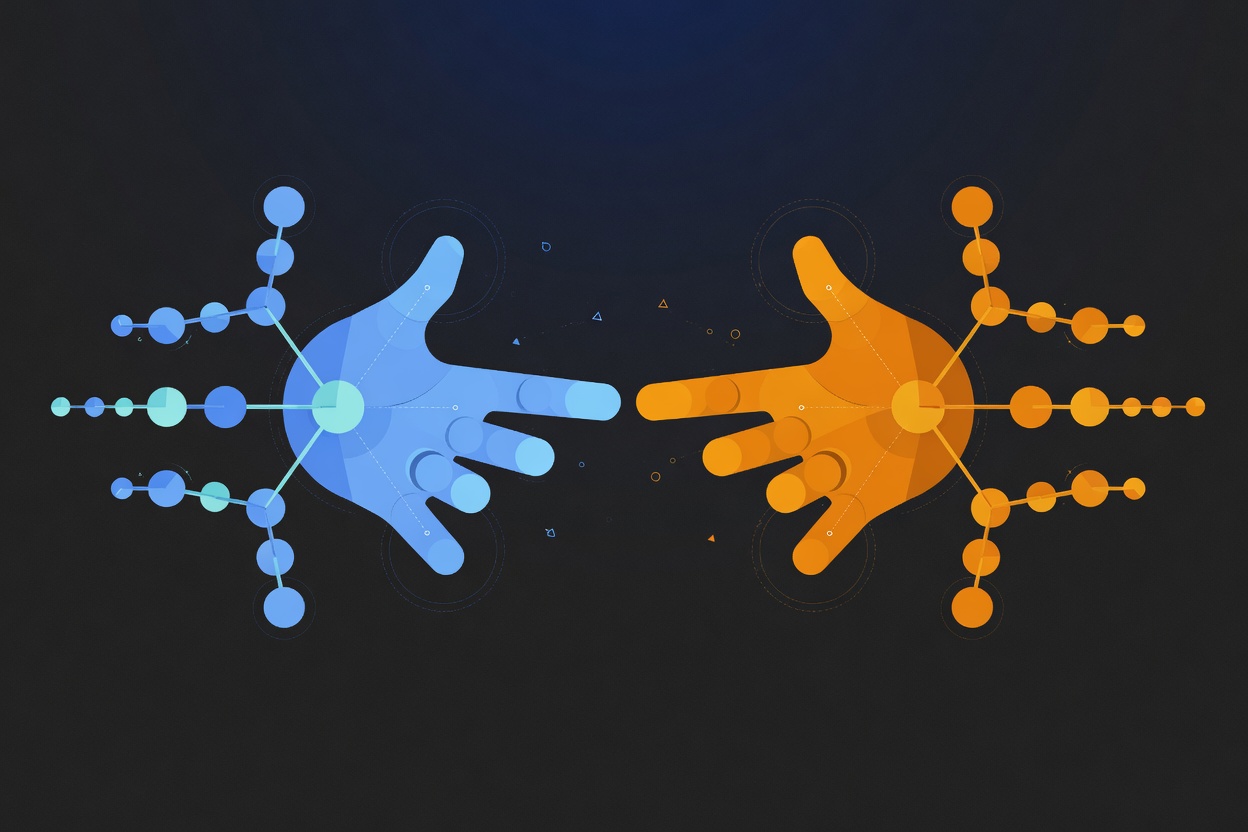
The Nobel Prize in Chemistry has been awarded to Henri B. Kagan and Kenso Soai. The prize recognizes work solving the chemical mystery of life’s asymmetry — why life favours one mirror-image molecule over the other.
The Royal Swedish Academy of Sciences announced the winner in Stockholm. The announcement was made on a Wednesday, as part of the annual sequence of Nobel announcements. The prize is specifically for the discovery of non-linear effects and autocatalysis in asymmetric organic synthesis, a body of research that the Nobel Committee said resolves a question that has persisted for over a century.
A century-old mystery
The Nobel Committee explained that molecules used by all life, such as amino acids that are building blocks of proteins, are chiral, meaning they have two versions that are mirror images of one another. Life is highly selective. It only works with one version of these mirror-image molecules. The two scientists answered the question of why life favours one of these mirror-image molecules over the other. “Henri Kagan and Kenso Soai have provided a solution to a chemical mystery that is over a century old: how homochirality can emerge spontaneously,” said Heiner Linke, chair of the Nobel Committee for Chemistry.
The laureates
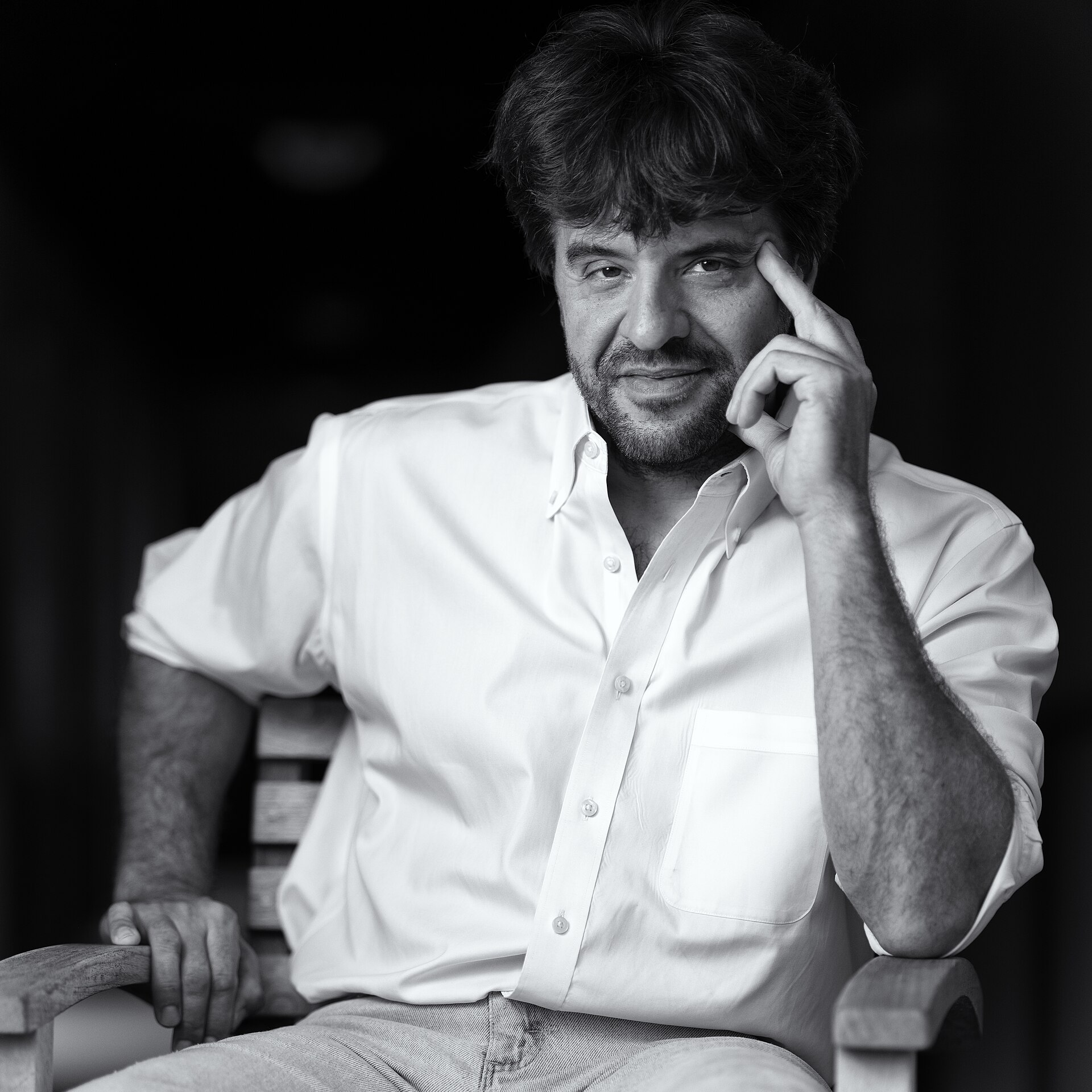
Kagan is French and is affiliated with Université Paris-Sud in Orsay, France. Soai is Japanese, 95 years old, and affiliated with the Tokyo University of Science. The “Soai reaction” is named for Soai’s experiment, a term that has become standard in the vocabulary of asymmetric synthesis research.
Impact on pharmaceuticals
The discoveries have been decisive for chemists who design reactions for the manufacture of pharmaceuticals, according to the committee’s citation. The news release described the work as both a resolution to a longstanding theoretical question and as a practical advance with direct consequences for the pharmaceutical industry. “The chemical reactions they have developed are spectacular,” Linke said.
Prize details and Nobel week
The prize money this year is 12 million Swedish kronor (about $1.2 million), whether for an individual, a small group of laureates, or an organization. This year’s Nobel in medicine was awarded Monday to three scientists whose work led to a tool that uses light to help unravel how the brain works. The Nobel in physics, awarded Tuesday, recognized a scientist’s efforts to demystify a rare group of neutrinos. Last year, three scientists won the chemistry Nobel for developing new molecular structures that can trap vast quantities of gas, laying the groundwork to potentially suck greenhouse gases out of the atmosphere or harvest moisture from desert environments. The literature prize is set for Thursday, the peace prize for Friday, and the economics prize for the following Monday.
Sources & methods
- BBC News, reporting on the Nobel Prize in Chemistry announcement and the committee's explanation of chirality. Archived Oct 7, 2026
- NPR, reporting from Stockholm on the laureates, the citation, prize details, and the broader Nobel week schedule. Archived Oct 7, 2026
Reporting based on two published news accounts of the Royal Swedish Academy of Sciences announcement, cross-checked against the fact ledger for corroboration of laureate identities, affiliations, and prize details.